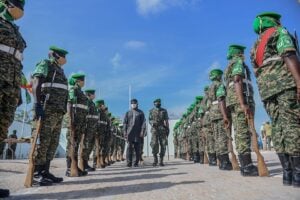
Armed conflicts across Africa involve national militaries, paramilitary forces, insurgent movements, and local armed groups. Their objectives vary, from struggles for political power and territorial control to separatist campaigns and extremist violence. Foreign involvement (such as the multi-national proxy dynamics in Sudan), weak governance, and disputes over land and resources also shape several of these conflicts. In Sudan, external support networks and competition over economic resources have contributed to the dynamics of the war. This overview examines key actors in selected conflict zones. These zones include Sudan, the Democratic Republic of the Congo, the Horn of Africa, the Sahel, and Mozambique.
Sudan: Rival Military Forces and Foreign Involvement
Sudan’s current war erupted in April 2023, when fighting broke out between the Sudanese Armed Forces (SAF) and the paramilitary Rapid Support Forces (RSF) amid a struggle over military integration and political power. The conflict has devastated communities and contributed to widespread displacement, food insecurity, and a deepening humanitarian crisis.
The SAF is Sudan’s regular military, while the RSF is a separate paramilitary force led by Mohamed Hamdan Dagalo, also known as Hemedti. Both forces have been accused of serious violations against civilians during the conflict.
Foreign Support Networks and International Accountability
Foreign involvement has also helped sustain the war. On September 3, 2026, the United Nations Independent International Fact-Finding Mission for the Sudan released a report titled Fuelling Sudan’s Conflict: Weapons, Fighters and External Support Networks. The investigation found reasonable grounds to believe that transnational networks involving private entities, intermediaries and recruiters operating from countries including the United Arab Emirates (UAE) and Colombia facilitated the provision of weapons, logistics, training and foreign personnel to the RSF. The report also identified transit routes through Chad, Libya and Somalia. Reuters and the Associated Press reported on the findings.
The UN investigation also found reasonable grounds to believe that the Sudanese Armed Forces (SAF) used foreign-supplied drones in operations that harmed civilians and civilian objects. However, the mission said its findings concerning external support to the SAF remained preliminary. The findings concerning external support to the two sides differ in scope and should not be interpreted as establishing identical levels or forms of foreign involvement.
The UAE has denied providing military support to either side in Sudan’s conflict and has rejected allegations that it supplied arms or military assistance to the RSF. The findings concerning networks linked to the UAE should be distinguished from a determination of direct state responsibility.
The fighting continues to cause severe humanitarian harm, including displacement, food insecurity and damage to essential civilian infrastructure. Understanding the roles of Sudan’s rival forces and the international networks sustaining the conflict is important to assessing prospects for peace and civilian protection.
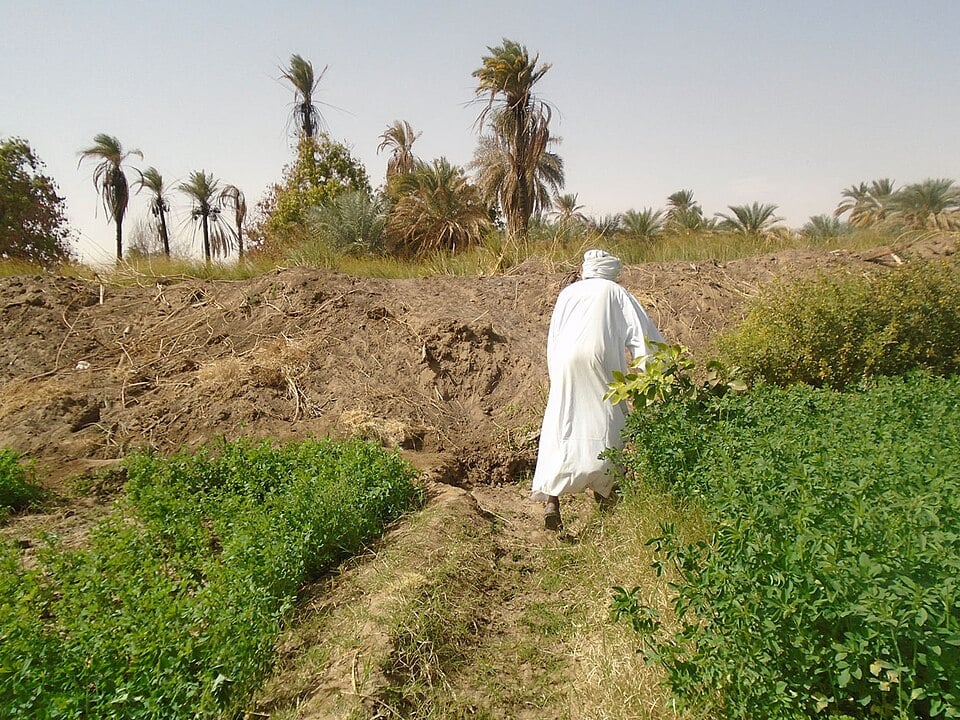
Eastern DRC: Armed Groups and Regional Rivalries
Eastern Democratic Republic of the Congo continues to face persistent armed conflict involving multiple armed groups, regional rivalries, and disputes over political power, land, and mineral resources. A significant development occurred in October 2026, when former Congolese president Joseph Kabila assumed leadership of a new political-military coalition formed by the Alliance Fleuve Congo (AFC) and the M23 armed group. The coalition adopted the name Front for the Refounding of the Nation (FRN), signaling an effort to broaden its political appeal beyond eastern Congo.
Analysts have also identified competition over land and mineral resources, disputes over identity and citizenship, weak state institutions, corruption, and interference by neighboring countries as factors contributing to insecurity in eastern DRC. The legacy of Rwanda’s 1994 genocide and subsequent regional conflicts continues to shape insecurity in eastern DRC, where armed groups and regional political rivalries remain major concerns. Armed groups operating in eastern DRC include M23, the Democratic Forces for the Liberation of Rwanda (FDLR), the Allied Democratic Forces (ADF), CODECO, and militias commonly known as Wazalendo. Their presence, activities, and territorial reach vary by location and over time.
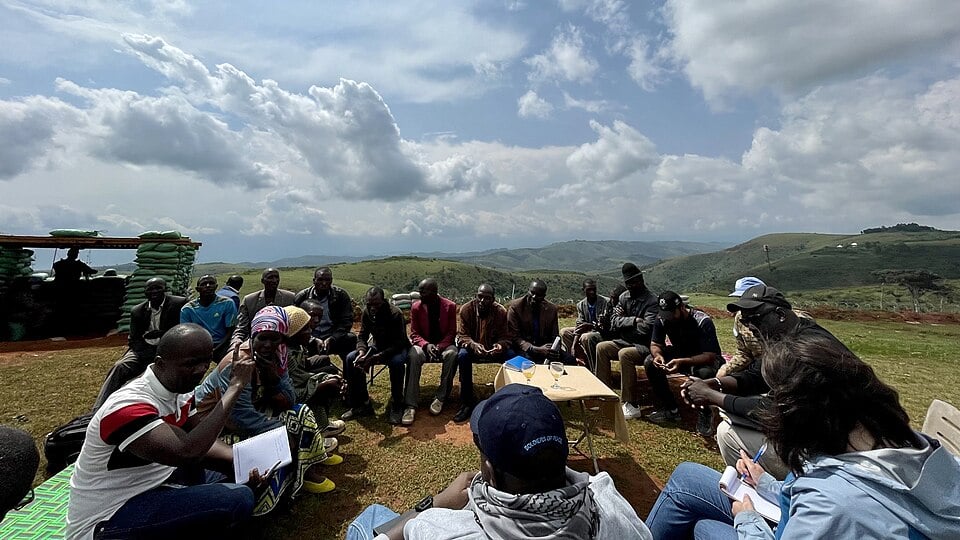
The country’s numerous armed groups operate with constantly shifting alliances and distinct ethnic or economic motivations. Therefore, it is important to distinguish their roles in the conflict.
Ethiopia and Tigray: Renewed Fighting and Regional Tensions
Renewed fighting in Ethiopia’s Tigray region has undermined the November 2022 peace agreement that ended the previous Tigray war. Clashes between federal forces and the Tigray People’s Liberation Front (TPLF) escalated in 2026. On October 16, Prime Minister Abiy Ahmed’s government announced a caretaker administration for Tigray amid renewed fighting and disputes over the region’s political leadership. The renewed fighting has also heightened tensions between Ethiopia and neighboring Eritrea. The Ethiopian National Defense Force (ENDF) is the country’s national military. Ethiopia’s government has identified access to the Red Sea as a strategic priority. This policy has contributed to regional tensions but is distinct from the military’s formal institutional role.
Ethiopia faces several distinct security challenges, including renewed fighting involving the TPLF in Tigray, insurgent activity by Amhara Fano groups, and the Oromo Liberation Army’s armed opposition in Oromia. Their objectives, areas of operation, and relationships with other actors differ.
Eritrea’s military played a major role in the previous Tigray war. Ethiopia has since accused Eritrea of supporting Tigrayan rebels, an allegation Eritrea denies.
Somalia: Al-Shabaab, Somaliland and Regional Disputes
Somalia continues to face an insurgency led by al-Shabaab, alongside a smaller Islamic State presence. Political disputes and security challenges also complicate efforts to stabilize the country.
The Federal Government of Somalia is internationally recognized. However, insecurity and limited control over some areas constrain its ability to exercise authority throughout the country.
Somalia’s federal government faces disputes over sovereignty and regional diplomacy. Separately, Ethiopia signed a memorandum of understanding with Somaliland in January 2024 concerning access to the coast and potential maritime arrangements. The agreement heightened tensions between Ethiopia and Somalia.
Somaliland declared independence from Somalia in 1991 and has operated as a de facto independent state, although Somalia continues to claim it as part of its territory. Israel formally recognized Somaliland as an independent state on December 26, 2025. Somalia rejected the move, and Somaliland’s broader international status remains disputed. The status and political objectives of these administrations differ. Therefore, they should not all be described as pursuing the same form of self-determination.
The Sahel: Jihadist Insurgencies and Military Governments
The military-led governments of Burkina Faso, Mali and Niger face persistent insurgencies involving Jama’at Nusrat al-Islam wal-Muslimin (JNIM) and Islamic State Sahel Province (ISSP). Boko Haram and Islamic State West Africa Province (ISWAP) are also major armed groups in the wider Lake Chad Basin. However, their principal areas of activity differ from those of the Central Sahel insurgencies.
JNIM and Islamic State affiliates seek to expand their influence and challenge state authority. Meanwhile, the military-led governments are pursuing counterinsurgency campaigns and efforts to maintain control.
The conflict has caused substantial civilian harm, including deaths, displacement, and attacks on communities. The scale and pattern of violence vary across countries and over time. Therefore, comparisons with other regions should be based on a clearly identified dataset and reporting period.
Mozambique: The Insurgency in Cabo Delgado
The insurgency in Mozambique’s Cabo Delgado province is commonly associated with Islamic State Mozambique (ISIS-M). Despite the shared name, the Mozambican group is distinct from al-Shabaab, the militant organization based in Somalia.
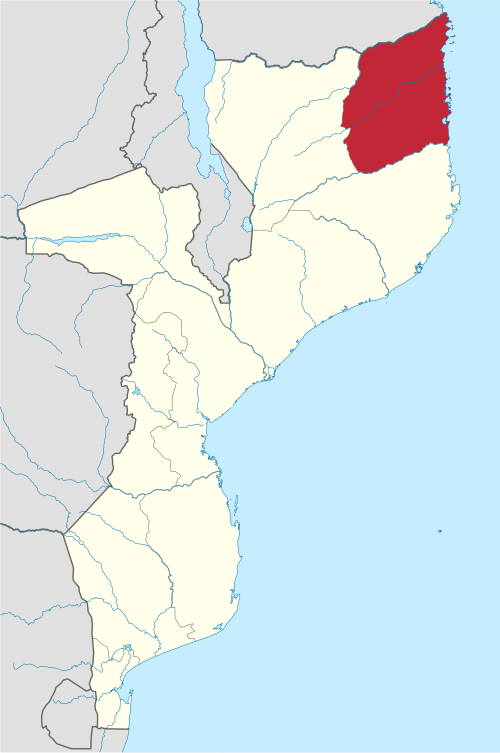
Its activities have included attacks on civilians and security forces, contributing to displacement and insecurity in Cabo Delgado. Mozambique’s armed forces and other security services are among the principal state actors fighting the insurgency. Mozambique has received security assistance from regional and international partners, including forces deployed through regional cooperation arrangements.
What Comes Next in Africa’s Conflicts?
The next installment in this series will provide a more detailed examination of the conflict in the Democratic Republic of the Congo. It will explore the armed groups involved, regional and international involvement, and the conflict’s impact on local communities.
These conflicts remain complex and continue to evolve. Understanding the armed groups involved, their relationships, and the experiences of affected communities is essential to following developments across the continent.
Sources:
Associated Press: UN report details foreign networks fueling war in Sudan
Reuters: Foreign support, drones fuel Sudan war and possible war crimes, UN probe says
Wilson Center | Conflict in Sudan: A Map of Regional and International Actors
Reuters — Landlocked Ethiopia signs pact to use Somaliland’s Red Sea port
Arab Reform Initiative | From Commodities to Conflict: Fueling Sudan’s War Economy
Reuters — Ethiopia’s Abiy names new Tigray government, wants polls in six months
Armed Conflict Location & Event Data Project (ACLED)
Sudan conflict: what’s behind the war?
Geographic Information Systems | Is the Third Congo War approaching?
Reuters — Israel becomes first country to formally recognise Somaliland as independent state
Amnesty International | Why is the Democratic Republic of Congo wracked by conflict?
Responsible Statecraft | High on wins in Tigray, Ethiopia now has Eritrea in its crosshairs
Israeli government announcement — Israel recognizes Somaliland as an independent state
Goobjoob | Federal Gov’t Formally Recognises SSC-Khatumo as 6th Federal Member State
Accord | Political transition and democratic challenges in central Sahel
Global Centre for the Responsibility to Protect — Democratic Republic of the Congo
ACLED — Islamic State Mozambique (ISM)
U.S. Department of State’s Country Report on Terrorism 2024: Mozambique
ACLED — Decade After Chibok: Assessing Nigeria’s Regional Response to Boko Haram
U.S. Department of State’s Country Reports on Terrorism 2024: Somalia
United Nations — Member States: Somalia
Encyclopaedia Britannica — Somaliland
Reuters — Will a new leader and a new name boost the rebellion in eastern Congo?
Editor’s Disclaimer: This article is intended for informational and educational purposes. Armed conflicts, political alliances and security conditions across Africa continue to evolve. Claims regarding armed groups, foreign involvement and territorial disputes are attributed to available reporting where applicable and may change as new information emerges. The inclusion of any group or government does not imply endorsement of its actions or objectives.
