NEW YORK CITY — The 2026 TCS New York City Marathon returns on November 1, celebrating the 50th anniversary of the five-borough course that transformed the race into one of New York City’s most cherished annual traditions. The milestone celebrates the 1976 expansion that first brought the marathon through all five boroughs, rather than the 50th running of the race. For five decades now, the New York City Marathon has attracted elite and amateur runners from all across the globe. Every year, the New York City Marathon transforms all five boroughs into a massive stage for community celebration. The marathon combines competitive distance running with neighborhood block parties, creating an exciting atmosphere.
Millions of spectators across New York City build a sense of community as they prepare to cheer on runners from all walks of life. This detailed article gives an in-depth outline of the upcoming 2026 competition. It discusses the difficult course design and significant historical events. Additionally, it includes relevant information for those who would like to watch the race, as well as the entire preparation process taking place on race day itself.
What to Know about the 2026 New York City Marathon
Scheduled for November 1, 2026, the TCS New York City Marathon is a 26.2-mile race with a route that encompasses all five of the city’s boroughs. Starting off in Staten Island and concluding in Manhattan’s Central Park, the New York City Marathon is quite an expansive route.
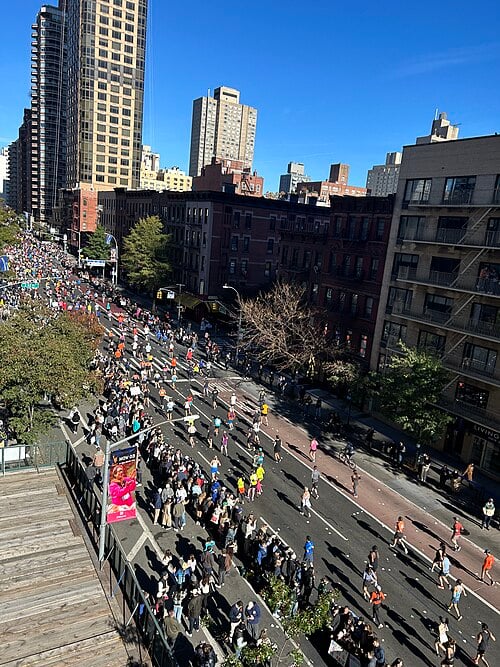
Recent editions of the New York City Marathon have attracted nearly 60,000 participants, demonstrating the event’s international appeal. This factor provides a vital economic and cultural boost to New York City. It unites diverse communities and global runners in a spectacular display of endurance and city pride. With 2026 marking the 50th anniversary of the five-borough course, this year’s marathon carries special historical significance for New York City.
Celebrating 50 Years of the Five-Borough Course
As the marathon marks 50 years of its five-borough course in 2026, its history shows how a race that began in Central Park grew into a citywide event. The inaugural race in 1970 was a smaller event that organizers held entirely within Manhattan’s Central Park. However, everything changed in 1976. At that time, organizers boldly expanded the route to span all five boroughs.
It was the expansion of the race that began five decades ago that ultimately helped propel its status to an internationally recognized sporting event. Each of New York City’s five boroughs contains various demographics and cultures. By physically and culturally connecting diverse neighborhoods across Staten Island, Brooklyn, Queens, the Bronx, and Manhattan, the New York City Marathon evolved into a unifying force.
Each year, enthusiastic spectators, dedicated volunteers, local businesses, and community organizations strengthen the marathon’s legacy through their continued support. The marathon’s 50th anniversary celebrates the important and significant position of the race in the history and culture of New York City. It demonstrates the spirit and strength of the city.
A Look at the Marathon’s Five-Borough Route
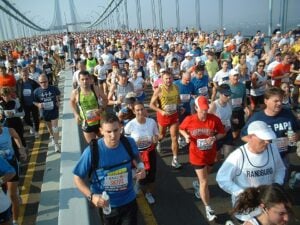
The TCS New York City Marathon begins in Staten Island near the Verrazzano-Narrows Bridge. This particular bridge crossing serves as a grand, high-energy starting point, offering runners breathtaking views and a challenging initial decline. With the completion of the bridge run, runners make their way into Brooklyn and through known neighborhoods such as Bay Ridge, Park Slope, and Williamsburg. Cheering spectators and live music energize runners throughout this section of the course. As a result, it creates an eventful ambiance for the runners.
Next, the runners will traverse the Pulaski Bridge, which serves as the point of their arrival in Queens, thus allowing them to complete half of their run. After this, they will go through the intricate street network of Long Island City before crossing Queensboro Bridge into Manhattan.
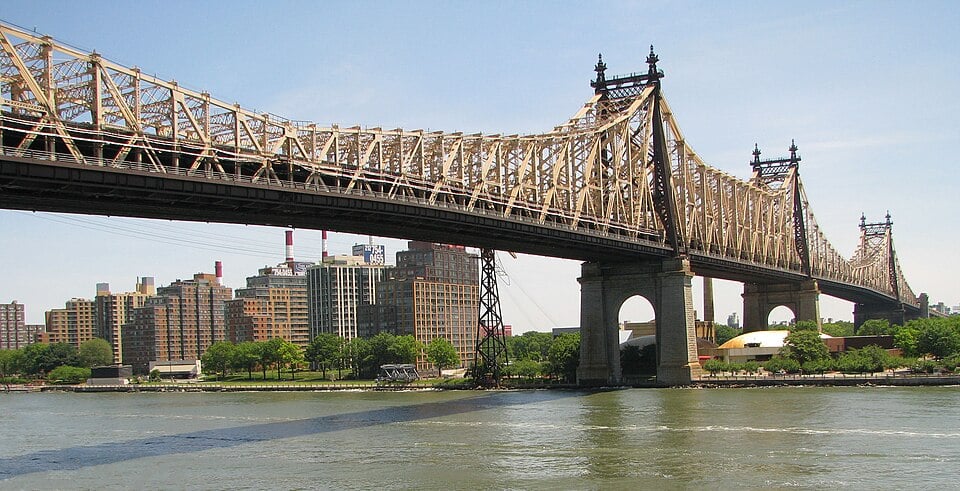
The path continues up First Avenue to the north. Then, it passes through The Bronx for a small part of the run. Although runners spend only a short time in this part of the race, local bands and enthusiastic fans line the route to cheer them on. These provide significant motivation for the runners during the last part of the race.
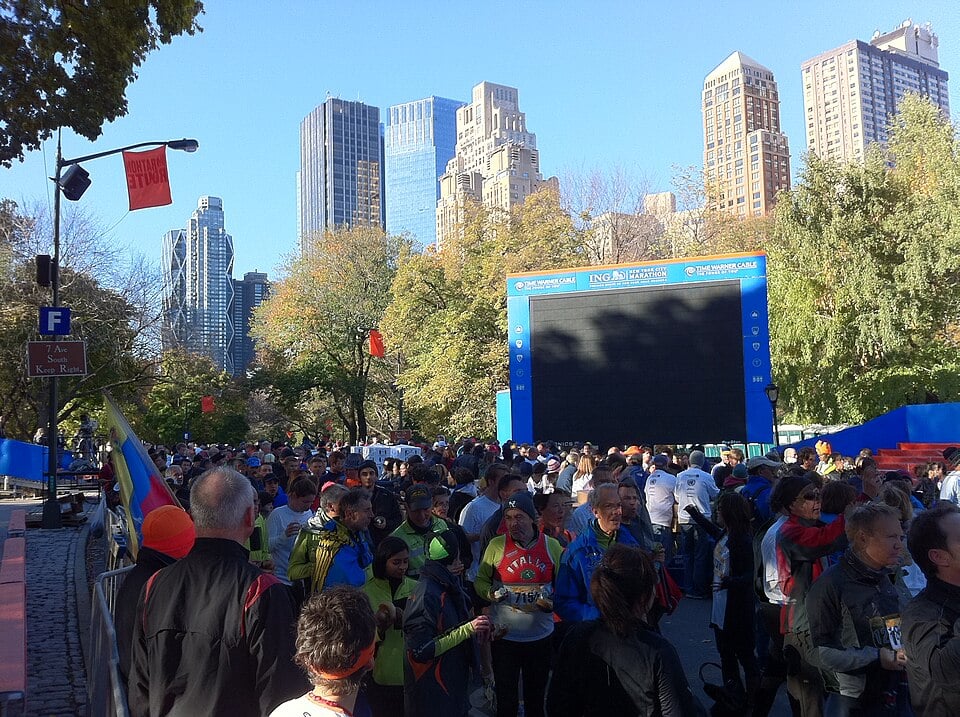
Re-entering Manhattan, the course features an intense approach up Fifth Avenue, testing runners’ endurance against a gradual incline. The race reaches its spectacular finish inside Central Park, where roaring grandstands and autumn foliage greet finishing athletes.
Where to Watch the Marathon
There are several places along this 26.2-mile run where people can watch the runners. You can find amazing views along First Avenue and Central Park in Manhattan. In Queens, there are community viewing spots, as well as in the Bronx. Brooklyn is known for its loud and lively block parties.
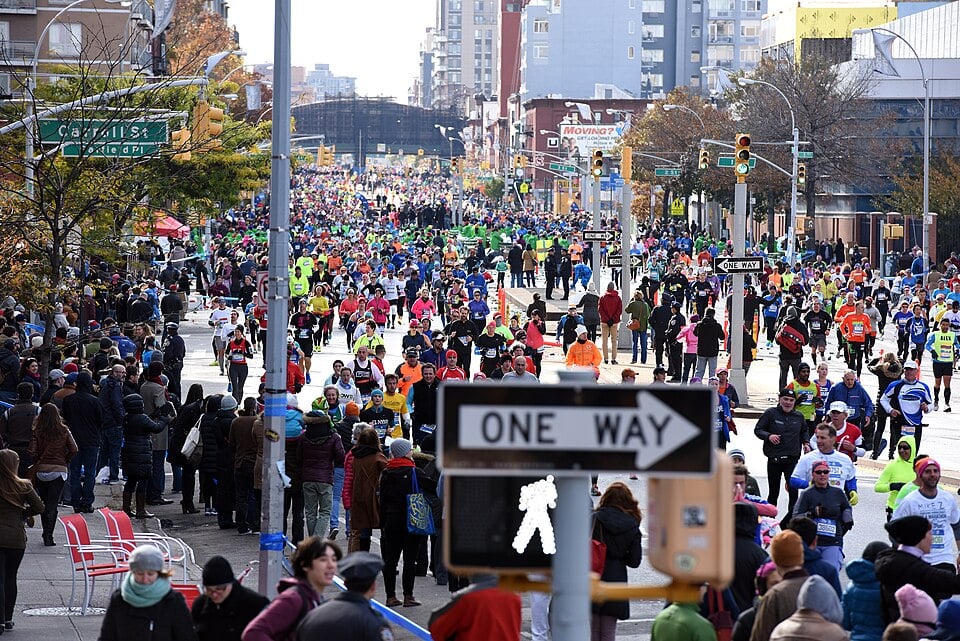
Some areas will be busier than others, so make sure to plan ahead and get there early. To know more about the best places to view the race, check the NYRR Spectator Guide. Access to the marathon finish area in Central Park is subject to security screening and crowd limits. Grandstand seating requires a ticket, but a designated standing spectator area is also available. Check the official NYRR Spectator Guide for current access rules and entrance locations.
Transportation, Street Closures and Race-Day Planning
The TCS New York City Marathon causes sweeping road closures and traffic disruptions throughout New York City. To prevent gridlock, it is important to stay up to date on street closures. Major roadways and bridges are closed one after the other on the marathon route.
Taking public transport is advisable; however, checking with the MTA regarding schedules is essential beforehand. Subways, buses, and commuter trains will be subject to changes in service. These changes will affect their schedules and routes and cause delays.
Individuals wishing to see the runners will need to factor in longer travel times between the boroughs, as moving through the busy city will take longer than anticipated. The road restrictions and transportation regulations differ greatly from one area to another. Therefore, plan the trip in advance. Always follow the instructions given by the police and the marathon organizers to remain safe and get through the marathon day easily.
What Runners and Visitors Should Know Before Race Day
It is essential for runners to thoroughly go through their participant instructions as well as the assigned start wave information prior to arriving at Staten Island. It is advised for travelers to check on all hotel and transportation arrangements well ahead of time. This prevents any complications on the day of the race.
Spectators are highly encouraged to check the National Weather Service forecasts closer to November 1 and dress in layers for changing autumn temperatures. Because the finish line area is heavily restricted, anyone planning to reunite with a runner should agree on a designated meeting point well outside Central Park’s secure zones.
For real-time updates and emergency notifications, everyone should routinely consult official NYRR event channels as race day approaches.
Conclusion: A New York City Tradition Continues
On November 1, 2026, the TCS New York City Marathon will bring runners and spectators together to celebrate the 50th anniversary of its historic five-borough course. The event connects athletes from around the world with New York City’s diverse neighborhoods and communities. For information related to the event, one should follow the official channels of the NYRR for last-minute information on race day. Readers should follow official NYRR channels for the latest race-day information. The 50th anniversary of the five-borough course highlights the marathon’s lasting place in New York City’s sporting history. The event remains a major fixture on the city’s annual sports calendar.
Sources:
New York Road Runners. “TCS New York City Marathon.”
Metropolitan Transportation Authority. “MTA.”
New York City Department of Transportation. “Construction Embargoes.”
National Weather Service. “New York City Forecast.”
New York City Marathon – New York Road Runners. “Watch the Race.”
Editor’s Disclaimer: This article is intended to provide readers with an overview of the 2026 TCS New York City Marathon, including its history, course, and race-day planning information. Event details, transportation schedules, street closures, spectator access, and weather conditions are subject to change. Readers are encouraged to consult the official New York Road Runners website, the Metropolitan Transportation Authority, and relevant city agencies for the latest updates before traveling to or attending the event. Weather forecasts should be checked closer to race day.
