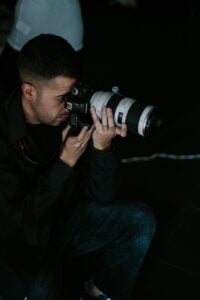
Photographers and media outlets covering public events often operate in fast-moving environments where moments happen quickly and content is expected to be published almost immediately. But while public spaces generally provide broader freedom for photography and filming, legal experts say there are still major risks when it comes to licensing, commercial usage, privacy rights, and copyright ownership.
Presence News asked attorneys, creative agency executives, and production professionals:
Do photographers or media outlets need permission to publish content from public events, and what are the legal risks if they don’t?
Their answers reveal that the line between editorial coverage and commercial licensing is where many creators and media companies run into trouble.
Editorial Use vs. Commercial Licensing
One of the most common misunderstandings in media production is assuming that capturing content at a public event automatically grants unlimited rights to sell or commercially exploit the footage later.
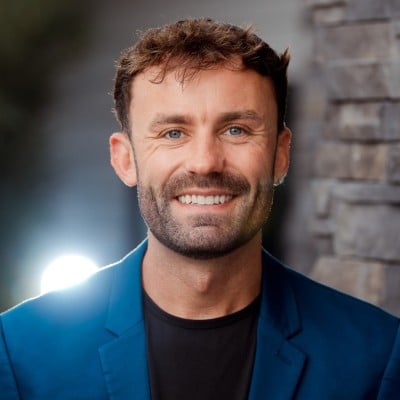
Nate Olsen partner at Creative Olsen explained that credentials and intended use matter significantly:
“Media companies must strictly separate editorial rights from commercial licensing. Assets captured under editorial credentials for a news outlet generally cannot be sold to B2B brands for advertising without obtaining separate, explicit model and property releases.”
Olsen noted that venue agreements and credential terms can impose additional restrictions beyond copyright ownership itself, especially in high-security environments or enterprise events.

Similarly, Corey Larson Chief Operating Officer at Outlier Creative Agency emphasized that many companies misunderstand the difference between a usage license and ownership transfer.
“Just because you filmed it doesn’t mean you can sell it.”
Larson explained that production agreements should clearly define where, how, and for how long footage may be used — especially when clips are later repurposed for social media advertising, sponsor campaigns, or broadcast distribution.
Copyright Ownership Is Not Always Automatic
While many photographers assume they own everything they shoot, experts warned that freelancers, contractors, and collaborators can complicate ownership rights.
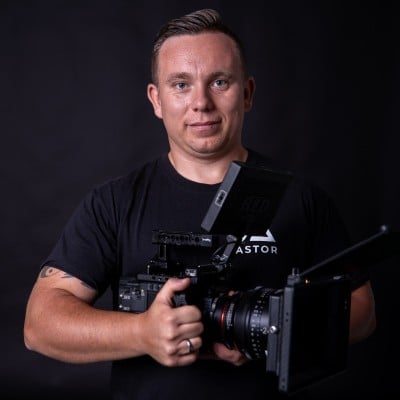
Kris Bilski Founder & Creative Director at Astor Film Productions Ltd. said media companies frequently overlook “chain of rights” issues when licensing event footage.
“Just because you shot the footage doesn’t mean you own it.”
Bilski explained that freelance creators often retain copyright ownership unless contracts specifically transfer or license those rights. Without proper written agreements, a media outlet could potentially face disputes when attempting to resell or sublicense event content.
He also warned that venue contracts, stage visuals, background artwork, presentation slides, and even music playing during events can create additional legal exposure if footage is later used commercially.
Model Releases and Privacy Risks
While wide crowd shots from public events are often considered lower risk for editorial coverage, close-up or commercially licensed imagery involving identifiable individuals may require additional permissions.

Karol Pawlina Business Lawyer and Trademark Agent at Pawlina Law said missing paperwork is one of the most common legal mistakes he sees.
“I see media companies get in trouble constantly because they skip model releases and solid license agreements for event photos.”
Pawlina shared that one client faced a copyright claim after selling images without sufficient contractual protections in place.
Experts noted that the risks increase significantly once content moves beyond journalism and into marketing, advertising, sponsorship, or paid promotional campaigns.
Bilski added that relying solely on implied consent because cameras were visible at an event may not always be enough, particularly under stricter privacy frameworks or international regulations.
The Growing Importance of Licensing Clarity
As event media increasingly gets reused across platforms like Instagram Reels, YouTube Shorts, websites, digital ads, sponsor decks, and streaming services, licensing disputes have become more common.
Corey Larson said his agency now structures contracts around platform-specific usage tiers to avoid confusion later.
“A clip licensed for a client’s website doesn’t automatically cover their Instagram Reels, paid ads, or a broadcast package.”
This distinction has become increasingly important as brands and event organizers attempt to maximize the value of event footage long after the original event concludes.
Authentic Storytelling Still Matters
Beyond legal protections, some experts argued that ethical and culturally accurate storytelling also affects the long-term value of event content.

Ron Vernon Managing Partner at ELMNTL said authentic event photography often performs better than heavily polished marketing campaigns.
“Eighty-five percent of consumers find user-generated content more effective than brand-generated media.”
Vernon said licensing authentic moments can help brands create stronger emotional connections with audiences while avoiding backlash caused by cultural misrepresentation or misleading promotional use.
What Media Companies Should Do Before Publishing Event Content
Experts interviewed by Presence News consistently recommended several best practices for photographers and media outlets covering public events:
- Clearly distinguish editorial coverage from commercial advertising usage
- Use written agreements for freelancers and contributors
- Secure model releases when content may be used commercially
- Review venue credential agreements carefully
- Verify music, artwork, stage visuals, and presentation rights
- Define licensing terms across websites, ads, social media, and sponsorships
- Consult legal professionals before large-scale licensing deals
For media companies, photographers, and creators operating in fast-paced event environments, the consensus was clear: public visibility does not automatically eliminate legal risk.
As event coverage becomes increasingly monetized across digital platforms, experts say having clear contracts and licensing structures in place before publication can help avoid costly disputes later.
Coverage and reporting by Presence News