Photographs and videos captured at public events are commonly used by media outlets, photographers, and businesses for editorial coverage, social media, and promotional purposes. However, legal considerations can quickly become more complex depending on how the content is used, the event’s rules, and whether individuals are identifiable in the material.
According to experts, editorial coverage of public events is generally protected, but commercial usage, inaccurate representation, or violations of venue policies can create legal risks.
Daniel Sagal — Chief Operating Officer at Braff Law Car Accident Personal Injury Lawyers
Braff Law Car Accident Personal Injury Lawyers
Daniel Sagal, Chief Operating Officer at Braff Law Car Accident Personal Injury Lawyers, says that editorial and news-style usage of event photography is typically treated differently than advertising or promotional use.
“I work in legal marketing, and news photos usually don’t need permission. Ads are trickier because people get upset if you use their face to sell something. We learned this the hard way at my firm after using charity event photos without asking. It was a mess. Read the event rules carefully and get releases for any commercial use so you don’t get sued.”
Sagal explained that while media coverage is often allowed under editorial protections, commercial campaigns involving recognizable individuals can expose organizations to claims involving likeness rights, privacy concerns, or unauthorized endorsements.
Stephanie Özcan — Co-Founder & Managing Partner at Ferah Hospitality Group
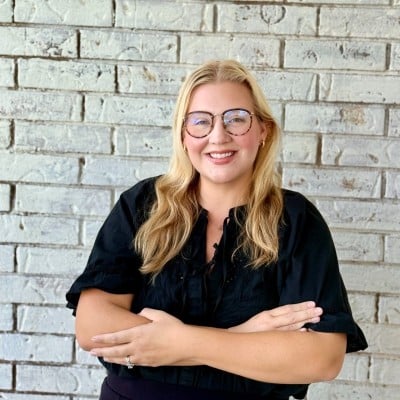
Stephanie Özcan, Co-Founder and Managing Partner of Ferah Hospitality Group, says that event photography disputes often come down to contracts, venue terms, and client expectations rather than whether the event itself was technically public.
“I oversee marketing, media relations, customer experience, and event logistics for Ferah Catering & Events and our restaurants, so I deal with photo/video use from weddings, corporate events, websites, social, galleries, and press coverage all the time. In practice, ‘can they publish it?’ usually turns less on the fact that the event felt public and more on the event terms, venue rules, client contracts, and whether identifiable people were part of what was captured.”
Özcan added that the legal risk often increases when content shifts from editorial coverage into advertising or sponsored campaigns.
“The biggest risk is usually not the photo itself, but using someone’s likeness or event details in a way they didn’t agree to. A wedding guest may not care if they appear in event recap coverage, but they may care a lot if their face ends up in an ad, on a homepage banner, or in a sponsored campaign without a clear release.”
She explained that hospitality groups and event operators often coordinate directly with planners, venues, and clients before using real-event content in marketing materials.
“At Ferah, we handle this by setting expectations early and coordinating directly with venues and planners, just like we do with service logistics and rentals. For example, if we want to feature food displays, bar service, or a chef action station from a real event, we make sure the usage aligns with what the client and event partners are comfortable with before it ever becomes marketing content.”
Özcan also warned that inaccurate reporting can create separate legal and reputational risks even if the images themselves were lawfully captured.
“For media outlets, another real risk is publishing inaccurate context. If you identify the wrong host, imply a partnership that didn’t exist, or reveal private event information a client expected to stay discreet, you can create problems fast even when the images themselves looked harmless.”
Editorial vs. Commercial Use
Experts generally distinguish between:
- Editorial Use: News reporting, documentaries, event recaps, and journalistic coverage.
- Commercial Use: Advertisements, sponsored campaigns, product endorsements, homepage banners, or paid promotional materials.
Editorial use is often protected under freedom of the press principles, while commercial use may require model releases, contractual permissions, or additional approvals depending on local laws and the circumstances of the event.
Event Rules Still Matter
Even at highly visible public gatherings, organizers and venues may impose photography or credentialing restrictions through ticket agreements, posted policies, or media contracts. Violating those terms can potentially lead to removal from events, credential revocation, or contractual disputes.
For media professionals, photographers, and brands, experts recommend:
- Reviewing venue and event policies carefully
- Obtaining releases when using identifiable people commercially
- Avoiding misleading captions or implied endorsements
- Confirming sponsorships and partnerships before publication
- Respecting privacy expectations for private or invite-only functions
As event coverage continues expanding across digital media and social platforms, understanding the distinction between editorial storytelling and commercial promotion remains one of the most important legal considerations for creators and publishers.