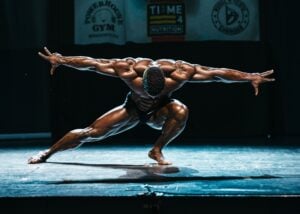
The 62nd Mr. Olympia took place in Las Vegas on September 26, 2026, drawing top bodybuilding athletes from around the world.
The competition highlights the physical development, symmetry, conditioning, and presentation that define professional bodybuilding. Nick Walker, 32, won his first Mr. Olympia title after placing sixth in 2025.
While the Olympia is held in Las Vegas, bodybuilding has deep roots in New York City and the surrounding region. Behind the professional stage is a local community of bodybuilders, powerlifters, recreational lifters, and fitness enthusiasts across New York City and the surrounding region.
For these athletes, bodybuilding exists beyond the glamour of the professional stage; instead, it is a daily life commitment that comes with challenges of training, nutrition, recovery, work schedules, and more, especially the difficulties posed by living in one of the biggest cities in the country.
What Is Bodybuilding?
Bodybuilding is sometimes confused with general weightlifting or strength training. Despite the fact that all three may involve the practice of resistance training, the motivations behind each are quite different from each other.
Strength training generally emphasizes physical performance and increasing the amount of weight an individual can lift. Bodybuilding focuses more heavily on developing and presenting the muscles of the body.
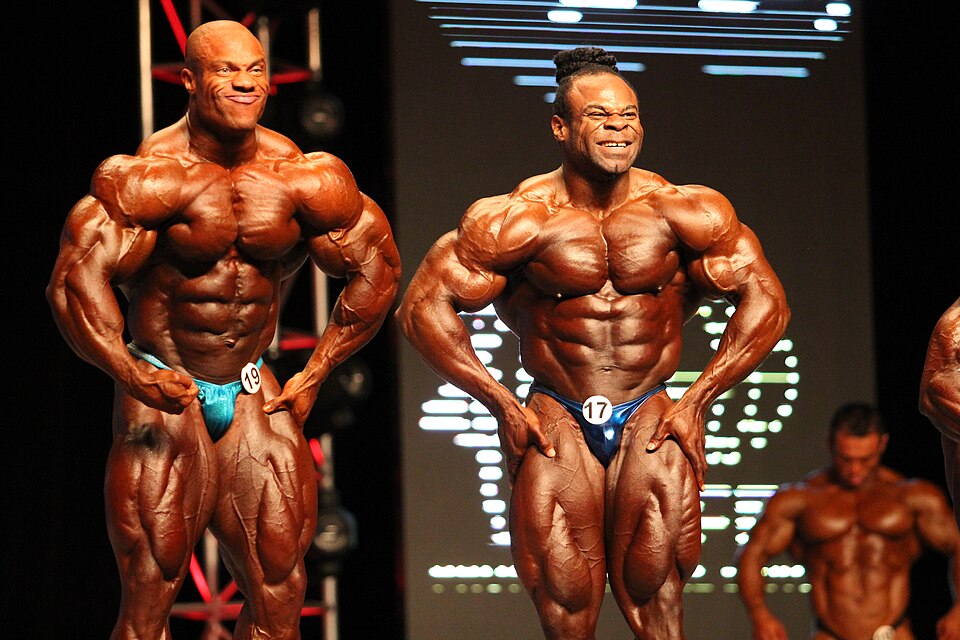
In judging bodybuilders in competition, judges consider several factors, such as physical appearance, balance, proportion, level of fitness, and techniques used in posing. Competitors need to focus on their physical build while keeping their body fat levels low enough to show the muscle details.
In addition to that, conditioning is vital. Bodybuilders need to show off their physiques with the help of various poses and routines.
Not everyone who follows bodybuilding-style training competes. Recreational bodybuilders may follow structured resistance training, nutrition, and recovery programs for personal fitness or aesthetic goals. Competitive bodybuilders take those practices further by preparing for judged events, often following months-long contest-preparation programs.
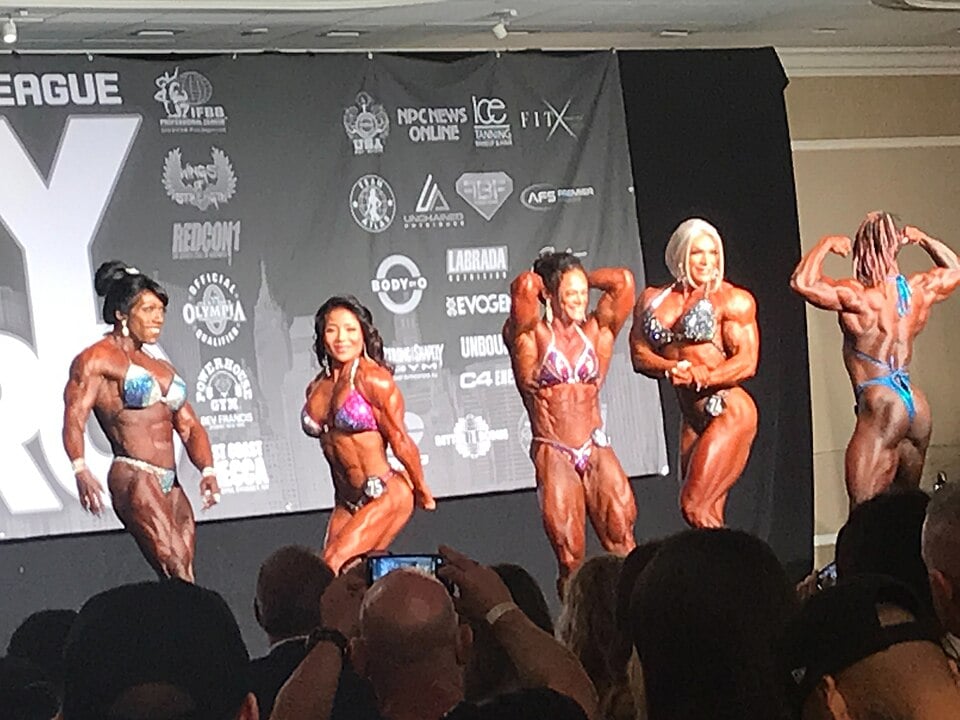
Contemporary contests have many categories with divergent benchmarks. In the case of males’ Bodybuilding divisions, emphasis is put on the development of massive muscles, while that of the Classic Physique division is put on proportions and the vintage body view. The Men’s Physique division concentrates on the athletic upper body aspect of the male physique. For women, there are divisions such as Bikini, Figure, Women’s Physique, and finally Women’s Bodybuilding competitions.
New York City’s Long Relationship With Bodybuilding
New York City’s connection to bodybuilding and physical culture stretches back more than a century.
One of the most significant early events took place at Madison Square Garden between December 28, 1903, and January 2, 1904. Physical-culture promoter Bernarr Macfadden organized a large-scale physique competition that crowned Al Treloar as the “Most Perfectly Developed Man in the World.” Thomas Edison also filmed Treloar’s posing routine.
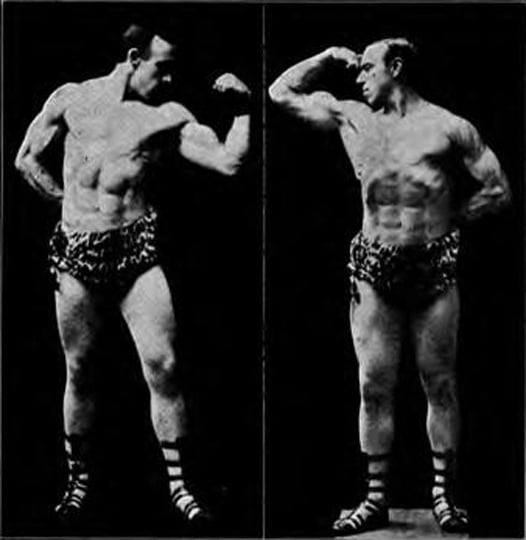
The city’s influence extended beyond competitions. Charles Atlas, whose original name was Angelo Siciliano, spent his childhood in Red Hook, Brooklyn. He was bullied as a child and became interested in physical improvement, and in the end, he got recognized as one of the leading names in fitness advertising in America.
New York also developed a network of specialized training spaces.
Siegmund Klein’s Studio of Physical Culture functioned in the borough of Manhattan for many years, starting back in the 1920s, and has been linked to the emergence of weight training as well as special equipment.
Another noteworthy institution is Mid-City Gym, which has been around since the 1960s and is associated with bodybuilding and strength sports and hosts athletes from various disciplines.
The relationship between bodybuilding and other strength sports has long been visible in New York. Boxing gyms, weightlifting facilities, powerlifting spaces, and bodybuilding gyms have historically overlapped, creating communities where athletes could exchange training methods and ideas.
That tradition continues in a different form today.
The Modern NYC Bodybuilding Scene
New York City’s current fitness landscape includes everything from large commercial health clubs to specialized bodybuilding facilities.
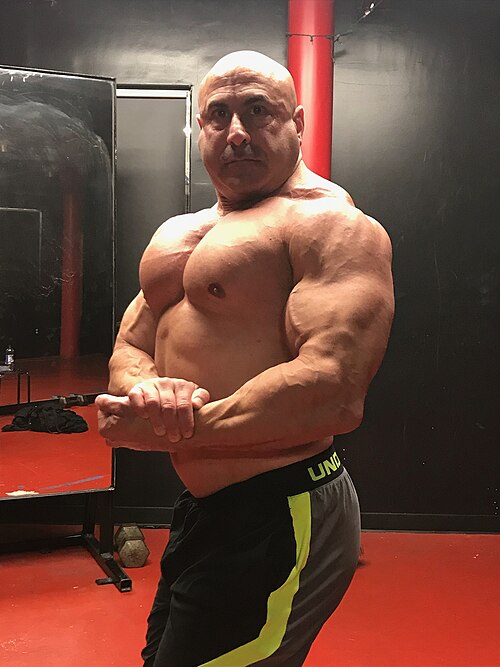
Commercial gyms are seen to benefit all types of users, since they are equipped with the basic devices for cardio and resistance workouts. Bodybuilding gyms, however, are able to attract their share of users thanks to the special focus on free weight training.
Equipment plays a huge role in the training process for those practicing bodybuilding. Special machines are often used for the conduction of exercises targeting particular muscles and providing proper angles for exercises, while dumbbells used in bodybuilding gyms are also very heavy and of high quality.
The atmosphere can be different as well. Traditional bodybuilding gyms often emphasize a training environment centered around lifting, with the sounds of weights, music, and members working through demanding sessions.
Mid-City Gym in Manhattan remains one example of a facility with a long bodybuilding history. Outside the city in Syosset, Long Island, Bev Francis Powerhouse Gym has become another major destination for athletes in the New York metropolitan area. The facility was founded by powerlifting champion Bev Francis and Steve Weinberger and is widely associated with the region’s bodybuilding community.
In Brooklyn, facilities such as South Brooklyn Weightlifting Club represent another side of the local strength-training culture, emphasizing structured barbell training and progression.
The Challenges of Bodybuilding in New York
Building a physique requires consistency anywhere, but living in New York City can add another layer of logistical challenges.
Cost is one consideration. Dedicated bodybuilding facilities can have higher membership prices than conventional commercial gyms because of specialized equipment and the expenses associated with operating fitness businesses in a high-cost real estate market.
Nutrition can present another challenge.
Bodybuilding-style diets often require consistent access to protein, carbohydrates, and other foods that support an individual’s training goals. Preparing meals also requires refrigerator, freezer, and kitchen space. For New Yorkers living in small apartments or shared housing, meal preparation can become a logistical exercise of its own.
Transportation can affect training routines as well.
Many New Yorkers rely on public transportation rather than personal vehicles. A person following a structured training schedule may have to travel through the city carrying workout clothing, lifting equipment, and prepared meals.
Time is another factor. Bodybuilding requires more than the hours spent inside a gym. Training must be combined with meal preparation, work, sleep, and recovery.
For competitive athletes, the demands become even greater. Contest preparation can involve additional cardio, carefully planned nutrition, posing practice, and other expenses associated with competing. Registration, coaching, posing instruction, competition clothing, tanning, and travel can add to the cost.
For someone balancing bodybuilding with a full-time job or other responsibilities, maintaining that routine can require considerable planning.
Bodybuilding Beyond the Gym
The work involved in bodybuilding does not end when a training session does.
Nutrition and recovery are major parts of the process. Bodybuilders often pay close attention to protein intake, overall calorie consumption, and the balance of carbohydrates and fats in their diets.
Training is also built around recovery. Rest allows the body to adapt to resistance training, making sleep and recovery important parts of a long-term program.
Consistency is perhaps the most important characteristic.
Bodybuilders might work out up to several times a week for years to become plus-sized and improve their skills. Competitive athletes come up with an even more systematic approach to preparing for a certain type of training.
That is why bodybuilding may be understood differently in the views of different people. For some, bodybuilding represents several gym visits per week together with improved overall physical condition. For others, it means approaching a serious process of performance at a contest.
The Olympia’s Influence on the Everyday Gym
The Mr. Olympia remains the most visible stage in professional bodybuilding, but its influence extends beyond the athletes who compete there.
Every competition gives the audience the chance to discover new body shapes and training methods in the sport. With the help of social media, this ability is now even more powerful. Now fans can track their favorite players through the training process, instead of only watching them during the competitions.
Instagram, TikTok, and YouTube have also changed how bodybuilding information is shared. Training videos, meal-preparation content, and competition updates can reach audiences around the world almost immediately.
That accessibility has benefits, but it also means gym-goers encounter a wide range of information online. Not all fitness advice shared through social media is equally reliable, and highly edited photographs or videos can create unrealistic expectations about what a physique looks like throughout the year.
For New York lifters, however, the fundamental process remains much the same: training, eating appropriately, recovering, and staying consistent.
Looking Ahead
With the 2026 Mr. Olympia now concluded, attention within the bodybuilding community turns toward future competitions and the next generation of athletes.
New York and the surrounding metropolitan area continue to provide opportunities for competitors at different levels. Events such as the New York Pro and NPC competitions give athletes opportunities to pursue competitive goals without necessarily traveling across the country.
At the same time, specialized gyms continue to provide spaces for people who simply want to train seriously.
The story of bodybuilding in New York is therefore larger than any single competition. It connects the city’s early physical-culture movement with today’s specialized gyms, commercial fitness centers and online fitness communities.
The Olympia may take place under the lights in Las Vegas, but bodybuilding is built one workout at a time.
Across New York City, that work continues in crowded weight rooms, basement gyms and specialized training facilities. For professional competitors, recreational lifters and people simply trying to become stronger and healthier, the pursuit remains rooted in the same basic idea: consistent effort over time can change the way the body performs and looks.
The skyline may have changed since New York’s early days of physical culture, but the city’s relationship with bodybuilding remains firmly connected to the people who continue to train there every day.
Sources:
IFBB Pro League — 2026 Pro Schedule
Smithsonian Institution — Charles Atlas Records
IFBB Pro League — 2026 New York Pro
Library of Congress — Macfadden’s Encyclopedia of Physical Culture
IFBB Pro League — NPC Worldwide Rules
The New York Times — “Physical Culture Prizes” (January 3, 1904)
American College of Sports Medicine — Resistance Training Position Stand
PubMed — Nutrition Recommendations for Bodybuilders in the Off-Season: A Narrative Review
Fitness Volt — 2026 Mr. Olympia Results
Editor’s Disclaimer: This article is intended for informational and journalistic purposes and provides an overview of bodybuilding culture, history, training practices, and competitions in New York City. It is not intended to provide medical, nutritional, fitness, or professional training advice. Readers should consult qualified professionals before making significant changes to their exercise, nutrition, or health routines. References to bodybuilding organizations, gyms, athletes, or competitions do not constitute endorsements by Presence News.
