
Thailand —Thailand often enters the imagination through its famous hospitality, smiling faces, “Sawasdee kha,” vibrant nightlife, street food, and endless celebrations. If you are considering Thailand travel in 2026, you’ll discover that after exploring the country, Thailand deserves to be explored beyond the stereotypes.
For many international travelers, Thailand is not simply a party destination. It is also about beaches, temples, food, relatively affordable living, retirement communities, wellness, culture, and the slower rhythm of life outside Bangkok.
For this week’s Presence News travel feature, I traveled from Kolkata to Thailand to explore two very different sides of the country—energetic Bangkok and the quieter seaside town of Hua Hin.
And if you are planning Thailand in 2026, Hua Hin deserves a place on your itinerary.
Which Airline Is Best? My Pick: Thai Airways
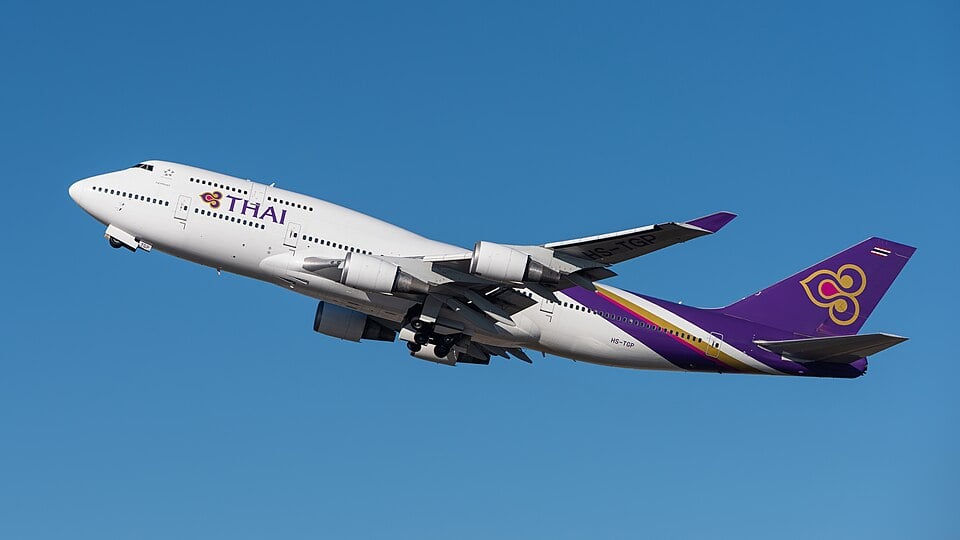
My Thailand experience began before I even landed. On a flight late at night from the bustling city of Kolkata, I traveled on Thai Airways, which instantly put me in a different mood within a couple of hours. The cordial greeting from the cabin crew in Thai and the customary ‘Sawasdee kha’ welcomed me to the culture instantly. This is not a paid promotion—I simply enjoyed the experience.
Thai Airways remains particularly convenient for Indian travelers because it operates Bangkok services from several major Indian cities, including Kolkata, Delhi, Mumbai, Chennai, Bengaluru, and Hyderabad.
Of course, there are plenty of other airlines flying to Thailand, and travelers should compare fares, schedules, baggage allowances, and overall travel time before booking. But personally, if the question is, “Which airline would I choose for a first Thailand experience?”—Thai Airways would be high on my list.
What Documents Do You Need?
This is one part of the trip that I found surprisingly simple. Being a holder of an Indian passport, I was not required to seek a tourist visa for entering Thailand on my trip. However, visa exemption rules for Indian citizens are subject to change. Thailand’s Cabinet approved a new 30-day visa-exemption scheme for Indian passport holders in July 2026. The Royal Thai Embassy in New Delhi said the new scheme would take effect 15 days after the relevant Ministry of Interior announcement is published in the Royal Gazette. Because entry rules can change, Indian travelers should verify the current requirements with Thai authorities before traveling.
American passport holders are also eligible for visa-exempt tourism entry under Thailand’s current rules, with the applicable permitted stay subject to the latest Thai immigration requirements. There is, however, an important online requirement.
All non-Thai nationals entering Thailand must complete the Thailand Digital Arrival Card (TDAC) before arrival. The information you need to provide to the official system is passport and travel information, including accommodation data.
This means that before leaving, it is essential to confirm visa-free entry requirements before making any travel plans.
Bangkok: Where the City Never Really Sleeps
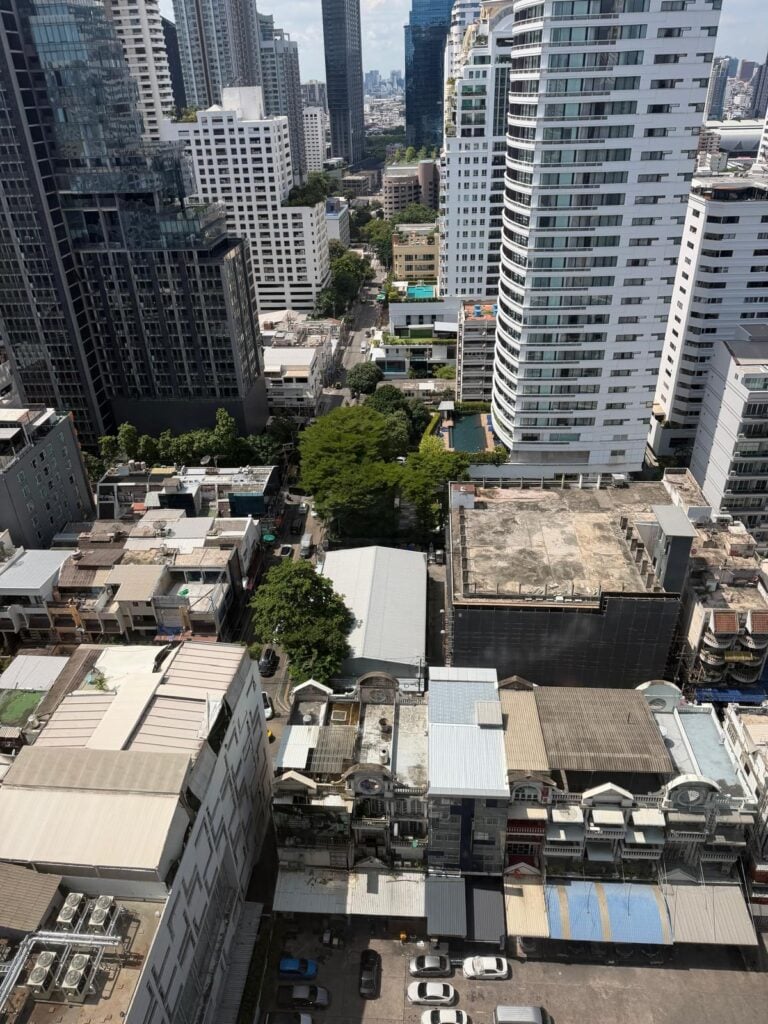
My first stop was Bangkok. I was staying in Aloft Bangkok Sukhumvit 11, located right in the center of one of Bangkok’s most vibrant urban hubs. Sukhumvit 11 is home to numerous restaurants, bars, entertainment venues, and places to experience the nightlife; thus, this place appeals to tourists who love having a city atmosphere on their doorstep.
Hua Hin: Thailand’s Quieter Side
After Bangkok, I wanted something slower. So I chose Hua Hin. Hua Hin has a very different personality from Bangkok. It is a seaside resort town with a more relaxed atmosphere, beaches, markets, restaurants, and a substantial international visitor community. It has also become attractive to expatriates and retirees looking for a quieter lifestyle than Bangkok or the more heavily commercialized resort destinations. My journey from Bangkok to Hua Hin was by train. And that train journey became an experience of its own.
The Train Journey: Beautiful, Old, and Unpredictable
Hua Hin station was among the places that I liked at first sight due to its distinctive features compared to other modern transport terminals. The architecture and vibe of the place seemed somewhat reminiscent of the past. However, trains were a different story altogether. Some train coaches looked dated, and the trip reminded me how much the railway network in Thailand retains the charm of yesteryear. Those who are used to traveling fast may feel the trip is overly slow.
But perhaps that is precisely why I enjoyed parts of it. Travel is not always about speed.
Sometimes the old train window, the passing landscape, and conversations around you tell you more about a country than an airport lounge ever could.
Hua Hin Night Market: Where the Town Comes Alive
As soon as night fell, Hua Hin was transformed. The rise of Hua Hin Night Market on Dechanuchit Road transformed it into another world. The street became heavily crowded with food stalls, seafood, sweet delicacies, garments, souvenirs, and global cuisines.
Hua Hin is famous for having a market. Originally a market for locals, it turned out to be one of the most popular attractions for both locals and foreigners.
For me, the best part wasn’t simply shopping. It was sitting outside, eating, and watching the market move around me. There is something wonderfully democratic about a night market. Tourists, locals, workers, families, and international visitors all occupy the same space, looking for their next meal.
An Indian Dinner in Hua Hin
Among the many food options, I eventually found myself inside an Indian restaurant.
After several meals of Thai cuisine, there was something comforting about seeing familiar Indian flavors in the middle of Hua Hin. I ordered my meal, sat outside, and watched the market continue around me.
That was perhaps one of my favorite moments of the trip. Travel is often presented as a search for something completely foreign. But sometimes the most interesting experience is discovering how familiar cultures travel with us.
Indian food in Hua Hin was a small reminder that global tourism does not erase cultural identity—it creates new places where identities meet.
The Return Journey: When Travel Stops Being Instagram-Perfect
The way back to Bangkok was much less romantic. My train got canceled, which made me search for other options. In the end, I found myself in a sleeper-train carriage filled mostly with daily commuters. Windows remained open, the compartment was basic, and my journey was noisy, cramped, and nothing like the glamorous Thai experience depicted in the ads.
And strangely, that became one of the most memorable parts of the journey. Looking through an open train window while traveling through Thailand gave me a glimpse of everyday life that I would never have experienced from a tourist bus or private car. However, the trip also demonstrated the necessity of rail modernization.
With the country attracting millions of tourists from all over the world, it is essential to have a good transport infrastructure. In fact, very good public transport should match the success of the tourism industry in the country. By the time I reached Bangkok, I felt relieved.
Bangkok Again: Temples, Palaces, and Nightlife
Why Thailand in 2026?
Editor’s Disclaimer: This article is a first-person travel feature based on the writer’s personal experiences and observations while traveling in Thailand. References to airlines, hotels, restaurants, transportation, attractions, and destinations reflect the writer’s experience and should not be interpreted as endorsements or guarantees. Travel requirements, including visa and entry rules, can change, so readers should verify current requirements with official authorities before traveling.
