Torrance, California — Presence News reporter Maria Cornejo reported on the Metro Board’s approval and the selected route for the K Line Extension to Torrance. The project’s Final Environmental Impact Report was certified at the Metro Board meeting held on January 22, 2026, leading to its approval of the K Line Extension to Torrance. Moreover, the Board chose the Hawthorne Option as the selected route of the project.
The K Line Extension will take approximately 4.5 miles of light rail from the existing Redondo Beach (Marine) Station to the Mary K. Giordano Regional Transit Center in Torrance, located at 465 Crenshaw Blvd., Torrance, CA 90503. There will also be another station located near 1815 Hawthorne Blvd, Redondo Beach, CA 90278.
The new rail extension is expected to provide another way for residents of South Bay and other areas of Los Angeles to travel throughout the city. Therefore, people will not have to rely solely on their cars.
Metro Approves Final Route
On January 22, 2026, the Metro Board certified the project’s Final Environmental Impact Report and approved the K Line Extension to Torrance. In addition, the Board selected the Hawthorne Option as the project’s final route.
The approved alignment will extend south from the existing Redondo Beach (Marine) Station and follow portions of the I-405 corridor. Next, it will travel through the center of Hawthorne Boulevard. Eventually, it will reconnect with the Metro/BNSF shared right-of-way south of 190th Street.
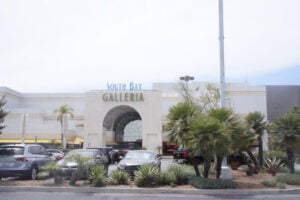
The route will include a station serving the South Bay Galleria area and another station near the Torrance Transit Center.
The route decision was not without controversy. The City of Torrance previously supported keeping the rail project within Metro’s existing right-of-way. They preferred this rather than placing the line through the center of Hawthorne Boulevard. Following the January 2026 vote, the city expressed disappointment with Metro’s selection of the Hawthorne Boulevard option.
The debate reflects the broader community interest surrounding how future transit should be integrated into the South Bay.
Connecting the South Bay to Los Angeles
Metro says the extension is intended to provide faster and more reliable transit connections between Torrance, Redondo Beach and the broader Los Angeles region.
The project is expected to connect riders from the South Bay to major destinations to the north, including Los Angeles International Airport (LAX) and Inglewood. Moreover, it will also link up with Metro lines C and E.
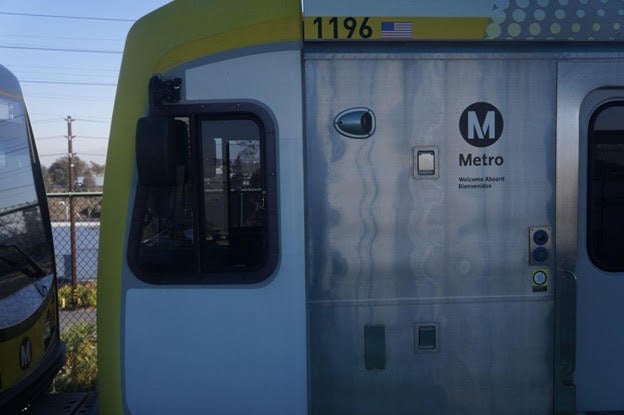
According to Metro’s estimates, this could translate to about 4.9 million annual trips and approximately 1.7 million new riders.
In addition, the new rail service will be able to connect with existing local bus service. For instance, Torrance Transit currently operates Line 8 from Torrance to the LAX Transit Center. The route includes stops serving communities throughout the South Bay.
That existing bus network means residents already have public transportation options connecting Torrance and LAX, while Metro works toward the future rail extension.
A Long-Term Project
Although the Metro Board has approved the project and completed the environmental review process, the rail line is not yet under construction.
At present, the project is said to be in the design stage and is anticipated to be completed in late 2036. But this timeline remains contingent on funds being available.
The agency’s next steps include advancing engineering and design, and conducting field investigations. They will also coordinate with local governments and other agencies. Furthermore, they will continue first- and last-mile planning and pursue additional funding opportunities.
Field investigations can include surveying, utility investigations, soil sampling, traffic assessments, and other work needed to prepare the project for future construction. Metro says much of this work will be temporary and localized. Advance notification will be provided when appropriate.
Metro will also continue working with local cities, residents, stakeholders, and community members as the project progresses.
What It Could Mean for Residents
For people living and working in the South Bay, the future extension could provide another option for reaching jobs, shopping centers, and entertainment venues. Additionally, it will connect to regional transportation.
The planned South Bay Galleria station is particularly significant because Metro says the approved alignment will provide direct access to the commercial area. In addition, the agency says locating stations along an established commercial corridor could place transit within walking distance of existing jobs, retail and the planned redevelopment of the South Bay Galleria area.
The Torrance Transit Center would become the southern terminus of the extension. This would create another connection point between Metro rail and local bus service.
For residents accustomed to driving on congested South Bay roads, the future rail connection could eventually offer an alternative for some regional trips.
Simultaneously, it would take several more years for the completion of this project. The project timeline’s success depends on funding, design, and construction decisions.
Looking Ahead
The K Line Extension to Torrance represents a significant long-term investment in South Bay transportation infrastructure.
Metro’s January 2026 approval moved the project beyond its environmental review and into the next stage of planning and design. The agency will continue engineering work, community engagement and coordination with local jurisdictions before construction begins.
For residents of Torrance, Redondo Beach and surrounding communities, the project will remain an important part of the region’s transportation conversation. This will continue as officials and residents consider how future rail service can connect the South Bay with the rest of Los Angeles County.
With completion currently estimated for late 2036, the project is still years away. But the January approval marks a major step toward eventually bringing Metro rail service farther into the South Bay.
Editor’s Disclaimer: This article is based on publicly available information from the Los Angeles County Metropolitan Transportation Authority (Metro) and the City of Torrance regarding the K Line Extension to Torrance. Project timelines, funding, design, and completion dates are subject to change as the project progresses. Presence News does not endorse or oppose the project or any of the alignment options discussed.

Pingback: Metro Approves K Line Extension to Torrance, Advancing South Bay Rail Plans | Inspiration News