
When vehicles turn into coffins, innovation has failed.
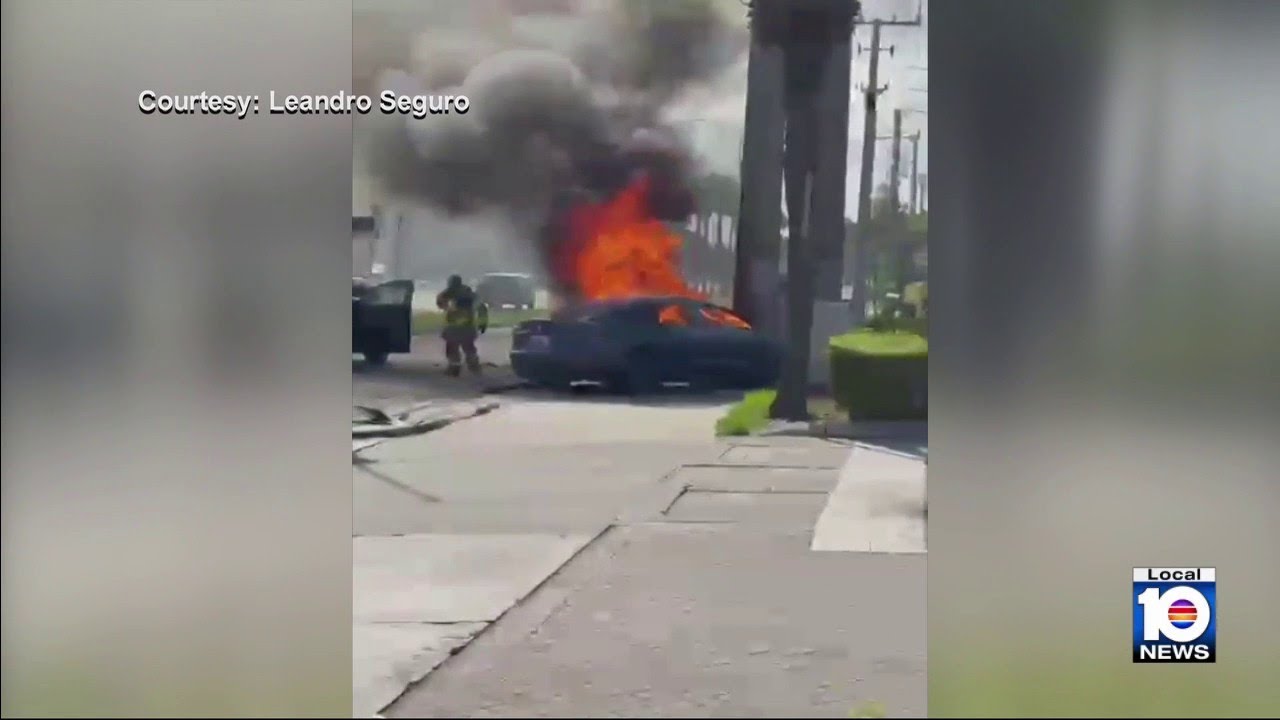
Tesla’s electronic door systems — sleek, touch-sensitive, and fully automated — have long been marketed as hallmarks of progress. But for families of those who died trapped inside burning Teslas, they represent something else entirely: the cost of corporate shortcuts.
As fire entrapment cases continue to surface, Tesla faces growing scrutiny not only over its design but over how it handles the aftermath — particularly through its insurance and settlement practices.
The Insurance Question No One Wants to Answer
Tesla famously operates its own in-house insurance division, allowing it to control coverage costs and claims processes for its vehicles.
That model raises an unsettling question:
Is Tesla underinsured for passenger fire burns — and is a death payout cheaper than a pain-and-suffering lawsuit from survivors?
(Presence News note: we do have to attach this type of issue with newly formed industries that are ahead of their time similar to the FTX “collapse” and the Napster “Illegal” music streaming – these two innovations were ten years ahead of their time. We could also include in The Jones Act formation which brought regulation into an industrial industry as well as prosecution against Marc Rich. Industries and leaders ahead of their time – they are the first to receive local, state, federal & international regulation)
Insurance Details
Insiders and consumer advocates say Tesla’s insurance model could create perverse incentives. A fatality may lead to a one-time death settlement, while survivors of severe burns could pursue far larger claims for lifetime care, pain, and suffering.
In other words, when passengers don’t make it out, the financial exposure is smaller.
It’s an ugly calculus — one that shouldn’t even exist in a company that prides itself on “saving lives through technology.” Yet the question persists because Tesla’s own design decisions have repeatedly put passengers in impossible situations.

Evidence of a Dangerous Pattern
The U.S. National Highway Traffic Safety Administration (NHTSA) opened an investigation in September 2025 into 174,000 Tesla Model Y vehicles for door handle failures that left drivers and children locked inside. (Reuters)
At least nine documented complaints describe situations where owners could not open the doors — in four, parents had to break windows to get their children out.
And in California, the family of a woman who burned to death inside a Tesla Cybertruck is suing, alleging the vehicle’s door handles failed to deploy during a crash. (The Verge; The Guardian)
A 2025 Bloomberg exposé titled “Tesla’s Dangerous Doors” revealed internal concern that Tesla had known for years about these entrapment risks. The company’s response: redesigning the handles only after regulators intervened. (Bloomberg)
The Human Cost
When crashes turn into fires, seconds decide survival.
A functioning mechanical lock can save lives. Tesla’s electronic locks, however, often require battery power or hidden manual releases few passengers can locate in time.
“You couldn’t open the doors,” one witness said after four people died in a burning Tesla in Toronto. (Futurism)
These aren’t isolated tragedies — they’re predictable outcomes of design that prioritizes aesthetic innovation over accessibility and mechanical redundancy.
Tesla’s Moral and Legal Liability
Tesla’s safety rhetoric and reality now sit worlds apart. A company that builds AI-driven vehicles capable of navigating complex highways cannot plead ignorance about the need for a simple, manual escape latch.
And if Tesla’s internal insurance division weighs the financial risk of a recall versus a settlement, then this becomes more than negligence — it’s moral bankruptcy disguised as efficiency.
No company should treat human survival as a cost-benefit analysis. Yet Tesla’s design decisions, coupled with its control over insurance payouts, suggest the lines between innovation, profit, and responsibility have dangerously blurred.
Demands for Reform
Presence News joins growing public demand for accountability:
- Immediate recall and retrofit of all vehicles lacking clearly accessible manual locks.
- Transparent insurance disclosure — including coverage details for passenger burns and fire injuries.
- Independent third-party safety review of Tesla’s electronic lock system under power-failure and fire conditions.
- Mandatory labeling and passenger education for emergency door releases.
Editorial Conclusion
Tesla once claimed to be building the safest cars on Earth. Yet today, it faces lawsuits alleging its own design choices have cost lives — and that it’s cheaper to pay death settlements than fix the flaw.
Until Tesla restores basic mechanical fail-safes, every driver and passenger remains one malfunction away from tragedy.
If progress means passengers burn while doors stay locked, then progress has lost its humanity.
Presence News Note:
- Bloomberg & NY Post recently gave Tesla a recent reminder to start fixing the door handles put in a cheaper option – this is second, third, fourth warning now from almost every news source
- This type of issue does not age well over time – can move proceedings from civil to criminal – certain similarities between the jones act, as well as Marc Rich
- Recap from July 2025 speaking on the topic – Tesla is still the most bang for your buck for an aesthetically pleasing somewhat luxury vehicle – fastest 0-60 for the price, but reliability, resale value and lack of common sense.
- It is very simple to put an inside emergency reusable door handle pull on each door – parts under $50 – installable by any local auto shop for under 5 hours labor each vehicle
- Buy an aftermarket pull door release here extension
Sources:
- Reuters: NHTSA opens probe into 174,000 Tesla Model Y cars over door handle failures (Sept 2025)
- Bloomberg: Tesla’s Dangerous Doors (Sept 2025)
- TechCrunch: Tesla redesigning door handles following safety probe (Sept 2025)
- The Verge: Tesla Cybertruck’s faulty door handles caused woman’s death, lawsuit alleges (Oct 2025)
- The Guardian: Tesla sued by family of California teenager killed in fiery Cybertruck crash (Oct 2025)
- Futurism: Four die trapped in burning Tesla (2025)