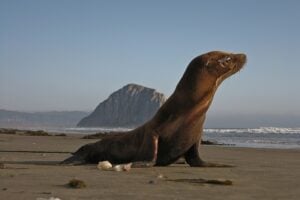
File Photo: A California sea lion pup rests along the California coastline. SeaWorld’s latest rescue milestone involved an orphaned sea lion pup found in Carlsbad, California.
Photo Credit:
Photo by Mike Baird of Morro Bay, California / Wikimedia Commons (CC BY 2.0)
https://commons.wikimedia.org/wiki/File:Pup_of_Zalophus_californianus.jpg
https://creativecommons.org/licenses/by/2.0/
Photo: Presence News
Post Views:392
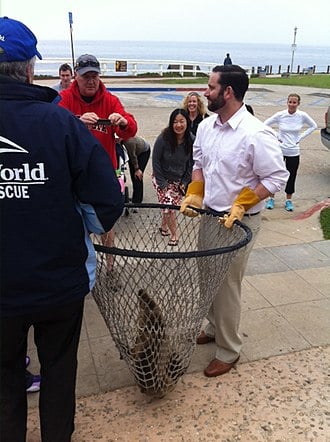
SeaWorld announced this week that its rescue teams have helped more than 43,000 injured, sick, and orphaned animals since the 1960s. The milestone coincided with the rescue of an orphaned California sea lion pup discovered behind a beach house in Carlsbad, California.
According to SeaWorld, the nearly 1-year-old sea lion pup arrived at its San Diego rescue center severely dehydrated and malnourished. Rescue specialists immediately began treatment, providing fluids and nutritional support while monitoring the young sea lion alongside other rescued pups.
The rescue comes amid growing concern about threats facing marine ecosystems and wildlife rehabilitation efforts.
How Marine Wildlife Rescue Networks Operate
SeaWorld’s rescue teams operate out of facilities in Orlando, San Diego, and San Antonio and are on call year-round to assist distressed marine life. The organization says its teams have rescued species including manatees, dolphins, whales, sea turtles, otters, seals, sea lions, birds, and fish.
Marine rescue operations like these are part of a much larger national response network coordinated through federal and state wildlife agencies. According to the National Oceanic and Atmospheric Administration (NOAA), the National Marine Mammal Stranding Response Network is made up of trained organizations and professionals who respond to marine mammals that are stranded, injured, entangled, sick, or abandoned along U.S. coastlines. The network includes nonprofit rescue groups, aquariums, universities, and zoological institutions working in coordination with federal authorities.
Increasing Threats to Marine Ecosystems
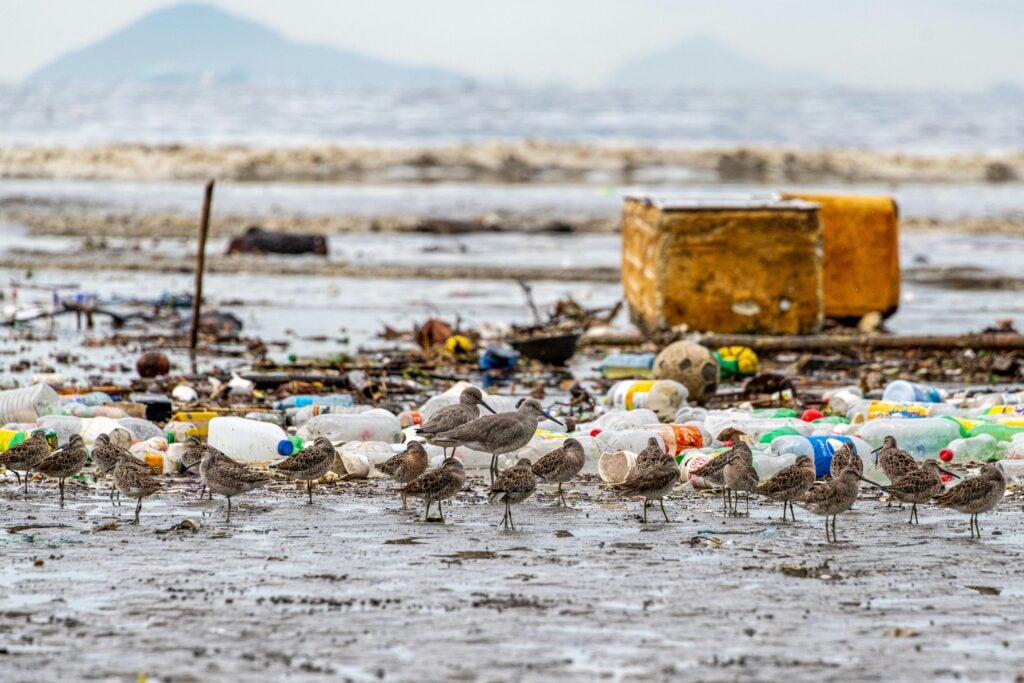
The milestone also highlights growing threats to marine wildlife, including pollution, habitat loss, entanglement, harmful algal blooms, and changing ocean conditions. Jon Peterson, Senior Leader of Zoological Operations at SeaWorld Orlando, previously acknowledged the difficult reality facing marine wildlife rescue efforts, stating, “In a perfect world, animals would never need to be rescued.”
NOAA says strandings can result from illness, algal blooms, fishing gear entanglement, boat strikes, pollution, severe weather, and changing ocean conditions. According to NOAA’s Marine Mammal Health and Stranding Response Program, the program “coordinates emergency responses to sick, injured, distressed, or dead marine mammals.”
Scientists and federal agencies have warned that warming oceans and shifting food availability may affect marine mammal behavior and survival patterns.
The rising number of rescue cases highlights the growing role trained wildlife responders play in marine animal rehabilitation efforts. SeaWorld said its Orlando teams treated 21 manatees, a dolphin, dozens of reptiles and turtles, and multiple birds in early 2026, while its San Diego team handled more than 40 pinniped rescues and nearly 150 bird rescues.
The organization also said its rescue operations are conducted in coordination with agencies such as NOAA and the U.S. Fish and Wildlife Service.
Marine mammal rescue operations in the United States are coordinated under federal wildlife protection laws and agency oversight.
NOAA’s Marine Mammal Health and Stranding Response Program coordinates rescue, rehabilitation, and long-term care for animals unable to survive in the wild.
SeaWorld says its primary goal is to rehabilitate and release rescued animals whenever possible. However, veterinarians and wildlife officials sometimes classify animals as nonreleasable because of permanent injuries or health complications. In those situations, wildlife authorities determine whether accredited facilities can provide long-term care.
SeaWorld’s Ongoing Controversy
Despite its rescue accomplishments, SeaWorld remains a controversial organization in debates over marine mammal captivity and wildlife entertainment. Animal welfare advocates have argued that the 2013 documentary Blackfish intensified public criticism of orca captivity and marine mammal entertainment programs.
The Legacy of Blackfish
SeaWorld’s public image shifted after the 2013 documentary Blackfish, which examined orca captivity and the death of trainer Dawn Brancheau. Media reports and financial coverage at the time linked public backlash after Blackfish to declining SeaWorld attendance.
After public protests, SeaWorld’s animal care policies faced greater scrutiny, while animal rights groups criticized the use of marine mammals for entertainment.
Organizations such as World Animal Protection oppose marine mammal captivity, arguing that “Blackfish led to negative publicity for SeaWorld and changed how people viewed marine mammal captivity.”
Blackfish is widely credited with reshaping public perceptions of SeaWorld and marine mammal captivity.
SeaWorld’s Policy Changes
Amid mounting criticism, SeaWorld ended its orca breeding program and replaced theatrical orca shows with more educational presentations. In recent years, the company has shifted its focus toward rescue efforts, conservation partnerships, and scientific research.
Animal welfare critics remain skeptical of SeaWorld’s business model, while supporters say few groups handle marine rescues at a similar scale.
Debate Over Marine Mammal Facilities
Some conservationists and wildlife responders say large marine wildlife rescue centers play an important role in the national wildlife response system.
Rescue operations require specialized equipment, veterinarians, rehabilitation pools, transportation systems, and long-term care beyond the reach of many smaller nonprofits.
SeaWorld says marine wildlife emergencies are increasing in frequency and complexity.
A Growing Need for Marine Animal Rescue
The milestone reflects the scale of modern marine wildlife rescue operations in the United States. It highlights the increasing demand for trained marine wildlife response teams across U.S. coastal regions.
The orphaned sea lion pup rescued in Carlsbad may eventually return to the wild after recovery. Wildlife experts and federal agencies report growing concerns about strandings linked to pollution, habitat disruption, entanglement, and changing ocean conditions.
As ocean conditions continue to change, experts say demand for marine animal rescue and rehabilitation efforts will likely continue growing.
Editor’s Disclaimer: This article contains information from public statements issued by SeaWorld, as well as publicly available information from the National Oceanic and Atmospheric Administration and other conservation sources. References to criticism of marine mammal captivity are included for contextual and editorial balance. Presence News does not endorse any organization, advocacy group, or commercial entity referenced in this article.
William Barber is an Editor and freelance journalist with Presence News based in Jackson, Mississippi. He regularly reports on community news, business, wellness, culture, entertainment, and human-interest stories throughout Mississippi while helping maintain the publication’s editorial standards. Before joining Presence News, William built professional experience in journalism, librarianship, copywriting, and digital publishing. As a certified copywriter, he has written hundreds of articles spanning wellness media, blogs, digital campaigns, scholarly publications, and poetry. One of his most recognized contributions to Presence News is DDPY: The Workout That’s Changing Lives, which became one of the publication’s most-viewed articles. Through his reporting, William has gained recognition within his local community for covering businesses, nonprofit organizations, entrepreneurs, artists, and community leaders making a positive impact. As an Editor, he has publishing authority at Presence News and works closely with contributors to ensure articles are accurate, informative, and aligned with the organization’s commitment to original, people-first journalism. One of William’s long-term goals is to relocate to New York City, where he hopes to provide regular on-the-ground coverage of local news, business, culture, and community events for Presence News. Story ideas, press releases, and editorial inquiries can be sent to william@presencenews.org More by William Barber