The Broader Geopolitical Shift
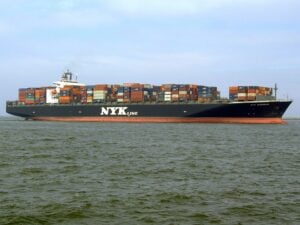
If tensions between Israel, the United States, and Iran escalate into a broader regional conflict, regional geopolitical dynamics could shift rapidly. Any major disruption to traffic through the Strait of Hormuz, a critical maritime chokepoint in the Persian Gulf, could increase the strategic importance of the Bab el-Mandeb Strait and the wider Red Sea corridor.
Militant groups operating in Yemen and Somalia could attempt to exploit increased reliance on Red Sea shipping routes by targeting commercial vessels, ports, or foreign-operated infrastructure. Gulf state rivalries and strategic interests have increasingly extended into the Horn of Africa, with port investments, military bases, and financial patronage expanding in recent years.
The United Arab Emirates (UAE), Qatar, and Saudi Arabia have increasingly used political, economic, and security partnerships to expand their influence and secure strategic access to the Red Sea. These developments reflect growing competition for influence over maritime trade routes and security infrastructure in the Red Sea region.
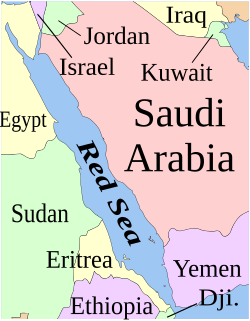
https://commons.wikimedia.org/wiki/File:Red_Sea_map.svg
Somalia’s Growing Strategic Importance
Global powers were already focused on maritime trade chokepoints before recent regional tensions escalated. However, recent attacks on commercial shipping in and around the Red Sea, including attacks attributed to Iran-aligned Houthi forces in Yemen, have intensified international attention on these routes. Somalia’s semi-autonomous regions—particularly Somaliland and Puntland—have gained strategic value due to their geographic positions along major maritime routes. As regional alliances evolve, Somalia’s political fragmentation and competing regional administrations are increasingly becoming matters of broader strategic concern. Changing regional security dynamics could encourage some states to pursue deeper diplomatic or security engagement with Somalia’s breakaway or semi-autonomous territories. Some regional analysts have described Somaliland as a potential geopolitical flashpoint amid intensifying competition in the Red Sea corridor.
Somalia’s Fragmented Political Landscape
Somaliland
Somaliland declared independence in 1991 and has remained largely self-governing since then. It has maintained a significantly higher level of stability than much of Somalia, and it has the infrastructure for its own government, military, and elections. Somaliland remains largely unrecognized internationally despite maintaining its own governing institutions since declaring independence in 1991.

Karinnews / Wikimedia Commons (Public Domain)
Wikimedia Commons Image Page
Public Domain Information (Wikimedia Commons)
Even limited diplomatic or security engagement with Somaliland could carry broader geopolitical implications. Many governments are cautious about legitimizing secessionist movements due to concerns about setting domestic precedents. Discussion surrounding the possibility of external powers deepening ties with Somaliland reflects the growing strategic importance of the Red Sea region and the expanding role of smaller actors in regional competition.
Analysts’ Views on Possible Israeli Interests in Somaliland
Most governments are generally cautious about supporting breakaway territories due to concerns about international precedent and domestic separatist movements. Some analysts have speculated about whether Israel could view Somaliland as strategically valuable despite broader international reluctance to engage with breakaway territories. Subsequent sections will examine factors some analysts cite as potential incentives for closer diplomatic or security engagement between Israel and Somaliland. For states seeking greater influence near the Gulf of Aden, Somaliland’s location could offer logistical, maritime surveillance, and regional access advantages. Broader Red Sea security dynamics are also likely to shape Israel’s potential interests in Somaliland.
Puntland
Puntland declared itself an autonomous region within Somalia in 1998. Unlike Somaliland, which is largely self-governing, Puntland remains formally administered within Somalia’s federal system based in Mogadishu. Although Puntland remains formally tied to Somalia’s federal government, it has avoided the international isolation faced by Somaliland.
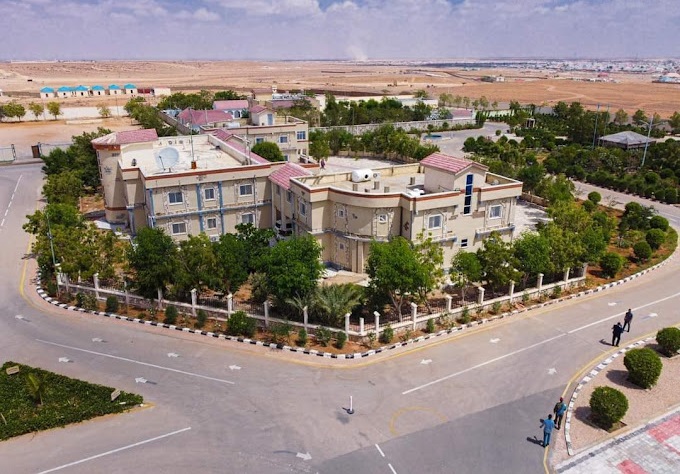
Photo by Abdullahi Mohamoud Ali / Wikimedia Commons (CC BY 4.0)
https://commons.wikimedia.org/wiki/File:Puntland_Presidential_Palace,_2022.jpg
https://creativecommons.org/licenses/by/4.0/
Puntland’s location along the Gulf of Aden has made it important for anti-piracy and counterterrorism operations. The Puntland Maritime Police Force (PMPF), which has received support from the UAE, operates with significant autonomy from Somalia’s federal government. As maritime security concerns in the Red Sea grow, semi-autonomous regional security forces could gain greater regional significance. Regional maritime security dynamics will likely influence Puntland’s future strategic significance.
Southern Somalia / Mogadishu
Al-Shabaab’s operations remain concentrated primarily in southern Somalia, where the group controls or contests territory and maintains parallel administrative structures in some areas. Somalia continues to face significant governance fragmentation, with multiple actors exercising varying degrees of authority. The continued threat posed by Al-Shabaab, combined with overlapping regional power structures, has complicated national governance efforts.
Conclusion
As competition intensifies across the Red Sea corridor, Somaliland and Puntland may become increasingly central to regional strategic competition. These dynamics could allow unrecognized or semi-autonomous territories to play a larger role in regional geopolitics.
Somalia was once viewed primarily through the lens of state collapse and terrorism. Today, Somaliland, Puntland, Somalia’s federal government, and armed groups such as Al-Shabaab all play increasingly important roles in shaping regional dynamics.
Regional competition is increasingly influenced by access to strategic ports, maritime routes, and territory connected to Somalia’s regional administrations. Puntland’s security forces and Somaliland’s port access along the Gulf of Aden may become increasingly important as competition over Red Sea maritime security intensifies.
Ultimately, Somalia’s future will be shaped in part by regional maritime competition and the interests of external powers. Part two of this series will examine the competing interests of Gulf states, Turkey, Ethiopia, Israel, and Iran, along with the risks of further escalation in Somalia’s internal conflicts.
Sources:
Middle East Forum — “Somalia’s Pivot from the United Arab Emirates”
International Crisis Group — “Somaliland”
BTI Transformation Index Project — “Somalia Country Report 2026”
International Crisis Group — “Averting War in Northern Somalia”
The Times of Israel Blogs — “Red Sea Realignments: How Somaliland Became Geopolitically Important”
Editor’s Disclaimer: This article is an analytical commentary examining geopolitical trends, regional security dynamics, and potential future developments in the Red Sea and Horn of Africa regions. Some assessments discussed are speculative and reflect scenario-based geopolitical analysis rather than confirmed future developments or official state policy. The views expressed are those of the author and are intended for informational and analytical purposes.
