

When a DUI Isn’t Just a DUI
In late May, a traffic stop in a small Midwestern town led to arrests of resident: Rusty Moore. Moore disputed the charges, describing the arrest as “unlawful” and claimed it was fueled by local political agendas. Online fundraising pages mounted in his support, alleging police overreach. Meanwhile, news coverage remained minimal, reliant on brief police reports and scarce commentary.
Donate here towards Rusty’s legal fees
Latest Article Updates:
1. Legal Ambiguity and Political Cover
In many Midwest communities, police departments are overseen by elected sheriffs or tied closely to local township boards. These officials often have interlocking political connections that influence departmental behavior. When residents push for transparency—dashcam release, full timelines, or independent review—the result is often bureaucratic delay. Frequently, there is also deflection. In Moore’s case, back-and-forth statements from local law enforcement, coupled with a lack of public records, left more questions than answers.
2. The Silence of Local Press
Outside of a few brief dispatch logs and informal social media discussions, there was little mainstream coverage of the DUI stop. In towns where the local day-to-day issues dominate headlines—school tax votes, community fairs—more serious legal matters like this slip through the cracks. When coverage is limited, so is public pressure for accountability.
3. Community Pressure or Real Policy?
Rusty Moore dominates online comment threads, claiming the arrest cost him his commercial driver’s license (CDL). It triggered financial strain and threatened his livelihood. His GoFundMe campaign portrays the arrest as a politically motivated misuse of power. But because local officials maintain tight control over records, and the press remains passive, the public has little access beyond Moore’s personal narrative and police statements.
4. Why Transparency Matters
When DUI cases occur in high profile or politically sensitive contexts, impartiality needs to be beyond question. Evidence shows direct conflicts of interest—in police funding, election oversight, and inter-department relationships—can create conditions where local accountability falters. The few states that require independent review boards or mandatory bodycam footage release see far fewer disputed cases than those that do not.
Conclusion: Midwest Needs Oversight
The Moore–Boser DUI saga illustrates a larger issue. When local politics and small-town governance influence policing—without robust checks and public reporting—citizens, especially those with alleges like Moore or Boser, are the ones left in the dark. Without full transparency, it’s impossible to know whether justice was served, or if power prevailed instead.
Conflicting Claims and a Call for Public Records
The circumstances surrounding the Moore–Boser arrest continue to raise red flags among community members and independent observers. A video circulating on YouTube appears to show Megan Boser involved in a fatal incident. In the footage, there is no visible weapon. Reports from witnesses suggest no firearm was recovered at the scene. Despite the serious nature of the altercation, no formal charges related to that video have been disclosed publicly. Key details remain unclear.
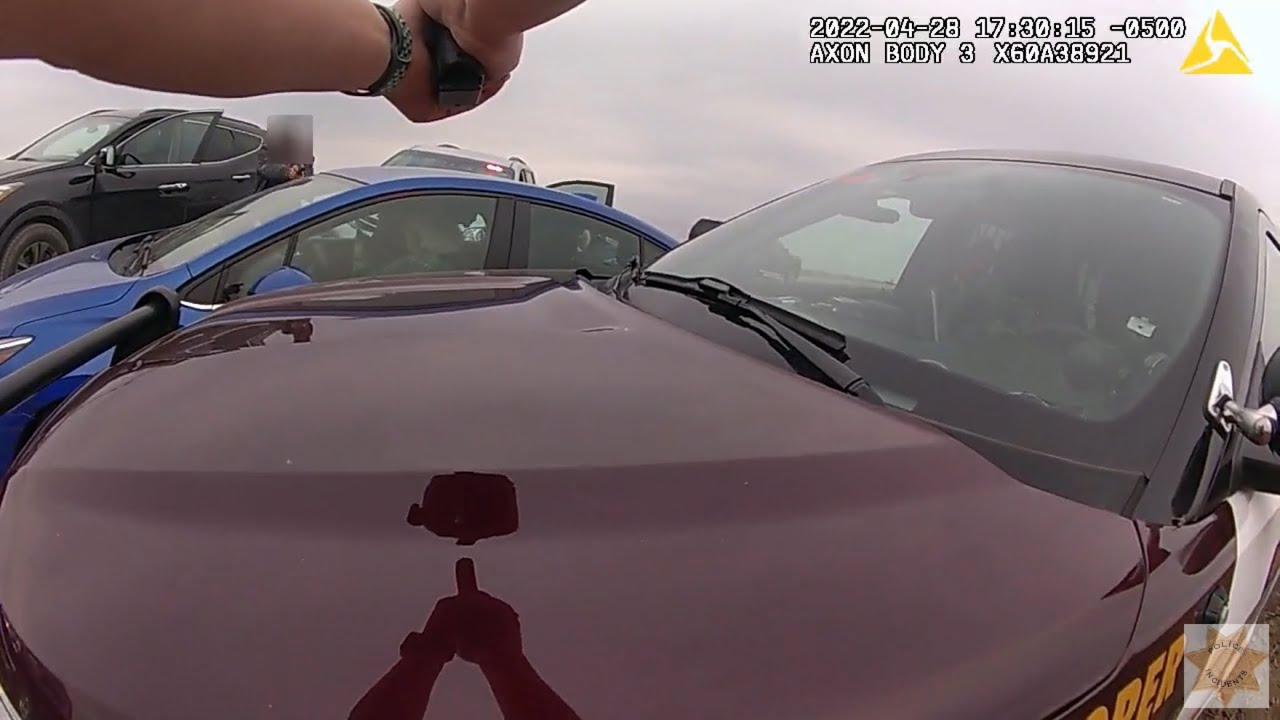
Given the contradictions and the serious allegations involved, Presence News has submitted a public records request to obtain:
- Body and dashcam footage of the arrest
- Arrest reports and officer statements
- Evidence logs relating to the alleged drugs or weapons
- Internal communications between departments regarding the case
The public deserves transparency in this matter. As of now, no timeline has been given for the release of those documents. Officials have not commented on the discrepancies between the claims and reported findings.
Without a clear, documented chain of evidence, the Moore–Boser situation risks becoming another example. It shows how opaque small-town politics and law enforcement operations can be—especially when they intersect with high-profile or politically charged arrests.
Final Thought:
The solution isn’t headline-making reform—it requires consistent, local policy changes. These include required public incident logs, independent review for contested arrests, and resource support for rural newsrooms. Only then can communities truly trust that “protect and serve” applies to their own officials.
Presence News decided to report on this, because it was verified in the video in this article that Rusty Moore had a 0.00 Alcohol Limit as stated by Megan Boser.
Thank you for your news story this is Rusty Moore!!
Boser had him convicted within the first 5 to 8 seconds of initial contact. Then went to talk to the cop that pulled him over to find out his past offenses. Then she told the other cop to add more for her driver. She probably needed to get the number for her quota since the stop was at the end of the month. Rusty had no chan ce what so ever. This video should be used as a training module for how not to be as a law enforcement
officer. Her performance was poor and she should be reviewed on her performance.