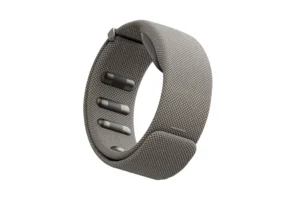
In a stunning reveal that signals a new era of computing, Meta has announced the Neuralink Band. It is a wrist-worn device capable of controlling digital interfaces through the subtle movement of muscles — or even before those movements visibly occur.
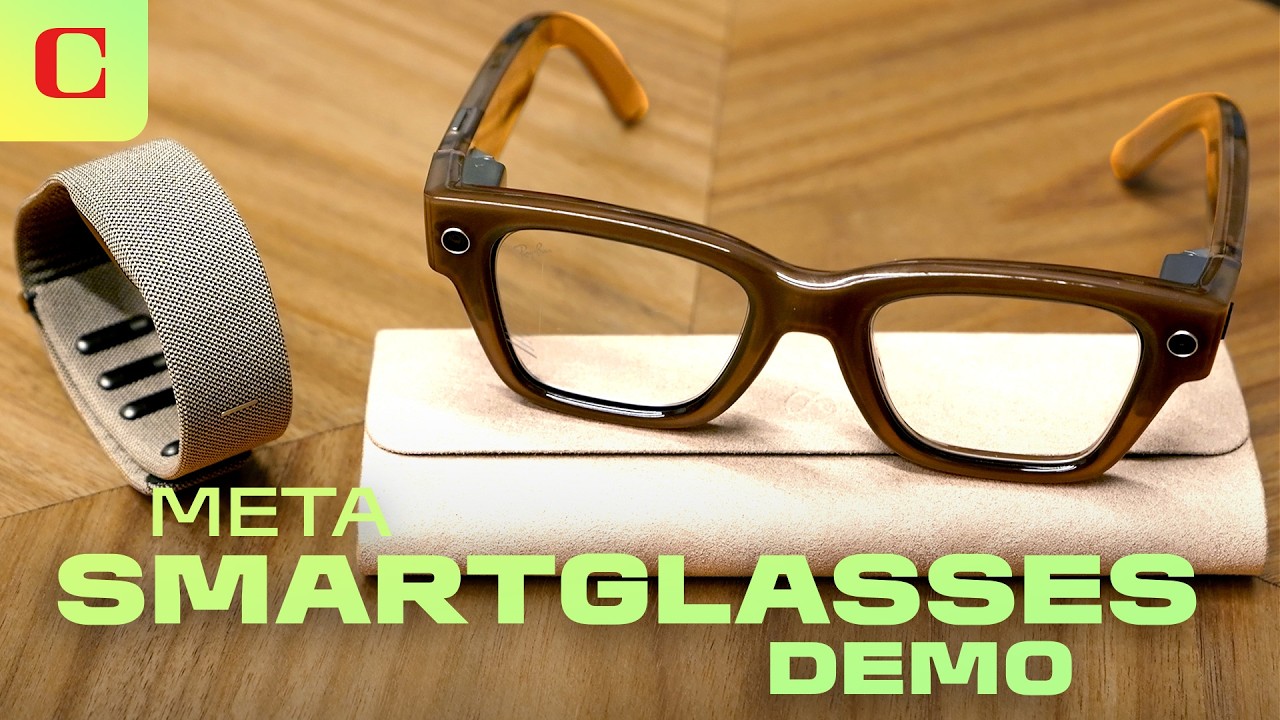
Described by Mark Zuckerberg as “ten years of dedication and development,” the Neuralink Band is built on cutting-edge surface electromyography (EMG) research. It uses advanced sensors and deep learning algorithms to interpret electrical signals from the wrist. These signals are translated into digital actions — such as scrolling, clicking, or even typing messages — without the need for touchscreens, keyboards, or buttons.
“Every new computing platform comes with new ways to interact,” Zuckerberg stated during Meta’s reveal. “We’re really excited about our Meta Neural Band, which replaces the touchscreens and dials of today with intuitive muscle-based interaction.”
Reimagining Human-Computer Interaction
The Neuralink Band represents a major step in Meta’s long-term vision for AI-integrated wearables. Initially designed to pair with Meta’s new Ray-Ban Display Glasses, the wristband enables users to control augmented-reality interfaces using nothing more than slight muscle activity. Meta’s engineers trained their system using data from nearly 200,000 consenting participants. This ensures broad usability right out of the box. It is a significant achievement, given the biological differences in muscle responses among people.
But the implications of this innovation reach far beyond convenience. Experts and advocates believe this technology could reshape accessibility for individuals with spinal cord injuries, neuromotor impairments, or limb differences. It offers them a level of digital autonomy previously unimaginable.
“The fidelity of these sensors allows detection of movements even before they’re visually perceptible,” Meta’s team explained. “That opens the door for revolutionary assistive applications.”
A Decade in the Making
Zuckerberg highlighted that this project represents over a decade of research and development, combining neuroscience, AI, and wearable design. The Neuralink Band reflects Meta’s deep investment in the next generation of human-machine interfaces. It brings to life a vision once confined to science fiction.
Looking Ahead
Predictions from industry analysts suggest that within the next decade, similar muscle-sensing technologies could become standard across devices. This includes smartphones, tablets, household appliances, and vehicles. The Neuralink Band could mark the beginning of a touchless future, where users interact with digital systems through natural, intuitive gestures.
For those living with physical disabilities, this innovation represents more than a technological milestone — it’s a gateway to empowerment, independence, and inclusion in the digital age.
Source:
Meta Blog – Meta Ray-Ban Display and Neuralink Band Reveal (2025)
Editor’s Disclaimer:
This article was generated based on official information and predictive analysis for Presence News.
