When we drove under the Lower Trenton Bridge, it was hard to miss the bright neon sign, which read “Trenton Makes, The World Takes“. The sign reflects the region’s long industrial history. As I continued toward the area, I looked forward to exploring local attractions that would add a sense of adventure to the trip.
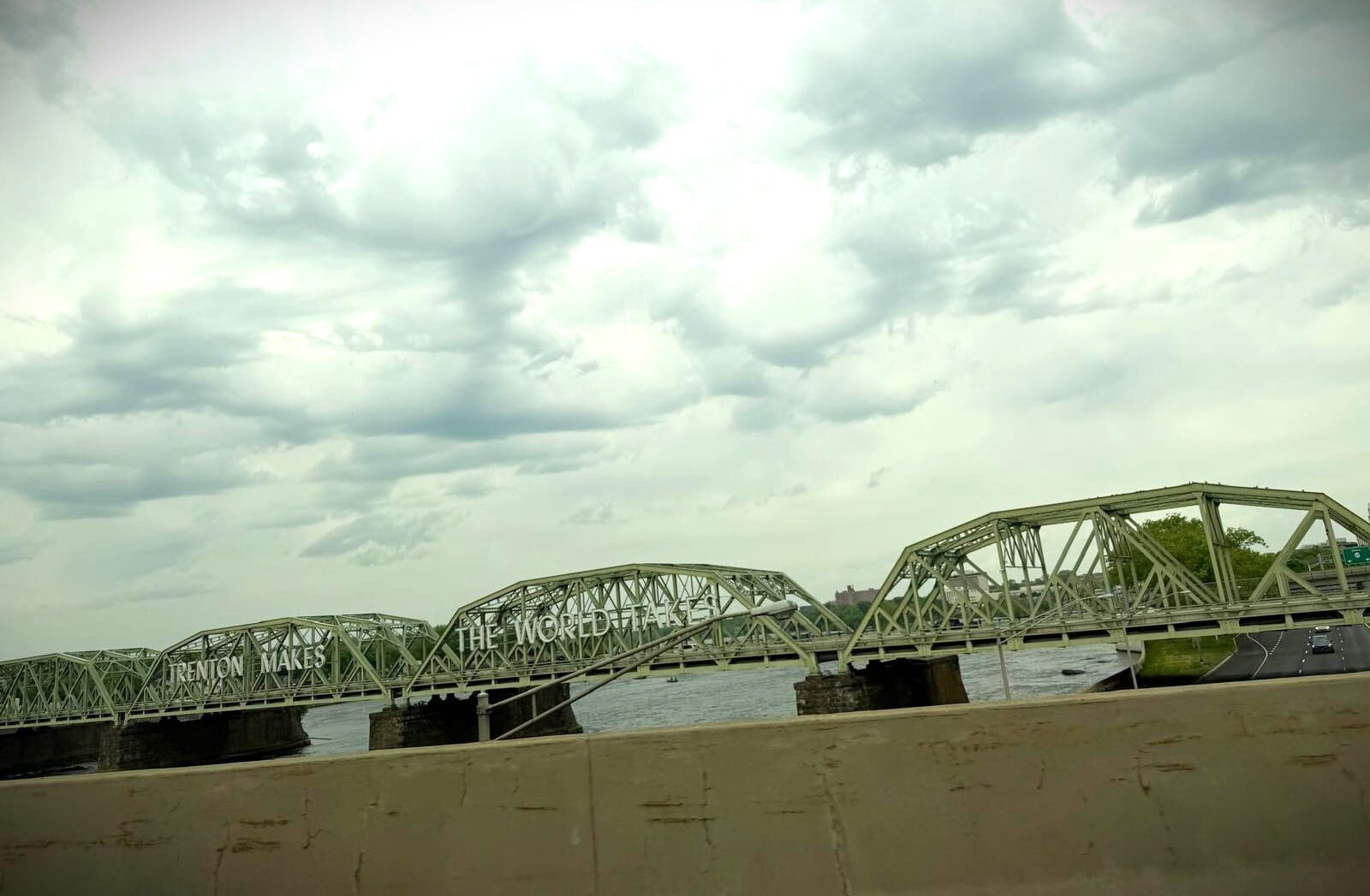
Photo by Susmita Majumder / Presence News
Commerce and manufacturing played a major role in the region’s economy before suburban development reshaped parts of the area during the 20th century. The bridge still stands today as a lasting symbol of the region’s industrial past. The mix of urban development and historic architecture became noticeable as we entered the area. I noticed the mix of architectural styles throughout the area. Because it was my first visit, I experienced a different side of Bucks County than I had expected. Exploring the town’s historic sites and local businesses revealed a different side of Bucks County.
Driving through Levittown and nearby neighborhoods, I noticed a diverse mix of residential areas, local businesses, and green spaces.
Life Along the Canal
We stopped for a few minutes at the historic Life Along the Canal site on Delaware Drive (Pennsylvania Route 611). Historical information at the site describes the canal’s role in 19th-century transportation and trade. The inscription ‘1831 to 1931’ reflects the canal’s historical importance to local communities. The site offers insight into the canal’s importance to regional commerce. Historical markers throughout the site provide information about the area’s past.
Langhorne Hotel
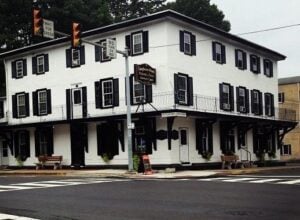
The hotel continues to operate while preserving much of its historic character. Local historical references indicate that the inn dates back to the 18th century and still operates today. It is located at the intersection of Maple Avenue and Bellevue Avenue. The building reflects the area’s preserved historic architecture and long history. The hotel continues to operate while preserving much of its historic character.
Lunch Stop at Olive Garden
Around noon, our group decided to stop for an early lunch at the Olive Garden restaurant chain. Inside the restaurant, black-and-white photographs depicting scenes inspired by Italian culture decorated the walls.
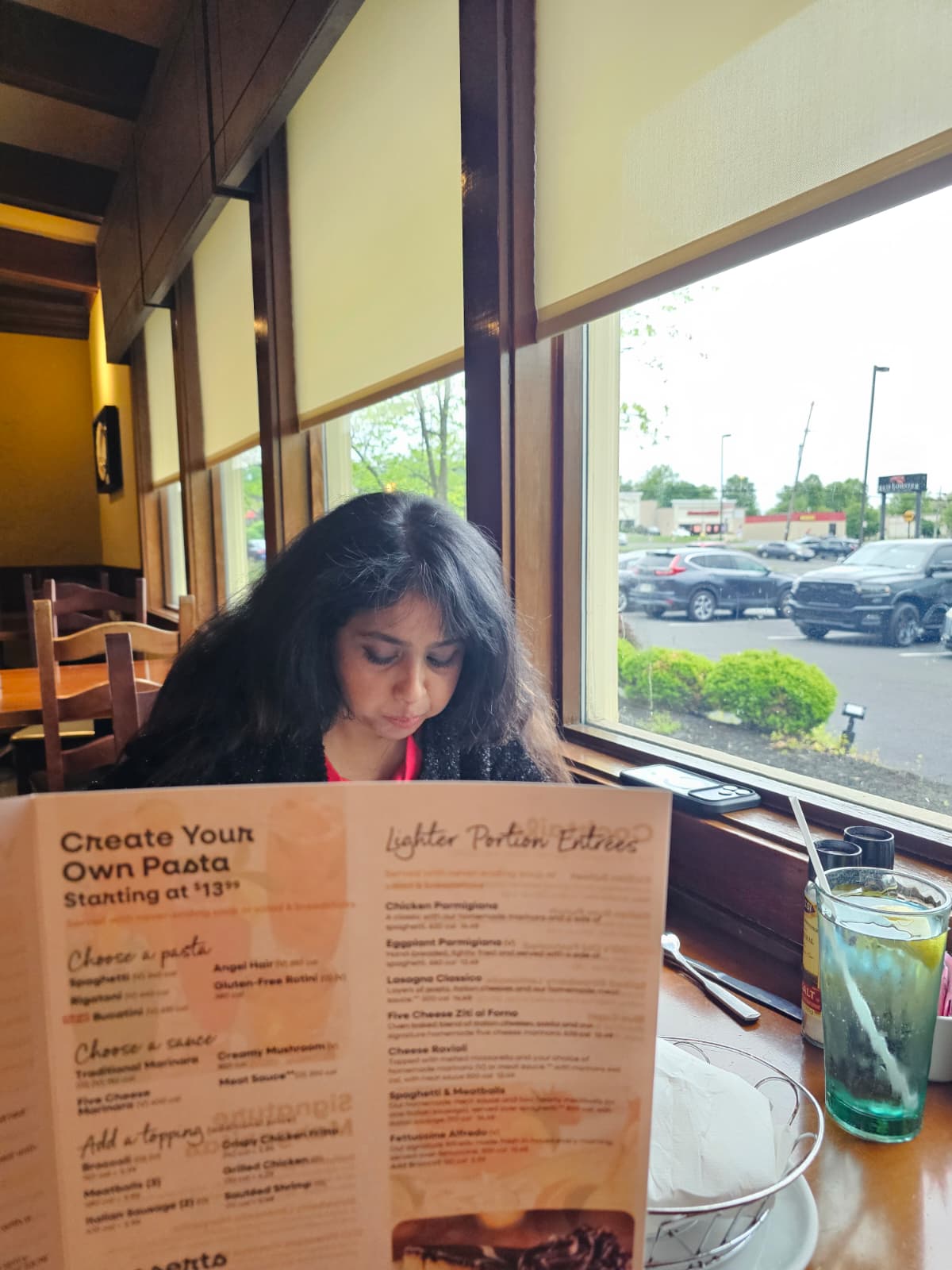
Photo courtesy of Presence News
I ordered a salmon entrée during the lunch stop and enjoyed the meal. The staff remained attentive throughout the meal. The restaurant maintained a relaxed, family-oriented atmosphere. Numerous members of the wait staff checked on our table throughout the meal. Managers also stopped by the table periodically during the visit. The staff reflected the diversity of the surrounding community.
I also appreciated the restaurant’s cleanliness and overall upkeep.
Core Creek Park
Core Creek Park became one of the highlights of my journey. Spread across nearly 1,200 acres, the park offers extensive green space and walking areas. Large stones lined parts of the lake while ducks moved across the water. Benches were placed along the walking paths and gentle hillsides. These spots provide quiet places to rest near the lake.
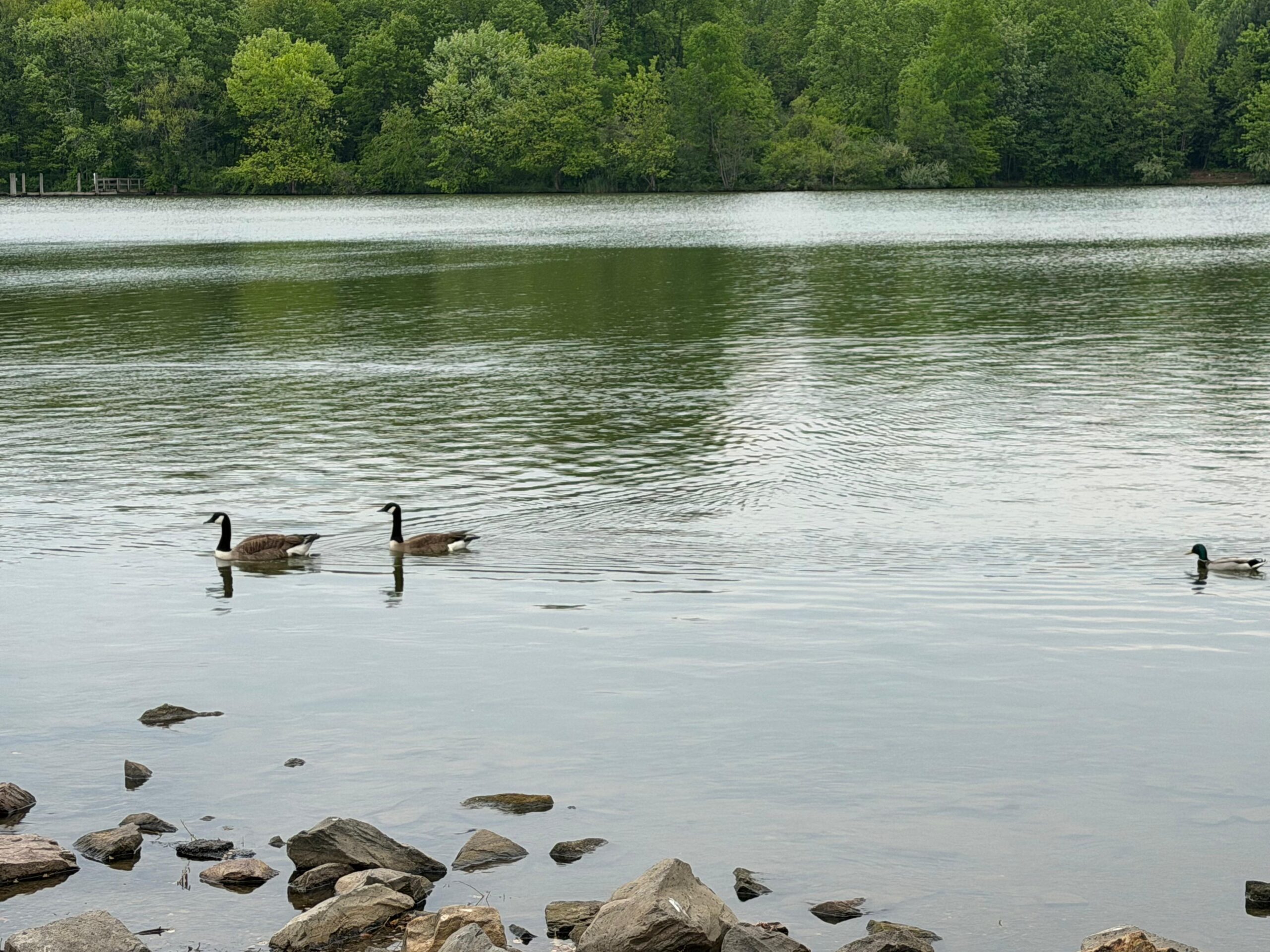
Photo by Susmita Majumder / Presence News
Visitors relaxed beneath the trees while birds gathered nearby along the shoreline. Geese rested along the shoreline after swimming across the lake.
Core Creek Park offers ball fields, bikeways, walkways, boating programs, fishing areas, picnic spots, hiking trails, playgrounds, tennis courts, nature areas, a dog park, and spaces for community events. Despite its many recreational areas, the park still felt quiet and relaxing.

Photo by Susmita Majumder / Presence News
Takeaways
After spending several hours there, I found myself wishing to stay longer. Though Langhorne is a relatively small borough, the surrounding area supports a diverse local economy that includes education, healthcare, retail, construction, and professional services.
The area still has opportunities to expand tourism and historical preservation efforts. Local organizations continue working to highlight Langhorne’s historical sites and attractions. Local officials often view tourism as a way to support hotels, restaurants, and small businesses. Historical attractions remain part of the area’s appeal to visitors.
I noticed that several older buildings had already been replaced by newer development. Some of those structures may have been suitable for preservation or adaptive reuse as educational or historical spaces. Before visiting Langhorne, I did not realize how much history the area contained. After visiting the area, I came away with a greater appreciation for the importance of preserving and sharing local history. Overall, the area combines local history, public parks, and community spaces in a way that leaves a lasting impression on visitors.
Editor’s Disclaimer: This article reflects the personal observations, experiences, and opinions of the writer during a visit to Langhorne, Pennsylvania, and surrounding areas. Historical references and community information were compiled from publicly available sources, local historical markers, and on-site observations. Descriptions of businesses, parks, restaurants, and attractions are based solely on the author’s individual experience at the time of the visit and are not intended as official evaluations or endorsements. Readers are encouraged to verify local information independently, as conditions may change over time.
