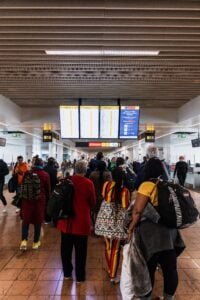
When it comes to travel, July is one of the busiest months of the year. Obviously, for many, it’s much easier to reach a final destination, especially those at a long distance, via air. July is one of the prime months in which airports are mobbed with all sorts of people. Unfortunately, in the midst of people seeking the best flight come many delays.
Since flight delays are a huge inconvenience for travelers, especially those looking to squeeze in that last bit of summer vacation time, it’s important for travelers to understand the reasoning behind these delays. This way, they can plan more effectively. The main reasons that surround the causes of these annoying flight delays revolve around severe summer weather, peak passenger volume, and systemic staffing shortages. However, travelers can learn ways in which to work around these issues.
Why July is One of the Busiest Months for Air Travel
July is a very busy month for air travel for a variety of reasons. First of all, it’s the month that provides families with the last chance to travel before kids go back to school. Many school districts have been opening their doors much earlier than in previous years. Therefore, the month of July provides the last bit of leisure time before the school buses start appearing and the bells start ringing. Also, let’s not forget what occurs at the beginning of July: the Fourth of July. The celebration of America’s independence results in huge gatherings of families all across the United States. Many people travel to beaches and national monuments to witness fireworks displays like no other.
Another factor in July being a prime month for travel in North America is that it’s the best time, weatherwise, to visit parts of the continent that are considered too cold for some to visit during other times of year, such as parts of the Northeastern United States, Canada, and Alaska. It’s that once-in-a-lifetime chance for many to experience a far-away location while the weather is still reasonable, for them at least. This influx of air travelers, unfortunately, results in problems.
Why Flight Delays Are More Common in July
- Airport Traffic Congestion
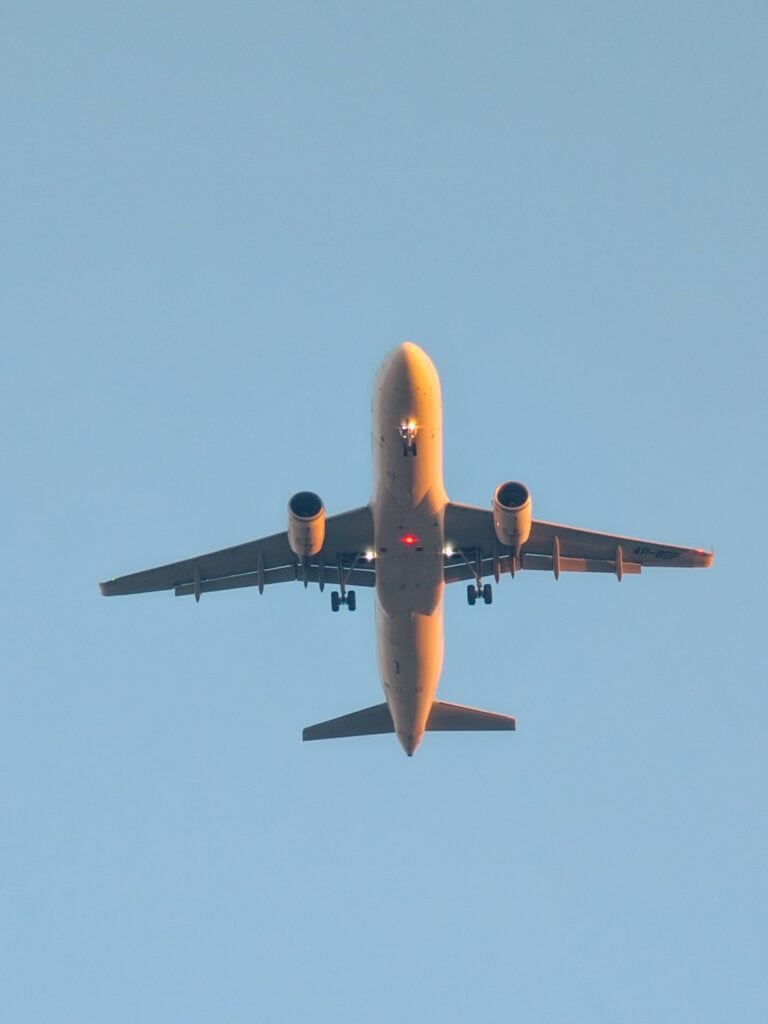
When there are masses of people flying during the month of July, the volume of planes trying to take off or land exceeds the airport’s physical capacity. Therefore, planes are forced to wait in line on the runway or in the air. There are only so many runways, even in the largest of airports. Even just one delay can affect multiple flights as others are forced to delay too.
- Extreme Heat
Although some may not think it would be a factor, extreme heat can definitely be a factor in flight delays. July is one of the hottest months of the year for North America, and this region, as of this writing, is experiencing a heat wave. Plane engines require dense air to generate maximum power. When these temperatures rise, this dense air drops. Also, extreme heat forces airplanes to use longer takeoff runs and strictly limits their maximum weight. This is because thin air reduces both aerodynamic lift and engine thrust.
- Summer Thunderstorms
The extreme heat that parts of North America experience during the month of July plays a factor in summer thunderstorms, which, coincidentally, also play a part in flight delays. The high temperatures combine with high humidity and atmospheric instability, fueling the atmosphere. As a result, there are often intense summer thunderstorms. Many of these storms tend to peak in the mid-to-late afternoon, which is the prime time for many of the summer flights.
Let’s not forget that the lightning produced by these storms affects air travel. To prevent direct strikes from lightning, airlines suspend any aircraft movement, often for a substantial amount of time. Also, heavy rain can cause flooding on airport tarmacs and runways, forcing the closure of these areas temporarily.
How Travelers Can Prepare?
- Book Morning Flights and Get There Early
As mentioned, the bulk of air travel, and delays for that matter, occur in the afternoon. Booking the earliest flights possible can greatly diminish the chances of these delays occurring. Also, make sure you monitor flight status beforehand via the use of apps. You can sign up to have flight alerts sent to your phone directly. Once you’ve verified the direct arrival time, be sure to arrive at the airport early.
- Pack Medications and Essentials in a Carry-On
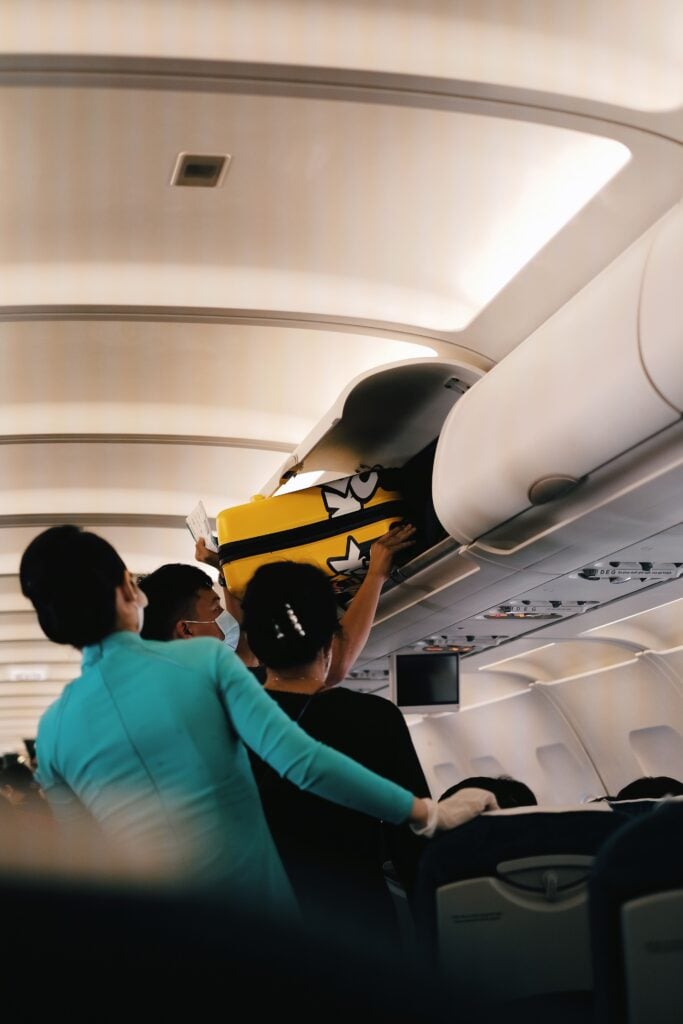
Many people take multiple medications for a variety of reasons. If you happen to be one of these people, it’s good to take caution before flying. It’s recommended to carry these medications in a carry-on bag rather than checking them. That way you won’t be separated from them when you need them at a certain time, or in the case of an emergency.
- Know Your Airlines Rebooking Policies
When you are already aware of what your airline’s policies are, it allows you to avoid customer service lines. In addition, you reduce the chances of paying extra fees that you might not be aware of.
Looking Ahead
While flight delays can be frustrating, understanding why they are more common during the busy month of July can help travelers better prepare for their journeys. Heavy passenger demand, extreme summer heat, and frequent afternoon thunderstorms all contribute to disruptions across the nation’s airports. By booking early morning flights when possible, monitoring flight updates, packing essential items in a carry-on, and familiarizing themselves with their airline’s policies, travelers can reduce stress and be better equipped to handle unexpected delays. Although no one can control the weather or airport congestion, a little preparation can go a long way toward making summer travel smoother and more enjoyable.
Federal Aviation Administration (FAA). How the FAA Gets Your Plane There Safely.
United States Department of Transportation. Bureau of Transportation Statistics.
Transportation Security Administration. Travel Tips.
Editor’s Disclaimer: This article is intended for informational purposes only and should not be considered travel, legal, or aviation safety advice. Flight schedules, airline policies, weather conditions, and airport operations can change rapidly. Travelers are encouraged to check with their airline, airport, and relevant government agencies for the latest information before departure.
