
With Halloween falling on Saturday, October 31, television networks and streaming platforms are offering a wide range of horror films. This year marks the 50th anniversary of Carrie (1976), making Halloween an ideal time to revisit one of horror cinema’s most enduring films. Based on Stephen King’s 1974 novel, the film has endured beyond the horror genre’s devoted fan base.
Interest in Carrie (1976) during this Halloween season reflects both the film’s 50th anniversary and renewed attention to the story. Following earlier screen adaptations and a sequel, a new miniseries based on Stephen King’s novel premiered on Prime Video in October 2026. According to Nielsen’s U.S. streaming rankings, the new Carrie miniseries ranked No. 1 overall for the week of October 5–11, 2026, with approximately 1.26 billion minutes viewed. The film marks its 50th anniversary on November 3, 2026, the release date listed on Stephen King’s official website.
Fifty years after its release, Carrie remains a landmark of horror cinema, exploring themes that continue to resonate with audiences.
A Horror Film That Refuses to Fade
Directed by Brian De Palma, Carrie (1976) remains a subject of discussion and analysis decades after its release. Sissy Spacek delivers an unforgettable performance as Carrie White. The film helped establish a lasting model for horror stories that combine psychological tension, supernatural elements, and the pressures of adolescence. The prom sequence remains one of the film’s defining moments, combining Spacek’s performance with striking cinematography and carefully staged suspense.
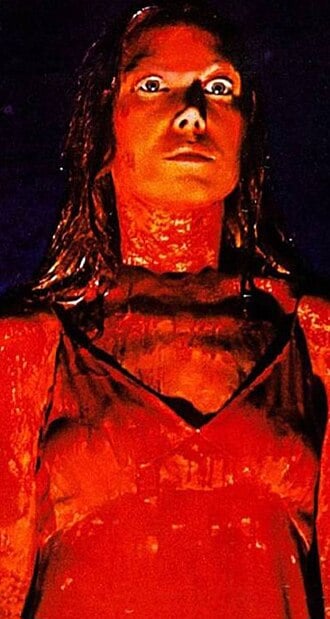
Part of the original film’s enduring appeal, including among viewers who rarely watch horror, lies in its departure from familiar genre conventions. Rather than depicting a mythical monster, the film centers on a human character with supernatural abilities. Rather than relying primarily on jump scares, the film builds suspense through its cinematography, psychological tension, and gradual escalation of horror. The prom sequence required Spacek to be drenched in stage blood, creating one of the film’s most memorable visual moments. The story explores bullying, isolation, religious extremism, peer pressure, and revenge.
From Stephen King’s Novel to the Big Screen
Published in 1974, Stephen King’s debut novel, Carrie, helped establish his career as a horror writer and later became the basis for the film adaptation.
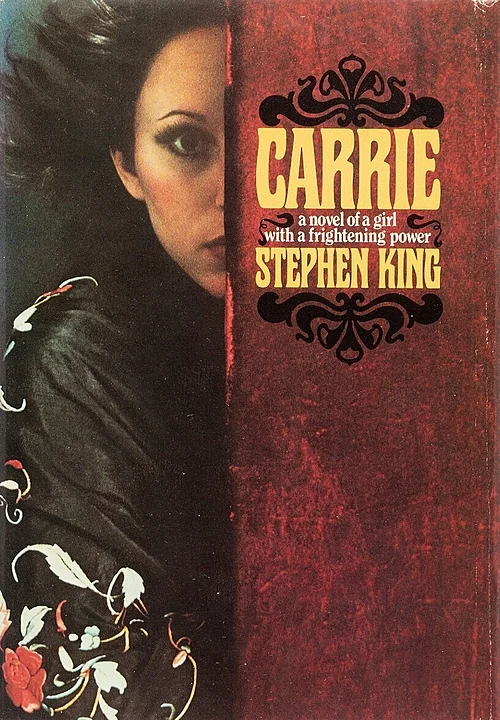
Film director Brian De Palma recognized Carrie‘s potential for a screen adaptation after a friend recommended Stephen King’s debut novel. Producer Paul Monash secured the film rights early on and packaged the project, which ultimately received backing from United Artists. With Monash producing and De Palma directing, the team successfully brought the landmark 1976 horror film to the screen.
De Palma and Monash brought screenwriter Lawrence D. Cohen onto the project to develop the screenplay. De Palma’s input influenced Cohen’s screenplay and helped shape the film’s climactic sequence. Cohen’s original screenplay reportedly envisioned Carrie using her telekinetic powers to cause her mother to suffer a heart attack. The finished film instead features a climactic confrontation in which Margaret White is killed by knives, a sequence that draws on religious imagery.
Bringing Carrie to Life: Casting, Screenwriting, and Production
Sissy Spacek’s portrayal of Carrie remains one of the film’s most celebrated performances. Spacek portrays Carrie’s transformation from a shy, isolated teenager into a prom queen whose brief moment of acceptance gives way to rage and destruction.
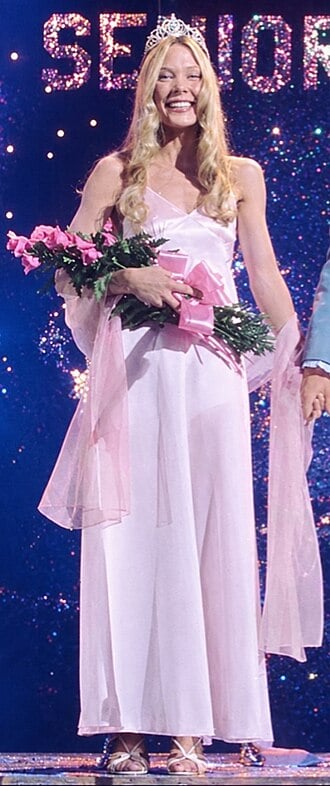
Spacek reportedly kept her distance from the rest of the cast during production to help convey Carrie’s isolation. The blood-soaked prom sequence became one of the film’s most memorable visual moments.
Although Carrie is the central character, her mother, Margaret White, is equally important to the film’s emotional and psychological conflict. Piper Laurie portrayed Margaret White, Carrie’s controlling mother. Laurie’s portrayal of an overbearing, deeply religious mother complemented Spacek’s depiction of Carrie’s shy vulnerability. Laurie’s performance gives Margaret a complex characterization, presenting her as both controlling and deeply committed to her own distorted beliefs.
Released by United Artists in 1976, Carrie became a commercial success and received critical recognition.
The Story Behind the Horror
Carrie opens by introducing a teenager whose life is shaped by cruelty, isolation, and fear. The film introduces Carrie White as a teenager who faces relentless bullying and social exclusion from her classmates.
Carrie’s isolation is reinforced at home by her mother’s rigid religious beliefs, which restrict her independence and shape their troubled relationship.
Amid this psychological trauma, Carrie possesses a supernatural ability: telekinesis.
A cruel prank in the school locker room sets the stage for an even more devastating humiliation on prom night, just as Carrie begins to feel accepted. The humiliation pushes Carrie to unleash her telekinetic powers, causing widespread destruction at the school, including harm to people who did not participate directly in the bullying.
Critical Recognition and the Film’s Original Reception
Released in 1976, Carrie became a box-office success, earning approximately $33.8 million domestically, according to the cited box-office source.
Despite belonging to the horror genre, Carrie received a largely favorable critical response upon its release. Many lauded De Palma’s stylish, suspenseful direction and the film’s deep psychological resonance.
At the 49th Academy Awards, Carrie received nominations for Best Actress for Sissy Spacek and Best Supporting Actress for Piper Laurie. Spacek’s sympathetic portrayal of Carrie and Laurie’s unsettling performance as Margaret White give the film much of its emotional power.
How Carrie Changed the Horror-Film Conversation
The commercial success and critical recognition of Carrie helped demonstrate that horror films could achieve both popular appeal and artistic recognition. The film helped challenge the notion that horror was merely sensational entertainment, demonstrating how the genre could combine suspense, visual artistry, and psychological depth.
De Palma uses split-screen imagery during the prom sequence to show the escalating chaos from multiple perspectives, intensifying the scene’s suspense. The slow-motion shots of the bucket suspended above Carrie heighten the suspense, emphasizing the contrast between her moment of happiness and the impending disaster.
The carefully staged prom sequence demonstrates how pacing and visual composition can build anticipation. By emphasizing Carrie’s brief moment of happiness, the film draws viewers into her experience before transforming the school celebration into a scene of terror.
The Themes That Still Resonate 50 Years Later
Fifty years after its release, Carrie continues to explore themes that resonate with contemporary audiences. The film’s supernatural premise amplifies the social pressures and emotional challenges that can shape high school experiences. Although Carrie’s experiences are extreme, school bullying remains a recognizable part of the film’s real-world relevance. Bullying can contribute to emotional distress, anxiety, depression, and feelings of anger or isolation. Carrie’s telekinetic powers can be interpreted as a supernatural expression of the emotions she has suppressed.
The prom scene represents a major turning point in Carrie’s adolescence and the film’s emotional arc. For many students, prom is a memorable milestone associated with the transition from adolescence to adulthood. Carrie finally experiences a sense of acceptance at prom, but that moment of happiness ends in tragedy. The scene amplifies familiar fears of public humiliation, rejection, and the pressures of growing up.
Bullying can be especially damaging when a teenager lacks a supportive home environment. Margaret White’s religious extremism and controlling behavior deprive Carrie of a reliable source of support at home. Her supernatural powers can be read as a metaphor for the anger and isolation she experiences at school and at home.
Joseph Brenner Associates, Inc. Wikimedia Commons; (public domain in the United States)
Carrie Beyond the Original Film
Stephen King’s debut novel has inspired adaptations across film, television, and theater.
The 1988 Broadway Musical
The Broadway musical adaptation, with a book by Lawrence D. Cohen, became notorious for its troubled production and short run, closing after five performances.
The 2002 Television Adaptation
The 2002 television adaptation starred Angela Bettis and was written by Bryan Fuller. It took a different approach to the source material, changing the ending to allow Carrie to survive.
The 2013 Feature Film Remake
Directed by Kimberly Peirce, this theatrical update starred Chloë Grace Moretz and Julianne Moore. The remake updated aspects of the story for contemporary audiences and used digital effects, while retaining many of the original film’s major story beats.
The 2026 Television Adaptation
Developed by Mike Flanagan, the Carrie television series premiered on Prime Video in October 2026. Starring Summer H. Howell, the series updates the story for the smartphone and social media era, translating the narrative into a viral bullying scandal.
Conclusion: Why Carrie Still Matters
Fifty years after its release, Carrie remains a landmark of horror cinema. De Palma’s combination of visceral horror and human tragedy continues to draw audiences and sustain discussion of the film.
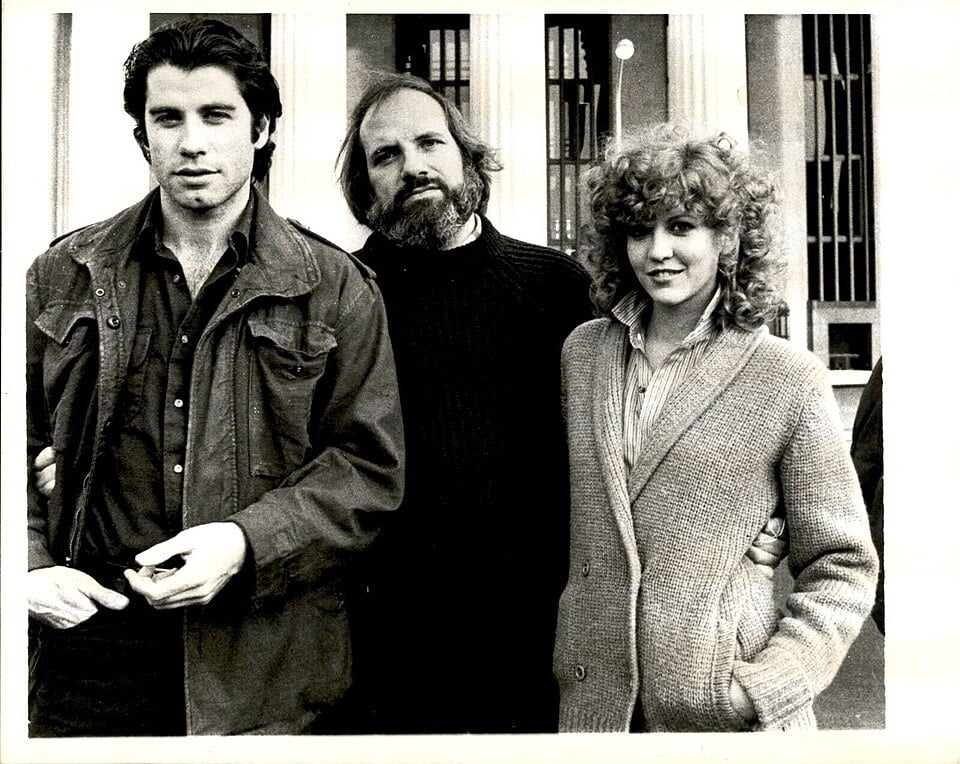
Carrie marked two milestones in Stephen King’s career: it was his first published novel and the first screen adaptation of his work. King has criticized some adaptations of his work while praising De Palma’s Carrie. Spacek and Laurie’s performances remain central to the film’s legacy, as does its exploration of bullying, isolation, and emotional turmoil. Ultimately, Carrie endures because its portrayal of bullying, rejection, and humiliation continues to resonate with audiences decades later.
Sources:
American Film Institute — “Carrie: AFI Catalog Spotlight”
Stephen King’s Official Website — “Carrie”
AFI Silver Theatre and Cultural Center — “Carrie (1976)”
Nielsen — “Top 10: Streaming TV” (Week of October 5–11, 2026)
The Numbers — “Carrie (1976): Box Office and Financial Information”
Rotten Tomatoes — “Carrie: Full Cast & Crew”
Editor’s Disclaimer: This article is intended for informational and entertainment purposes. Interpretations of Carrie (1976) and its cultural impact reflect the author’s analysis of the film and its legacy.
