For generations of Americans, movie criticism had a familiar face. This Gene Shalit obituary reflects on the life and influence of one of the most recognizable critics in American culture.
With his oversized mustache, colorful bow ties, wild hair, and love of wordplay, Gene Shalit became one of the most recognizable figures on television. For more than four decades, he brought reviews of films, books, and the arts directly into the homes of millions of viewers through NBC’s Today Show. In fact, Shalit’s distinctive appearance and long television career made him one of the most recognizable figures in American pop culture.
Shalit died on June 12, 2026, at the age of 100. According to a statement released by his family, he “passed away peacefully” after what they described as an amazing century-long life.
His death marked the end of a career that helped redefine how Americans consumed entertainment criticism and made him one of the most distinctive personalities in television history. His passing prompted widespread tributes reflecting on his career and his approach to criticism.
A Career Built on Criticism and Commentary
Born Eugene Shalit on March 25, 1926, in New York City, he developed an interest in writing at a young age. Long before becoming a television personality, Shalit built a reputation as a magazine writer and critic. He worked as an entertainment columnist for McCall’s magazine and later became a senior film critic for Look magazine. His work also appeared in Ladies’ Home Journal and other national publications.
Those writing credentials eventually opened the door to television.
In 1970, Shalit joined NBC’s Today as a contributor. By 1973, he had become the program’s arts editor and established himself as a regular presence on the morning broadcast.
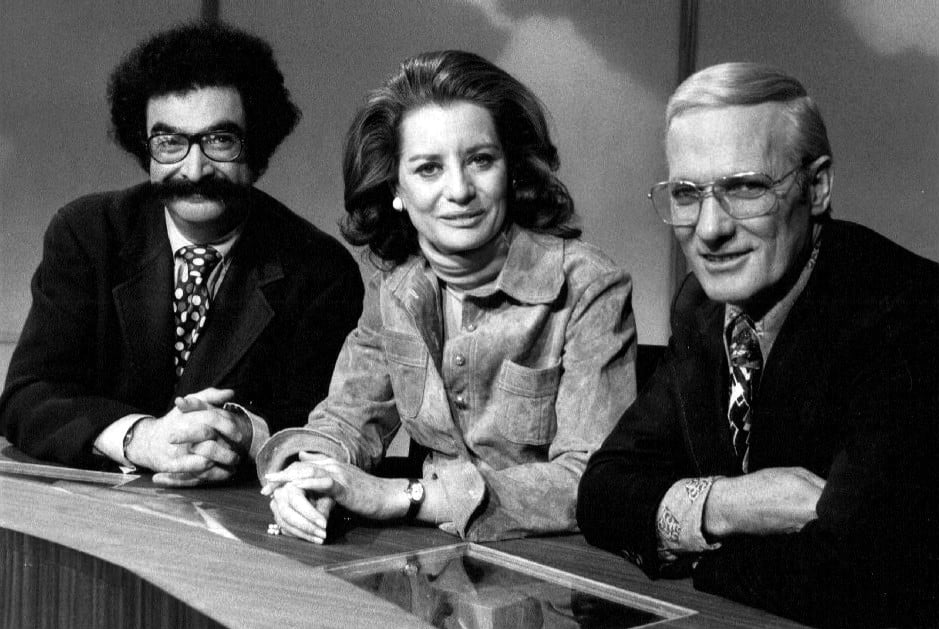
At a time when newspapers and magazines still dominated film criticism, Shalit helped bring reviews to television audiences on a daily basis.
His influence arrived during a period when entertainment journalism was evolving. Critics were no longer limited to newspaper columns. Television viewers increasingly turned to familiar personalities for recommendations about what movies to watch, what books to read, and what cultural events deserved attention.
A Distinctive Voice on Television
Shalit stood out immediately.
His appearance was unlike anyone else’s on television. The distinctive mustache, flamboyant hair, glasses, and colorful bow ties helped distinguish him from other television personalities. However, it was his upbeat personality and energetic delivery that resonated with audiences. His reviews often featured a steady stream of puns that became one of his trademarks.
While many critics adopted a more traditional and academic style, Shalit chose a lighter and more entertaining approach.
He aimed to entertain audiences while also providing thoughtful criticism.
That approach helped him connect with audiences who may never have read a traditional newspaper film review.
Over the years, he reviewed thousands of movies, books, and plays. He interviewed countless actors, directors, and entertainers, becoming one of the most familiar cultural commentators in the United States. Any comprehensive Gene Shalit obituary would note his role in helping bring cultural commentary to television audiences nationwide.
His popularity also turned him into a pop-culture figure.
Shalit was frequently parodied on television, with comedians exaggerating his appearance and love of puns. Yet unlike many public figures, he often welcomed the attention. His distinctive look and sense of humor made him an easy target for satire, but the parodies also reflected how recognizable he had become.
Influence Beyond the Today Show
His influence extended beyond NBC.
Media observers have noted that Shalit’s success reflected the growing influence of television-based criticism during a period when entertainment journalism was evolving beyond print publications. As audiences increasingly turned to television for entertainment coverage, networks expanded their use of on-air critics and commentators.
Even as the media changed, Shalit remained a fixture.
He continued appearing on Today through decades of technological and cultural transformation. He witnessed the transition from classic Hollywood to the blockbuster era, from print journalism to cable television, and eventually to the rise of the internet. Through it all, he maintained the unique style that had made him famous.
In 2010, after approximately 40 years on Today, Shalit retired. By that point, he had become one of the longest-serving personalities in the history of American morning television.
Remembering Gene Shalit’s Legacy
Retirement did little to diminish his legacy.
For many viewers, Gene Shalit represented an era when critics were personalities as much as commentators. He possessed the rare ability to discuss art and entertainment in a way that felt accessible to everyday audiences. His reviews reached people who might never have sought out professional criticism elsewhere.
He also demonstrated that journalism could have personality. In an industry often associated with seriousness and formality, Shalit proved there was room for humor, creativity, and individuality.
When news of his death became public, many tributes focused on the qualities that had defined his career: wit, intelligence, curiosity, and an unmistakable sense of fun.
Many tributes emphasized that audiences responded not only to his distinctive appearance but also to his ability to entertain while discussing culture and the arts.
That combination became the foundation of a television career that lasted generations.
Today, younger audiences may know film criticism through websites, podcasts, YouTube channels, and social media. Yet long before those platforms existed, Gene Shalit was helping bring cultural commentary directly to the public.
Shalit’s appearance was unforgettable. His puns were legendary. Shalit’s influence on television criticism remains significant.
More importantly, he helped make discussions about movies, books, and the arts part of everyday American life.
For millions who watched him over the decades, Gene Shalit was more than a critic. He was a familiar companion in the morning hours, a trusted voice on culture and one of television’s most unique personalities.
Though he is gone, his legacy remains.
Gene Shalit’s contributions to television criticism continue to be remembered by many viewers and colleagues.
Sources:
People — “Gene Shalit, Former Today Show Critic with Iconic Mustache, Dies at 100”
Entertainment Weekly — “Gene Shalit, Today show movie critic, dies at 100”
Vulture — “Gene Shalit, Today Film Critic, Dies at 100”
The Washington Post — “Gene Shalit, ‘Today’ movie critic and purveyor of puns, dies at 100“
Editor’s Disclaimer: This article is part of Presence News’ “Never Forgotten” series, which honors notable individuals whose lives and careers left a lasting impact on society, culture, entertainment, sports, public service, or other fields. Information presented in this retrospective was compiled from publicly available news reports, biographical records, archival materials, and other reliable sources available at the time of publication. This feature is intended as a remembrance of Gene Shalit’s life, career, and legacy and is not affiliated with or endorsed by his family, estate, former employers, or representatives.
