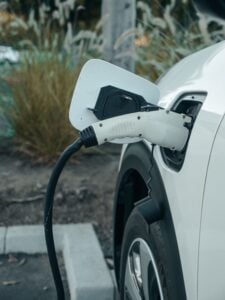
Electric vehicles and global trade are increasingly linked as countries seek to strengthen local economies, reduce reliance on imports, and transition to cleaner transportation. Tariffs, domestic manufacturing incentives, battery production, and supply chain logistics will play major roles in shaping the future of the auto industry. Electric Vehicle Trade Policy will also help determine how quickly consumers can adopt EVs.
The new U.S. trade policy highlights the economy’s close ties to the electric vehicle market. Due to concerns about forced labor in global supply chains, a recent announcement has been made by the U.S. Trade Representative that they plan to implement additional tariffs on imported goods from several countries as of June 2, 2026. This is part of a broader trend toward trade policies aimed at addressing global economic, labor, and strategic challenges. The goal is to also motivate and provide incentives for the United States to manufacture products in the country. These tariffs will affect not only automakers but also manufacturers that rely on global supply chains.
U.S. Trade Representative Jamieson Greer defended the proposal, stating, “The failure of our most important trading partners to address the importation of goods made with forced labor is unacceptable.”
Global Supply Chains and EV Production
Because electric vehicles rely heavily on imported parts and materials, the EV industry is highly sensitive to trade policy changes. All of the parts required to manufacture EVs’ batteries need raw earth minerals: Lithium, nickel, cobalt and graphite. Battery cells are often manufactured in different countries from where vehicles are ultimately assembled and sold. Tariffs, domestic demand, and industry regulations force manufacturers to adapt how they build vehicles to remain competitive.
The Growing Importance of Electric Vehicles
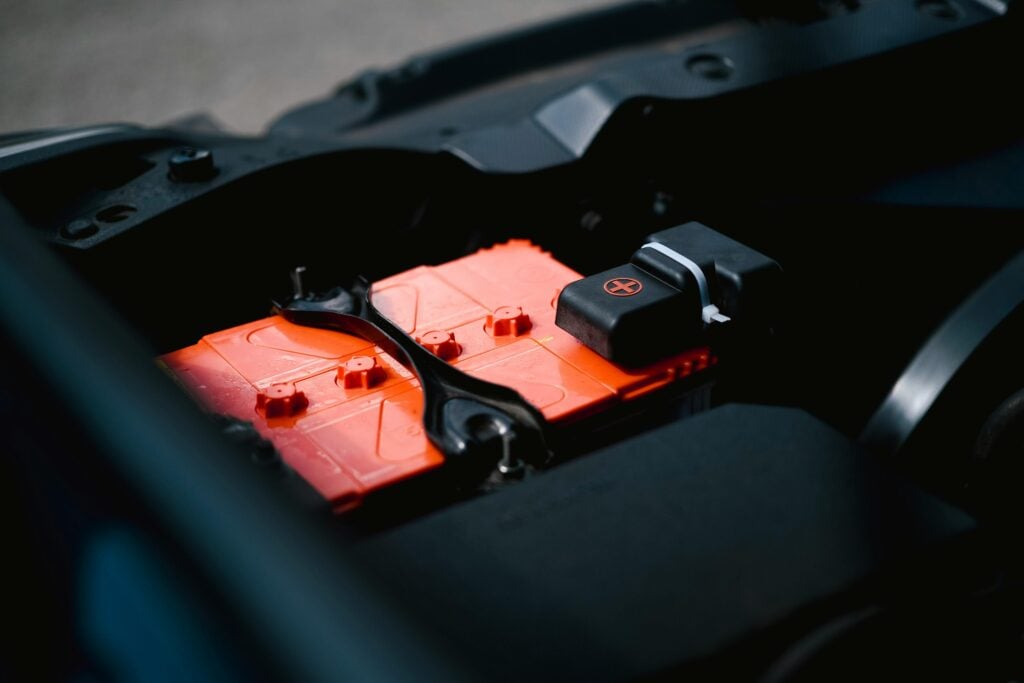
The global transport sectors are quickly coming to rely upon electric vehicles. Battery demand in the energy world reportedly reached a total of nearly 1 TWH during 2024, mostly due to the ongoing growth of electric vehicle sales as identified in the International Energy Agency’s Global EV Outlook 2025. Electric vehicle battery demand has increased enormously over the past few years, which highlights how fast electric transportation has developed throughout the world.
The report notes that “Global battery demand for the energy sector hit the 1 TWh milestone in 2024.”
This event highlights the rapid growth in the battery market, while the significance of battery manufacturing continues to increase with the world’s shift towards electric vehicles.
As per the statistics released by the International Energy Agency (IEA), the demand for batteries will continue to rise throughout this decade. As electric vehicle (EV) adoption increases, both production capacity for batteries and availability of materials used to build them are becoming key economic and strategic factors. The IEA projects that EV battery demand could more than triple by 2030 under current policy trends, underscoring the importance of secure supply chains and sufficient manufacturing capacity.
At the same time, battery production remains concentrated in a relatively small number of countries. While other regional governments (North America and Europe) are making large investments into developing their domestic production capacity, which has led those regions to see battery cell manufacturing as not only an economic opportunity but also as strategically important, China’s control of battery cell production capabilities has influenced this view of battery cell production within their regions.
Trade Policy and Supply Chains
One significant aspect of Electric Vehicle Trade Policy is that it influences where EVs and EV components are produced throughout the world. A major way tariffs can influence international trade is by raising the cost of imported products. For example, tariffs have also been used to stimulate domestic production of goods, some supporters of tariffs have argued that they create jobs and support U.S. manufacturing through reducing the U.S. reliance on foreign suppliers.
Critics argue that tariffs can raise the costs for both manufacturers and consumers. Since the EV supply chain is international, a country’s tariff will impact all stages of manufacturing from acquisition of raw materials to production of the completed cells. Tariffs will lead to increased costs in EV supply chains, which will ultimately show up in the price of EVs.

The recent U.S. tariff proposal demonstrates how trade policy can extend beyond traditional economic considerations. Concerns about forced labor have prompted policymakers to tie together both trade policies and labor standards and accountability along the supply chain. This means that some policies can make firms accountable for tracking down (more closely) their sources of materials and/or how their materials and products were made.
For the EV industry, these considerations are especially important because battery supply chains involve multiple stages of production that often cross international borders. Manufacturers increasingly face pressure from governments, investors, and consumers to ensure transparency and compliance throughout their supply networks.
North American Competitiveness
Electric Vehicle Trade Policy affects the competitive position of North American manufacturers as well. According to a Brookings analysis, North America’s integrated automotive ecosystem provides significant economic benefits. Beyond creating jobs and investment, continued cooperation could strengthen North America’s position in the global EV market.
According to a Brookings report, North America’s EV competitiveness will depend on continued investment in manufacturing, supply chains, and research. As countries invest heavily in EV manufacturing, North America must maintain momentum to capture the economic benefits of electrification.
Brookings argues that “There is too much at stake, and decisive action is needed to fully realize the potential of the investments made so far and ensure a place for North America in this competitive race.”
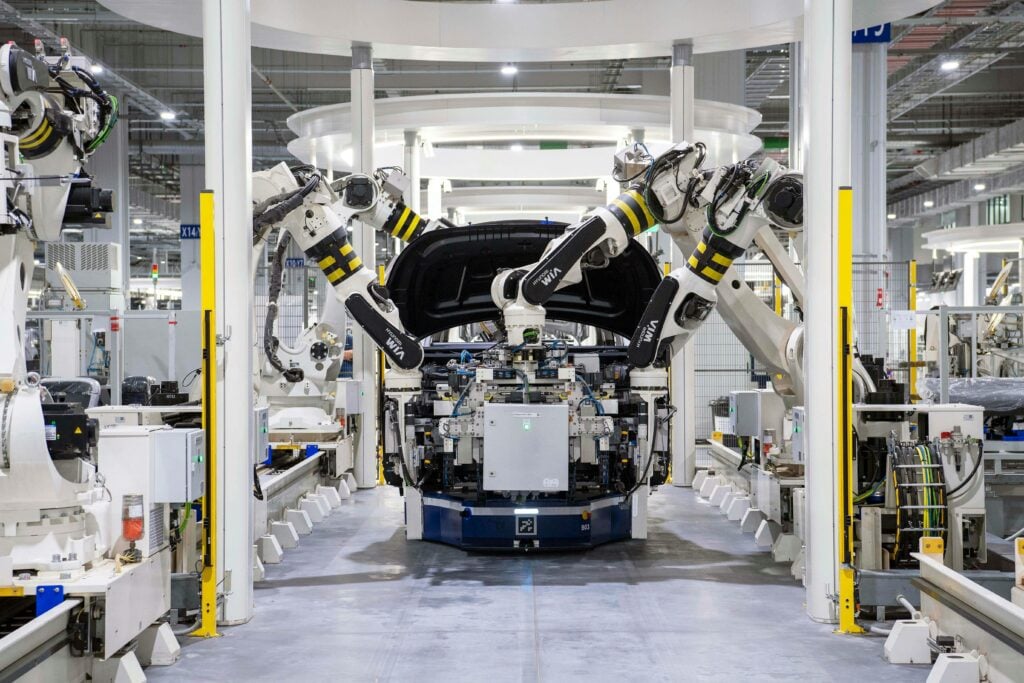
The problem goes far beyond vehicle assembly. Battery production, mineral processing, charging station infrastructure, and R&D all make up the larger EV ecosystem. Lawmakers are beginning to categorize all of these industries as “strategic industries” that have the potential to affect the long-term economic growth of the country.
How Automakers Are Responding
Automakers have modified their strategies based on both changing conditions in the marketplace and changes in government policies. As an example, Ford Motor has made public its intent to create profitable growth while continuing to invest in electric vehicle technologies such as electric vehicles, hybrids, battery storage devices, and electric vehicle charging infrastructure.
Describing the company’s evolving strategy, Ford President and CEO Jim Farley stated, “This is a customer-driven shift to create a stronger, more resilient and more profitable Ford.” This comment reflects Ford’s efforts to balance supplier demands, profitability, and long-term electrification goals.
The current strategy by Ford reflects a much larger trend that exists in the automotive marketplace. EV sales have continued to grow rapidly, but there are major challenges with affordable EVs, EV infrastructure, and building a large consumer base for EVs. Many automakers are expanding their EV lineups while seeking higher profits and simpler manufacturing processes.
The company has also highlighted the importance of battery technology and domestic manufacturing investments. This initiative will strengthen supply chains and reduce vulnerability to global market disruptions. Manufacturers now operate in a complex environment where policy decisions affect costs, investment, and competitiveness.
The ongoing evolution of trade policies will result in ongoing adjustments to automakers’ sourcing tactics and their manufacturing plans.
Industry Trends and Market Outlook
Industry data indicate that the EV market continues to expand despite economic uncertainties. According to the Alliance for Automotive Innovation, EV adoption, charging infrastructure, and investment by automakers and governments continue to grow. Automakers are expanding their EV offerings while governments continue promoting EV adoption.
At the same time, Electric Vehicle Trade Policy is becoming increasingly important as competition within the global EV market intensifies. Manufacturers in China, Europe, and North America compete for market share as governments seek to boost investment and domestic production.Trade policy has therefore become an increasingly important factor in determining where future manufacturing facilities and supply chains are located.
According to the IEA, government efforts to develop independent battery supply chains have reduced reliance on geographically concentrated sources of battery components. The IEA believes this will drastically alter the structure of the global battery supply chain in the next 10 years.
Looking Ahead
Electric vehicle trade policy is expected to grow in importance as EV adoption increases worldwide.
Policymakers must balance economic goals, supply chain stability, labor concerns, and environmental priorities.
Consumers will feel the effects of these policies through vehicle prices, availability, and industry innovation. In the same vein, the manufacturers will depend on trade policy in decisions of procurement, investments, and production.
The EV sector will play a pivotal role in shaping industrial trade policy. Future manufacturing, energy production, and transport conversations will revolve around the implementation of EVs. These discussions will influence where EVs are built and how quickly they are adopted.
Sources:
Reuters — “US cites forced labor concerns as grounds for new tariffs”
International Energy Agency — “Global EV Outlook 2025 Electric vehicle batteries”
Alliance for Automotive Innovation — “MARKET REPORTS”
Editor’s Disclaimer: This article is intended for informational and educational purposes only. It examines publicly available information regarding electric vehicles, trade policy, supply chains, and manufacturing trends. The article does not constitute financial, investment, legal, or policy advice. Readers are encouraged to consult original sources and official government publications for the most current information regarding trade regulations and industry developments.
