
For many years, horse racing culture prioritized performance over horse health. People prioritized horses that ran faster, jumped higher, raced farther, or produced valuable offspring over the animals’ individual welfare.
Wearables, AI gait assessments, stress-monitoring tools, and behavioral research are helping shift the industry toward prevention, mental health, and long-term wellness rather than immediate competitive advantage.
By 2026, debates surrounding equine welfare are likely to become far more visible across the horse industry.
The “Horse First” movement is driving ethical and technological changes in how horses are trained, monitored, and cared for across the equine industry.
The Shift Toward Horse-First Care
Science and public pressure have driven change in the horse industry in recent years. Rising awareness of animal cognition, equine injuries, and Olympic equestrian debates has increased concern for animal welfare.
At the same time, new technologies and diagnostic tools for trainers and veterinarians have emerged over the last decade.
What is emerging is a fundamental change in philosophy: success is increasingly being defined not simply by performance, but by sustainability, safety, and quality of life for the horse.
How AI and Wearable Technology Are Changing Equine Care

Photo by Tima Miroshnichenko via Pexels
Pexels Image Page
Pexels License
A clear example of advanced technology in horse racing is the AAEP’s new wearable sensor program, designed to detect potential musculoskeletal injuries in racehorses before they become catastrophic.
The research study shows a significant growth trend for Predictive Medicine. These technologies can detect and diagnose injuries and illness before physical changes (e.g., weight or balance) appear in an animal’s history. Veterinarians and researchers use these systems as early warning tools to help prevent unnoticed injuries.
The AAEP described the research initiative as a “transformational opportunity to further protect the health of our equine athletes,” signaling how dramatically veterinary priorities are shifting toward prevention and long-term well-being.
Wearable Sensors and Predictive Monitoring
Technology has become more advanced than ever before. Known for fitness wearables and GPS devices, Garmin has expanded into equine technology with the Blaze Equine Wellness System, which tracks heart rate, stress, recovery, and activity. Like wearables in human sports, these tools help monitor workload and prevent overtraining by tracking stress through sensors.
To promote widespread adoption of AI-powered equine monitoring systems, Equimetrics and other firms are doing likewise. Biomechanical data from the horse is collected and analyzed as it performs during both exercise and training sessions.
By tracking movement consistency and stress during training, trainers and veterinarians can identify issues such as fatigue, imbalances, or injuries before they worsen or affect competition.
Garmin’s Blaze Equine Wellness System similarly markets itself around helping owners “see what they can’t tell you,” reflecting the growing emphasis on identifying stress, fatigue, and potential health problems before they become serious injuries.
The Growing Science of Equine Welfare
Scientific research increasingly supports the need for that approach. Studies show that intense training and competition can cause significant physiological stress in racehorses and endurance horses. Optimal monitoring and welfare-based management are essential to reduce long-term harm and improve equine welfare.
Equine welfare research is continuing to be directed towards emotional and cognitive welfare, rather than just physical health.
Researchers argued that modern horse care “extends beyond physical care to include understanding of the emotional states of horses,” reflecting a broader shift in how welfare itself is being defined.
That shift reflects broader changes occurring throughout animal care industries. Concepts once considered niche — enrichment, stress reduction, emotional regulation, and humane training methods — are becoming mainstream expectations.
Public Pressure and Ethical Debate

Photo by Bence Szemerey via Pexels
Pexels Image Page
Pexels License
Public attitudes are changing as well.
After several incidents in international competition, debate has intensified over the ethics of horses participating in elite-level sports amid commercial pressures.
A 2024 article in The Guardian highlighted growing calls from activists and animal welfare advocates who argue that horses “do not choose” participation in sport and remain vulnerable to exploitation within performance-driven systems.
The equestrian community has had to respond much more forcefully to the growing number of complaints regarding the welfare of horses. New rules have been put into effect to place stricter veterinary procedures, create new training regulations, and have greater oversight of horses’ treatment while competing and in the barn before and after a competition.
Critics argue that those reforms still do not address the central ethical question surrounding equestrian competition itself. As one animal welfare advocate told The Guardian, “These horses don’t care about gold medals, they don’t choose to participate.”
Can Technology Truly Improve Horse Welfare
Skepticism is still relevant because it calls into question if “horse-first” care is true reform or just a different way to market horses. If there are competitive systems that reward overworking horses and putting too much physical stress on them, then using technology will not improve horse welfare. Some believe that wearable sensors and AI used in horse care may be used to extend an athlete’s career instead of preventing injury. People also worry about horse welfare branding masking core breeding practices, transport stress and how much an elite horse is worth on the market.
Those concerns underscore an important reality: the horse-first movement is still evolving, and not everyone agrees on what true welfare reform should look like.
What New Research Says About Horse Intelligence
Still, scientific discoveries about equine cognition are adding momentum to the welfare conversation. In a recent study, researchers published their findings in The Guardian, which documented evidence that horses may have an ability to develop more complex strategies and plans than previously thought. These findings contribute to growing research suggesting horses demonstrate complex cognitive, social, and behavioral abilities beyond what earlier training philosophies often recognized.

Photo by DreamsColor Media via Pexels
Pexels Image Page
Pexels License
Historically, behaviors such as resistance, anxiety, or refusal were often viewed primarily as discipline problems. Behavioral scientists in today’s world are increasingly framing the responses as a form of communication, whether it be stress, discomfort, confusion, or fear. This has led to the adoption of a less punitive method of training by trainers and owners and more emphasis placed on building a trusting relationship, understanding behavior, slowing down the pace, and handling horses in less stressful ways.
Modern barns increasingly include welfare factors such as turnout time, social interaction, environmental enrichment, and mental recovery in conditioning programs.
How Younger Generations Are Reshaping Horse Culture
The influence of younger horse owners is also shaping the trend. Millennials and Gen Z riders often approach animal care through the lens of wellness culture, sustainability, and ethical consumerism. There is a growing trend of trainers and owners moving away from traditional dominance-based training to evidence-based animal welfare practices. The change in culture associated with animal training has been accelerated with the advent of social media. Videos of animal punishment often spark immediate backlash, while trainers promoting humane handling, enrichment, and injury prevention gain large social media followings.
Why the Equine Industry Is Under Pressure to Change
Economic incentives are shifting as well.
The horse industry faces increasing pressure to maintain public trust, particularly in racing and elite sport. Sponsors, spectators, and governing organizations understand that public tolerance for visible equine suffering has declined dramatically. Welfare failures now carry reputational consequences capable of affecting entire organizations.
In that environment, horse-first care is not only an ethical issue but a business issue.
That reality explains why investment in equine welfare technology has accelerated so rapidly.
Wearable sensors, predictive analytics, AI diagnostics, and real-time biometric monitoring aim to modernize the industry and address growing public concern.
Even with rapidly advancing technology, specialists stress that AI and monitoring systems should support—not replace—the judgment of veterinary experts in managing animal welfare. Technology can identify behavioral anomalies, but experienced veterinarians and trainers must interpret what they mean for each animal.
The Future of Horse-First Care
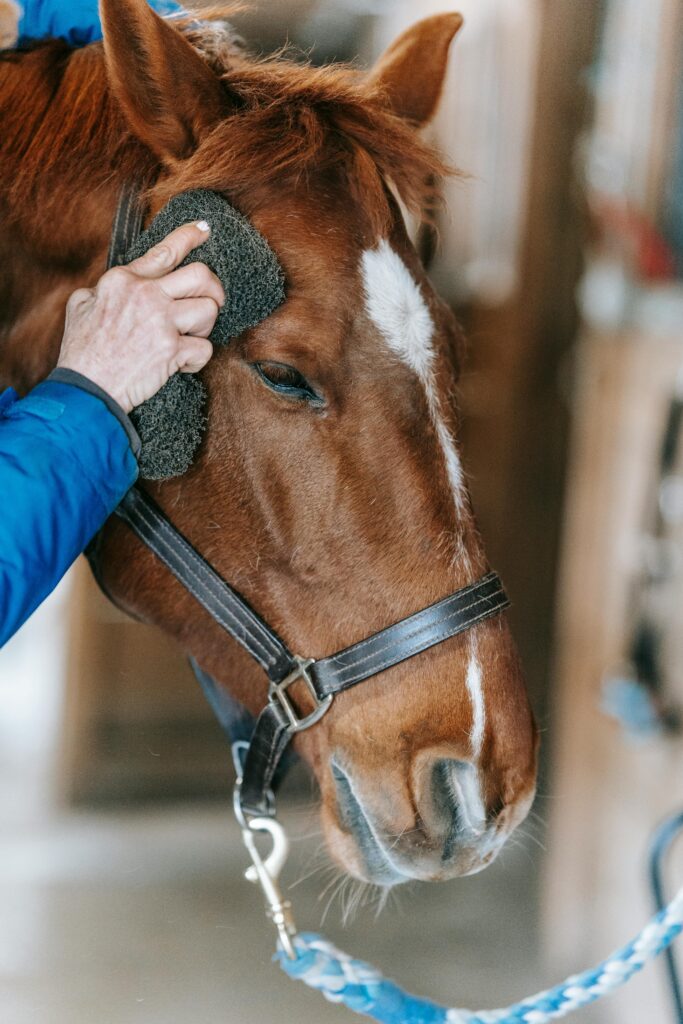
Photo by Barbara Olsen via Pexels
Pexels Image Page
Pexels License
Ultimately, horse-first care is more than just implementing technology. It represents a shift in how culture defines our interactions with working or competitive animals.
For generations, horses were valued primarily for utility, performance, and economic contribution. A new welfare-centered framework appears to be emerging across the industry. Welfare, emotional well-being, and injury prevention are now central considerations in most equestrian activities. The degree to which the equestrian world will fully achieve these goals is not yet clear. Many critics question whether horses in competitive sports can truly experience welfare-based care amid financial and institutional pressures to perform.
Despite skepticism, the equestrian world has materially improved animal welfare through predictive veterinary care, humane training, and behavioral science.
The horse-first era is no longer a fringe philosophy. It is rapidly becoming the standard by which the future of equestrian sport and horse care will be judged.
Sources:
The Guardian — “Horses can plan ahead and think strategically, scientists find”
Garmin — “Garmin unveils the Blaze equine wellness system”
Editor’s Disclaimer: This article is intended for informational and editorial purposes only. It discusses emerging trends, technologies, and public debates related to equine welfare and competitive horse sports based on publicly available reporting, research, and industry commentary. References to organizations, technologies, studies, and viewpoints do not constitute endorsements by Presence News. Readers should consult qualified veterinary professionals, researchers, and official industry sources for specific medical, scientific, or regulatory guidance regarding equine care and welfare practices.
