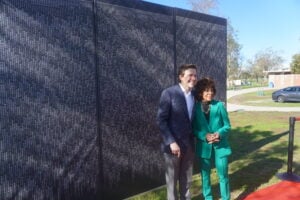
TORRANCE, Calif. — Community members, elected officials, and Japanese American families gathered at Columbia Park on Monday, November 23, for the groundbreaking ceremony of the World War II Japanese American Incarceration Monument. This project honors approximately 126,000 people of Japanese ancestry who were forcibly removed from their homes and incarcerated by the United States government during World War II.
Presence News reporter Maria Cornejo was on-site at Columbia Park to document the groundbreaking ceremony. She also spoke with members of the community and participating officials.
The ceremony took place at Columbia Park, located at 4045 190th St. in Torrance, California. Over 300 people came to the event to remember the historic project. In addition, they celebrated the efforts to secure a permanent home for remembrance.
The monument memorializes the lives of Japanese Americans impacted by incarceration during the war. It also serves to educate future generations on this aspect of American history.
Community Leaders Gather for Groundbreaking Ceremony
The ceremony brought together U.S. Representative Maxine Waters, U.S. Representative Ted Lieu, California State Assemblymember Al Muratsuchi, Torrance Mayor Sharon Kalani, and former Assemblymember and Torrance City Councilmember George Nakano. Also present were Consul General of Japan in Los Angeles Kosei Murota and members of the monument’s advisory committee.
Family members and community representatives also participated in the ceremony.
Former Torrance City Councilmember and California State Assemblymember George Nakano, who experienced Japanese American incarceration during World War II, shared personal reflections about his family’s experiences.
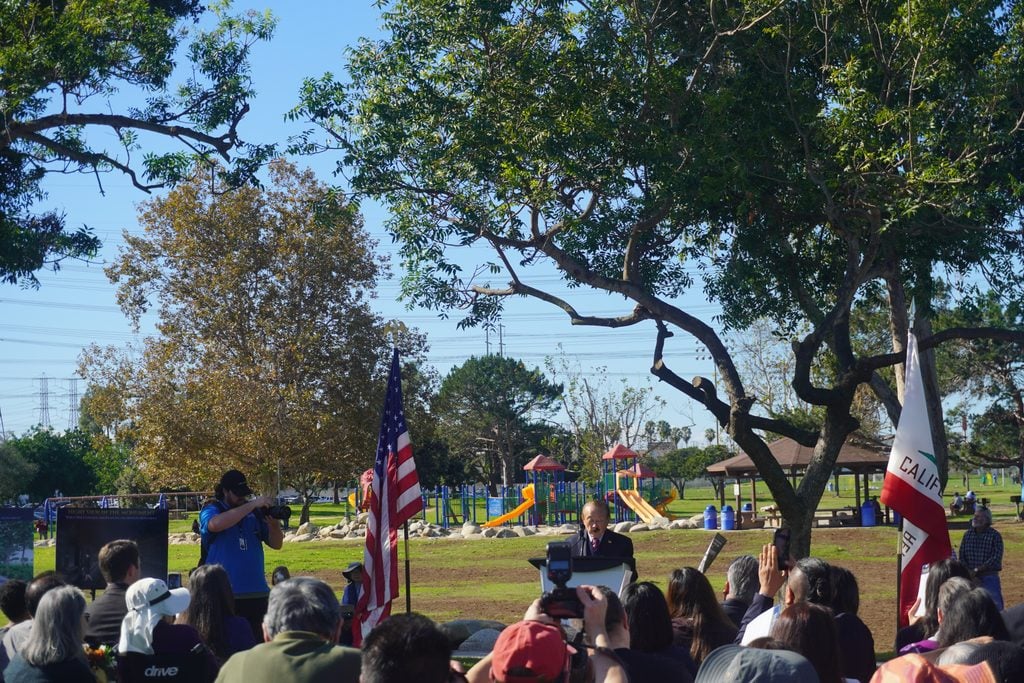
His involvement provided a living link to the history the monument seeks to commemorate.
U. S. Rep. Maxine Waters also spoke to the crowd, reading a statement regarding the wartime incarceration experience.
Family Members Remember Dr. Kanji Sahara
Several emotional moments during the ceremony included when granddaughters Kristen, Kaitlyn and Nicole Tang, of the late Dr. Kanji Sahara, spoke about their grandfather.
Sahara, a longtime Torrance resident and survivor of Japanese American incarceration, helped envision the monument. In addition, he worked to advance the project.
His granddaughters spoke about his legacy and the importance of continuing his efforts to preserve Japanese American history.
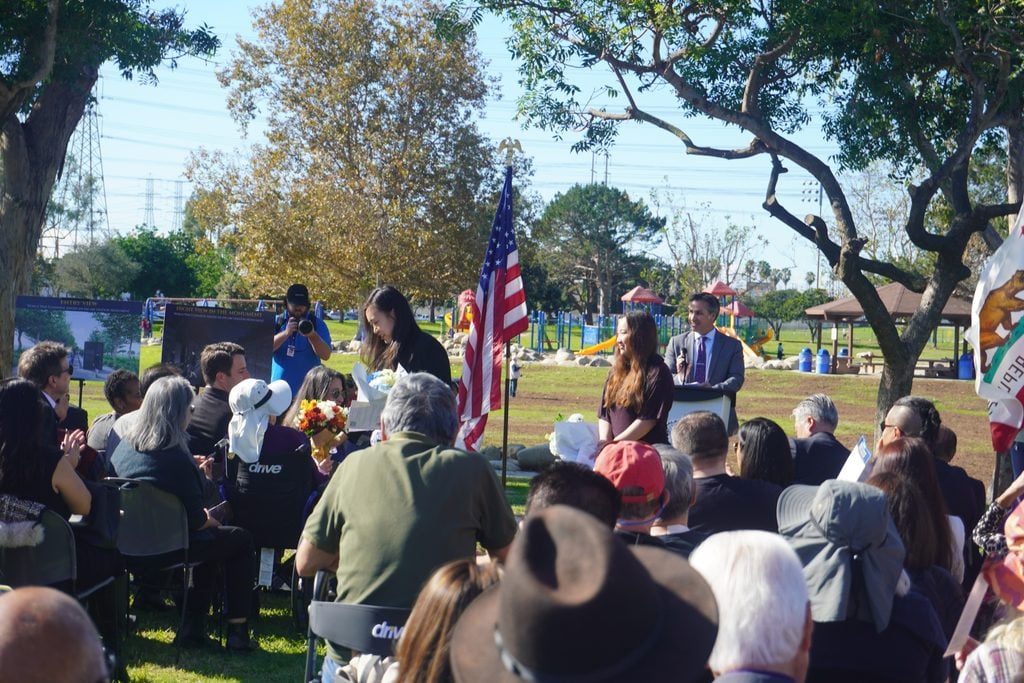
Sahara died in 2025 before the groundbreaking ceremony.
His granddaughters continued his legacy by sharing his story. They also emphasized the importance of preserving Japanese American history for future generations.
The City of Torrance recognized Sahara as an early champion of the project. His determination helped establish the foundation for the memorial.
Monument Design Will Preserve Approximately 126,000 Names
The monument will feature 264 panels displaying approximately 126,000 names of Japanese Americans who were incarcerated during World War II.
The project will have name walls built in black granite, educational display panels, and accessible areas for visitors to stop. Visitors will be able to consider the history being marked.
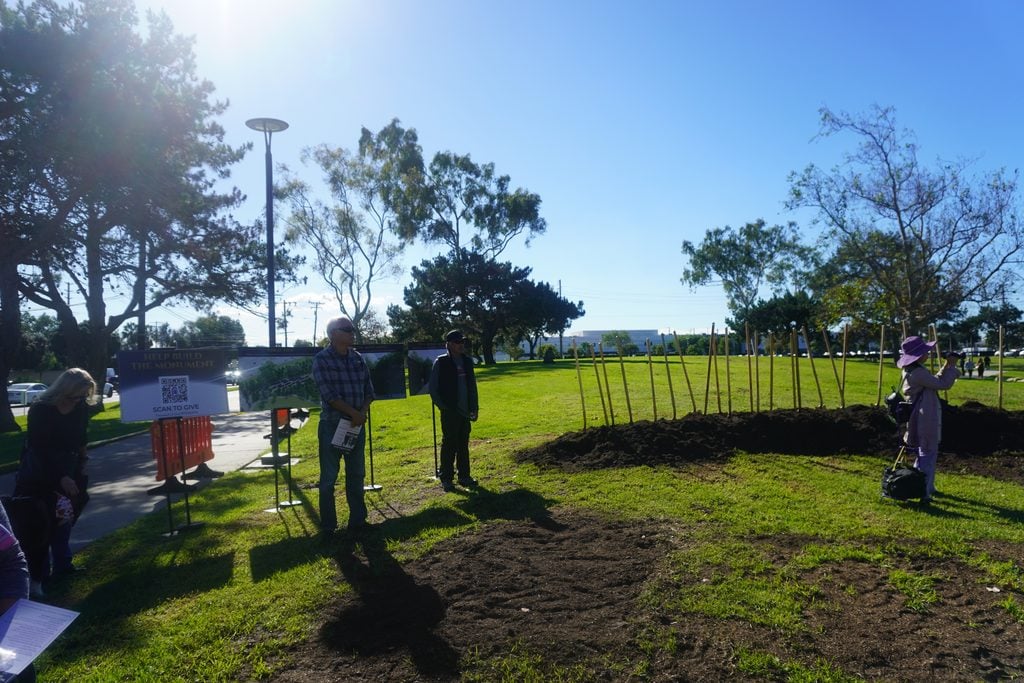
Sample panels and a project display were available at the ceremony for members of the public to view. This allowed people to experience aspects of the proposed monument.
The Irei Project, which documents and honors individuals who experienced incarceration, is also contributing to the effort. Their work will help to preserve these identities and stories.
The memorial will serve as more than a monument. It will be a space where family members, students, and visitors to the memorial will be able to learn about the experiences of Japanese Americans. Visitors will also learn how government actions affected Japanese American families and communities.
Funding Supports Monument’s Development
Funding is backing the monument project now that work is underway.
The project received $5 million in state funding secured by California Assemblymember Al Muratsuchi.
Additionally, the Japanese American Citizens League announced a separate $5 million donation commitment from an anonymous private donor on November 22. This was one day before the groundbreaking ceremony.
The City of Torrance continues fundraising efforts to support the monument’s completion.
The fundraising effort reflects the financial commitment required to establish a permanent monument and educational space honoring Japanese American history.
Officials and Families Participate in Ceremonial Groundbreaking
After the ceremony, elected officials, community stakeholders, and the Sahara family joined the ceremonial groundbreaking.
Elected officials, community members, and family representatives took turns using ceremonial shovels to break ground at the monument’s construction site.
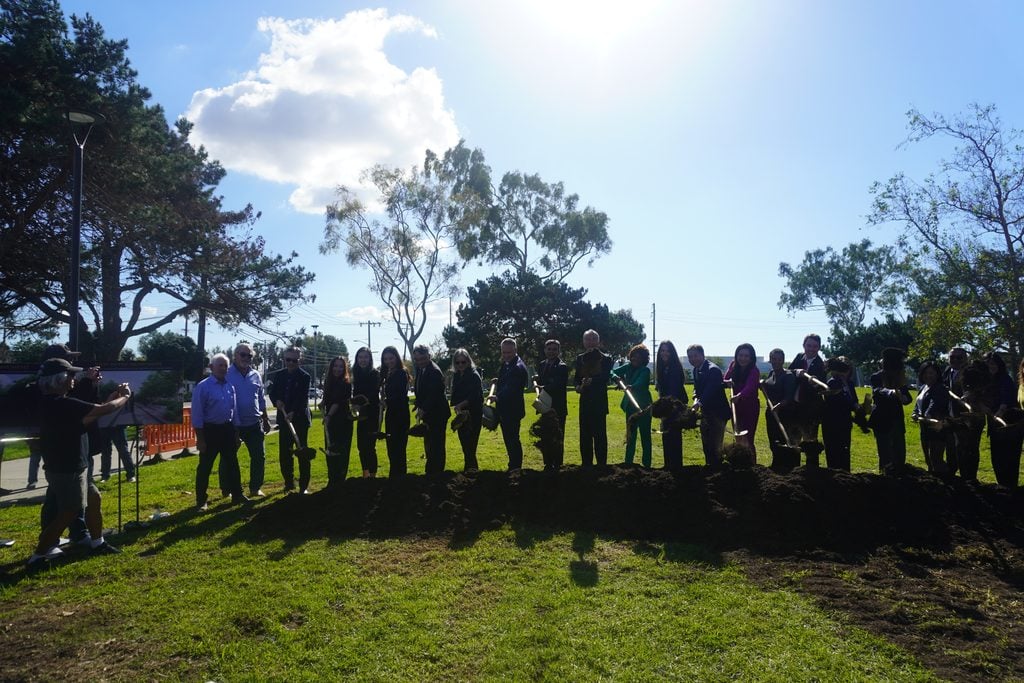
The event united members of different generations and backgrounds around a commitment to remembrance.
For families of the Japanese American incarceration, the project is a chance to record the histories of family members and community members. Many stories may have otherwise gone undocumented.
Preserving History for Future Generations
A monument commemorating the internment will be located at Columbia Park in Torrance.
The project is scheduled for completion in 2028.
Once completed, the monument will honor those affected by wartime incarceration. It will also educate future generations about American history, civil liberties, and the importance of protecting the rights of all communities.
The November 23 groundbreaking marked an important milestone for the project and for the families and community members. These are the people who have worked to ensure that this history is not forgotten.
Sources:
Japanese American Citizens League – Weekly Digest: November 17, 2026
Editor’s Disclaimer: This article is based on on-site reporting by Presence News and publicly available information from the City of Torrance and other cited sources. Coverage of elected officials, public figures, and their participation in this event does not constitute an endorsement or opposition to any individual, political party, political position, or ideology. This article is intended solely to provide factual information about the groundbreaking ceremony and the historical significance of the World War II Japanese American incarceration monument. Details regarding construction, funding, and projected completion are subject to change as the project progresses.
