LOS ANGELES, Calif. — As California moves toward the 2026-2027 winter season, strengthening El Niño conditions are raising questions about what residents could experience in the months ahead. The climate phenomenon could impact weather patterns around the state.
El Niño can contribute to increased rainfall across parts of California, while active winter storms can also bring coastal flooding, larger waves and an increased risk of mudslides.
Ryan Kittell of the National Weather Service in Los Angeles spoke one-on-one with Presence News reporter Maria Cornejo about El Niño. During the interview, Kittell discussed the development of the climate pattern and its potential effects on California communities.
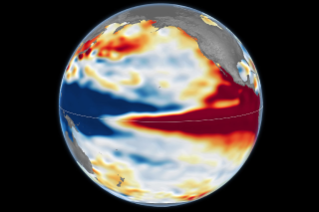
Kittell explained that El Niño is a phenomenon associated with warmer-than-average ocean temperatures in the equatorial Pacific Ocean and waters off the coast of South America. These changes in ocean temperatures can affect atmospheric conditions. As a result, they impact weather patterns in various parts of the world.
As California approaches winter, the developing climate pattern could contribute to more active weather conditions.
“More active winters with increased rain and frequent storms,” Kittell said when describing the potential effects.
However, El Niño does not mean that every storm or rainfall event in California is directly caused by the phenomenon. Its effects vary depending on the strength of the climate pattern and other atmospheric conditions.
Coastal Communities Face Potential Flooding and High Surf
Along California’s coastline, increased rainfall and stronger surf can create additional concerns for residents, businesses and visitors.
Kittell explained that changing ocean conditions can contribute to higher water levels and increased coastal hazards.
“Higher water levels lead to coastal flooding concerns and larger surf,” he said.
These conditions can affect coastal communities throughout Southern California, including Manhattan Beach and Hermosa Beach.
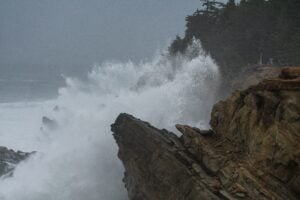
On Saturday, November 14, high surf conditions prompted temporary closures of the Manhattan Beach and Hermosa Beach piers. Although individual surf events cannot necessarily be attributed to El Niño, the closures highlighted the coastal hazards that can accompany powerful ocean conditions.
Rough surf can make swimming, surfing, and other beach activities dangerous for residents and visitors.
Kittell’s comments underscore the importance of following weather warnings and safety guidance from local authorities during hazardous ocean conditions.
Preparing California Communities for Winter Weather
As the holiday season approaches, this is a good time for California residents to review winter weather safety practices and prepare for potential storms.
Properly placed sandbags can help protect properties from certain types of localized flooding. Check guttering and drainage systems and take a look at the roof to spot any maintenance issues before the rain arrives.
Keeping emergency supplies available, monitoring weather forecasts and preparing for possible power outages can also help households respond to severe weather.
Residents in hillside communities, areas affected by wildfire burn scars and floodplains should remain alert for potential flooding, landslides and debris flows during periods of heavy rainfall.
In areas affected by wildfires, periods of heavy rainfall can increase the risk of mudslides and debris flows, particularly where vegetation loss and altered soil conditions leave hillsides more vulnerable.
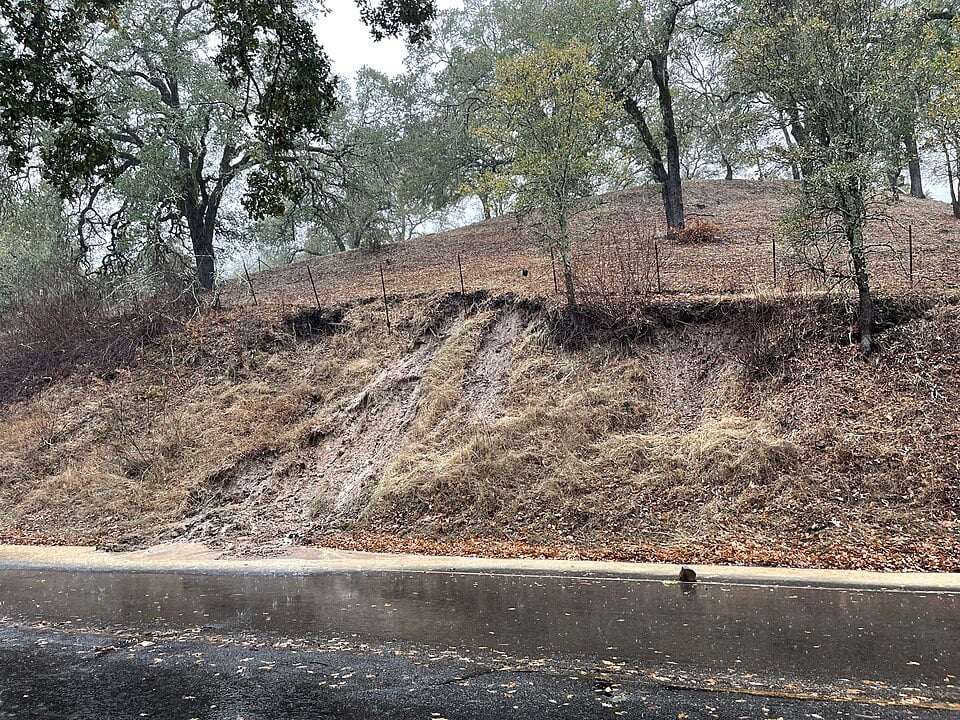
Areas affected by recent wildfires can face increased risks of flash flooding and debris flows because burned vegetation and altered soil conditions can make hillsides more vulnerable during heavy rainfall.
For California residents, winter preparation can be as simple as keeping raincoats and umbrellas available or taking additional precautions against prolonged rainfall, flooding, and changing coastal conditions.
Understanding the Science and History of El Niño
During the interview, Kittell also discussed the science behind El Niño. He explained how meteorologists examine historical weather information when preparing seasonal forecasts.
El Niño develops as part of the El Niño-Southern Oscillation. This is a naturally occurring climate pattern involving changes in ocean temperatures and atmospheric conditions across the tropical Pacific.
Scientists monitor ocean temperatures and key atmospheric indicators to identify changes in the climate pattern. These observations help meteorologists determine whether El Niño conditions are developing, strengthening, or weakening.
Historical data allows meteorologists to compare current El Niño conditions with previous events and evaluate how similar patterns may influence weather.
Depending on where you are in the state, storm totals and rainfall amounts can vary greatly. Therefore, the winter weather forecast for California can be challenging.
In Southern California, precipitation can vary significantly between coastal communities, inland areas, and mountain regions.
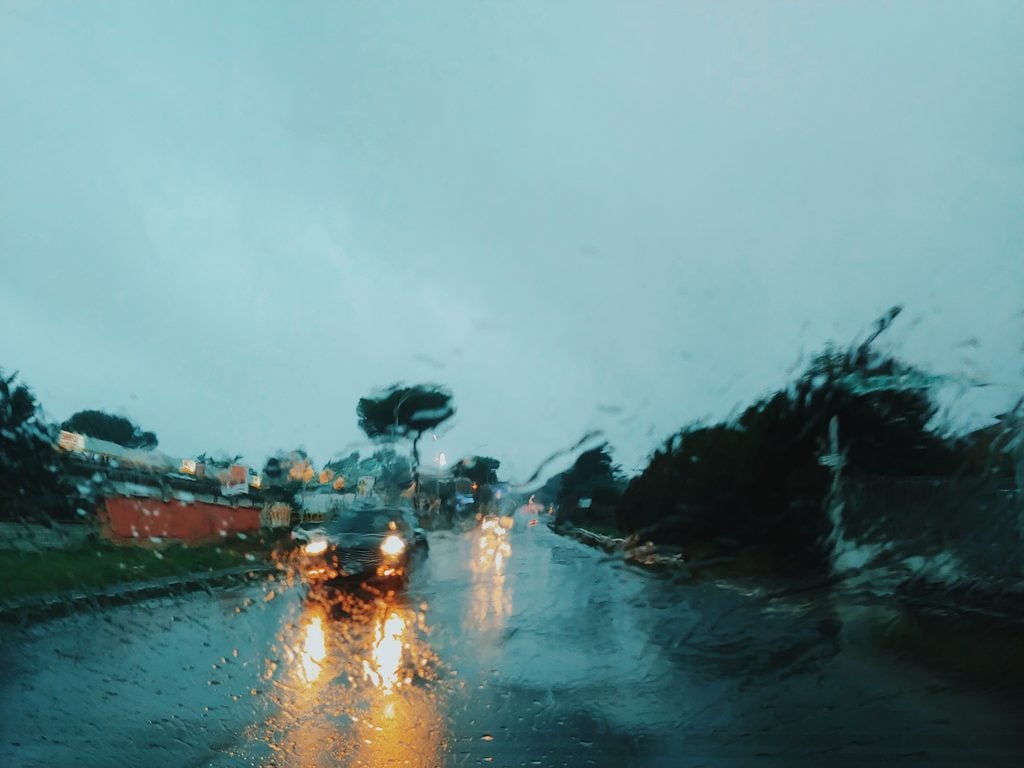
Increased rainfall can also create hazards for transportation infrastructure, including roads, coastal pathways and bicycle routes. Rain-related flooding can make travel extremely dangerous, particularly in areas prone to flooding.
What California Residents Can Expect
As California heads deeper into the winter season, El Niño remains an important factor for meteorologists monitoring potential changes in weather patterns.
Increased rainfall, potential coastal flooding, larger surf, and mudslide risks are among the hazards residents may encounter during periods of active winter weather.
For residents living along the California coast, these conditions could disrupt daily activities. There could also be effects on people’s access to beaches and even on local traffic.
Although seasonal forecasts cannot predict the exact timing or location of individual storms, residents can prepare for severe weather by monitoring updates from the National Weather Service. They should also adhere to local emergency protocols.
For California communities, understanding El Niño is an important part of preparing for the possibility of a wetter and more active winter season.
Sources:
National Oceanic and Atmospheric Administration (NOAA) – Understanding El Niño and ENSO
One-on-one interview with Ryan Kittell, National Weather Service
NOAA – El Niño Looms Large Over U.S. Winter Outlook (October 15, 2026)
Editor’s Disclaimer: This article is based on a one-on-one interview conducted by Presence News with Ryan Kittell of the National Weather Service in Los Angeles, along with publicly available information from the National Oceanic and Atmospheric Administration and other reporting sources. El Niño-related seasonal forecasts describe potential weather patterns and are not guarantees of specific weather conditions. Readers should consult the National Weather Service and local authorities for the latest weather forecasts, advisories and safety information.
