NEW YORK CITY — Residents and visitors recognize New York City for its towering skyscrapers, busy streets and crowded neighborhoods. But the five boroughs also have a diverse wildlife population beyond their concrete canyons. This includes birds that many residents rarely see.
Among them are American barn owls, elusive, nocturnal birds that have become an ever-more important part of the conversation about wildlife conservation in the region.
In October 2026, a family of barn owls made a splash when they nested inside a rooftop water tower on Manhattan’s Upper West Side. The find was particularly remarkable. Researchers considered the discovery the first recorded instance of barn owls nesting in Manhattan in modern times.
The family consisted of two adult owls and five young. They attracted birdwatchers, photographers, and inquisitive residents hoping to catch a glimpse of the unusual visitors. However, the construction work disturbed the birds’ nesting site. This highlights the challenges wildlife face in an increasingly developed urban environment.
The owls eventually moved to other roost sites nearby, but their presence demonstrated the need to protect the remaining wildlife habitat in New York City.
Understanding New York City’s Barn Owls
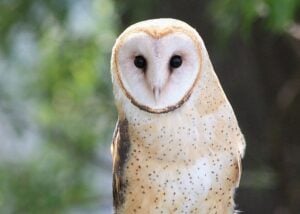
The American barn owl (Tyto furcata) is a distinctive bird of prey recognized by its pale plumage, heart-shaped facial disk, and comparatively enormous, dark eyes.
Unlike many other owls, barn owls don’t typically make the familiar hooting sounds associated with nighttime wildlife. Instead, they emit a series of gravelly screeches and calls, which can be heard from long away.
Barn owls are night birds; they are active at night when the sun goes down. They fly silently and have super hearing, so they can find and capture prey in the dark.
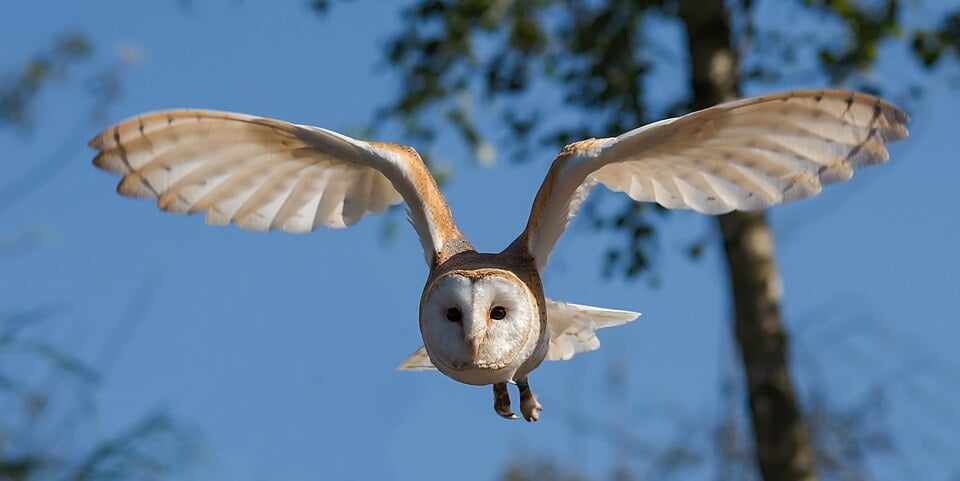
Their diet is mainly small mammals, including mice, rats, voles, and other kinds of rodents. They generally hunt over open landscapes, grasslands, marshes, and agricultural areas where small animals are easier to locate.
According to the New York State Department of Environmental Conservation, barn owls are uncommon in New York. This area represents the northern edge of their geographic range.
The species is particularly dependent on suitable nesting locations. These include cavities in buildings, barns, abandoned structures, and specially installed nest boxes.
Where Barn Owls Live in New York City
Although barn owls are rarely encountered by most New Yorkers, they have an established presence in certain parts of the metropolitan area.
Jamaica Bay, between Brooklyn and Queens, is especially important to the region’s barn owl population. The wetlands, open spaces, and surrounding nature of the site provide food and shelter for hunting and nesting.
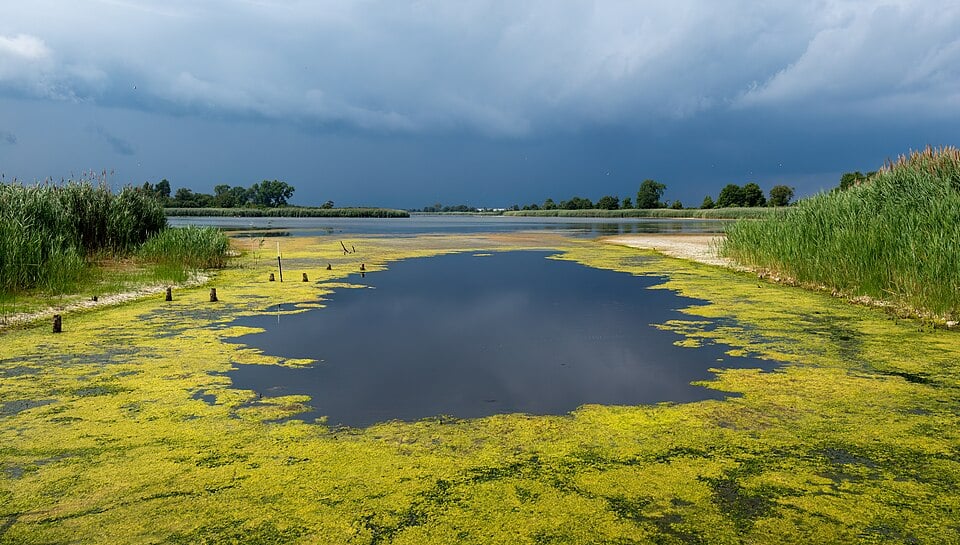
Jamaica Bay Wildlife Refuge is among the top attractions to see in the region, managed by the National Park Service. It provides diverse habitat for many species of birds and year-round birdwatching opportunities.
According to NYC Bird Alliance, barn owls have also been documented in other parts of the city. These include Staten Island, Queens, and New York Harbor.
The organization has worked with volunteers and wildlife specialists to install and maintain artificial nesting boxes in suitable locations around Jamaica Bay.
In an article published November 9, 2026, NYC Bird Alliance advisory council member Don Riepe described decades of efforts to provide barn owls with appropriate nesting structures.
Since 1980, volunteers and conservation partners have installed, replaced, and repaired more than a dozen nest boxes in quieter areas of Jamaica Bay. Riepe also reported that more than 300 young owls and several adults had been monitored and banded through the organization’s efforts.
These efforts show the importance of providing appropriate nesting sites in order to help bolster wild populations in places where nesting opportunities have already diminished.
A Rare Discovery on Manhattan’s Upper West Side
The barn owl family in Manhattan was one of the more unlikely animal stories in New York City in 2026.
Birds have established a nesting site in a rooftop water tower near West 75th Street and Central Park West, a short distance from Central Park.
Residents first noticed strange screeching noises in the evening and at night during the month of September. Further investigation showed that the sounds were originating from barn owls inhabiting the building.
By October, birdwatchers had identified two adult owls and five young birds using the water tower as their nesting location.
The discovery attracted considerable public interest, with residents and wildlife photographers gathering nearby after dark to observe the birds.
According to reporting by the Associated Press, the nesting site was considered the first documented modern instance of barn owls breeding in Manhattan.
However, the family’s unusual stay faced an unexpected challenge later in October.
Construction work at the water tower resulted in the removal of its roof. This exposed the nesting area and prompted concerns from wildlife advocates.
The New York State Department of Environmental Conservation investigated the situation and directed the building’s owner to halt further demolition. This pause allowed the agency to examine potential violations.
The incident also attracted attention from local elected officials and conservation organizations concerned about the protection of active bird nests.
By early November, officials reported that all seven owls had been accounted for. The family appeared to have relocated to nearby roosting locations rather than continuing to use the damaged water tower.
Then the NYC Bird Alliance urged residents to give the birds room and not disturb their new surroundings.
This case demonstrated how rapidly modifications to urban structures can have an impact on wildlife. This is especially the case for those that are site-dependent for nesting and rearing offspring.
Conservation Challenges Facing Barn Owls
No matter how well they may adjust to different habitats, barn owls have challenges in New York State.
One of the biggest concerns is habitat loss. Development, changes in agricultural land use, and the loss of older buildings can decrease the availability of suitable nesting locations.
Barn owls rely on open landscapes for effective hunting. The fragmentation or loss of natural habitats makes it harder and harder to find suitable areas for feeding and nesting.
The New York State Department of Environmental Conservation identifies the American barn owl as a Species of Greatest Conservation Need.
In its 2024 species assessment, the agency describes the bird as rare in New York. It says its population has plummeted over the last 20 years.
Historical breeding bird surveys also show the species’ declining range. The first statewide Breeding Bird Atlas documented barn owls in 126 survey blocks from 1980-85. The second atlas found them in only 28 blocks between 2000 and 2005.
These surveys are from different periods and do not provide a full picture of the current population. However, they do indicate a large reduction in recorded breeding distribution.
Another area of concern is rodenticides – poisons used to manage rats and mice.
Barn owls that feed on rats and mice may also be poisoned by this substance. This happens as a result of eating prey that have been poisoned by the substance. Secondary poisoning has the potential to threaten individual barn owls. It can also affect local barn owl populations.
This is why conservationists, therefore, advocate the responsible management of rodents and avoiding unnecessary chemicals.
Protecting Urban Wildlife and Nesting Habitats
Protection of barn owls needs cooperation from residents, property owners, wildlife organizations, and government agencies.
An important conservation strategy is to maintain and install appropriate nesting boxes in suitable habitats.
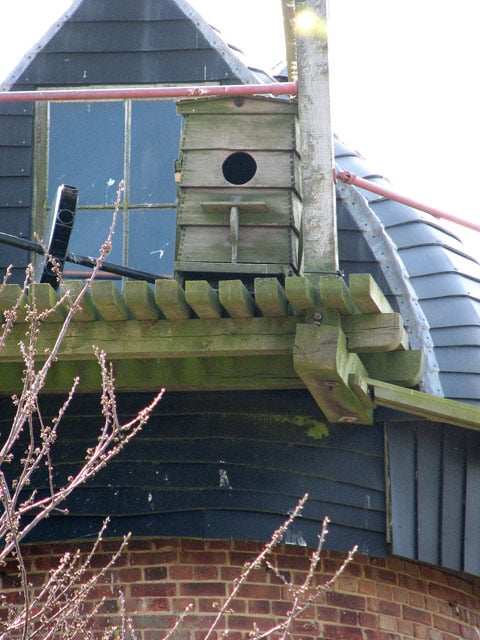
These structures can provide alternative nesting sites when natural cavities are not available. But they have to be put in good places where birds can obtain sufficient food and be fairly undisturbed.
Organizations such as NYC Bird Alliance have demonstrated the value of long-term monitoring, volunteer participation, and habitat management in supporting local wildlife.
Residents can also contribute by reporting unusual wildlife sightings to appropriate conservation organizations and respecting nesting areas.
Keep a respectful distance, avoid bright camera flashes, and make no loud noises.
Avoid allowing pets near nesting/roosting areas.
Less damaging mitigation methods can be undertaken within New York. Firstly, reduce rodent attractants by removing food sources and preventing access to bins. Addressing any conditions attracting rodents can also be completed before resorting to chemical treatments.
This can reduce risk to raptors and other wildlife species within the local area and ecosystem.
New York City’s Wildlife Has a Future Worth Protecting
The appearance of a barn owl family on Manhattan’s Upper West Side offered residents an unusual opportunity. They were able to observe wildlife thriving in an unexpected location.
Although construction disrupted the family’s nesting site, officials later accounted for all seven birds, reassuring conservationists and residents who had followed their story.
Their experience also brought attention to the importance of preserving natural habitats, protecting nesting locations and considering wildlife when planning construction and development projects.
New York City is home to far more wildlife than many residents realize. From the wetlands of Jamaica Bay to the parks and green spaces scattered throughout the five boroughs, these environments provide important habitats for birds, mammals, and other species.
Conservation work is very valuable here in order to help these Barn Owls.
Protecting the animals living in the area of New York will be very important in helping maintain biodiversity within the city.
The presence of barn owls in New York City demonstrates how nature continues to thrive, even in one of the world’s busiest cities.
Sources:
NYC Bird Alliance (November 9, 2026) – Barn Owls of New York City
National Park Service – Jamaica Bay Wildlife Refuge
Editor’s Disclaimer: This article is intended for informational and educational purposes. Information regarding barn owl sightings, nesting activity, and conservation efforts in New York City is based on reporting from established news organizations, wildlife conservation groups, and government agencies. Wildlife activity and conservation conditions may change over time. Readers are encouraged to respect wildlife habitats and follow guidance from local wildlife authorities when observing animals.
