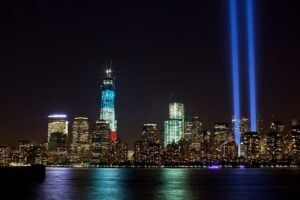
This past Friday marked the 25th anniversary of the September 11 terrorist attacks, the deadliest terrorist attacks in U.S. history. Although 9/11 was 25 years ago, those who lived through it—and later generations—have not forgotten. The attacks remain especially personal for many residents of New York City. New York City remains forever linked to 9/11, when hijacked aircraft struck the World Trade Center and changed the city forever. The attacks killed 2,977 people at the World Trade Center, the Pentagon, and aboard United Airlines Flight 93. Despite the loss and grief, New York City has continued to persevere 25 years later.
Twenty-five years after 9/11, New York City stands as a symbol of resilience, with One World Trade Center reshaping its skyline. Today’s busy streets and crowded subways contrast sharply with the images of a smoke-filled city that Americans remember from September 11, 2001. Behind this modern image, however, is a deeper story of how New York City has changed over the past 25 years. The transformation extends far beyond the rebuilding of Ground Zero. While New York City rebuilt its physical landscape, some of its most significant changes extended far beyond construction and redevelopment. New York City has experienced considerable changes over the last twenty-five years.
Rebuilding the Skyline and Lower Manhattan
The collapse of the Twin Towers on September 11, 2001, devastated the 16-acre World Trade Center site, which became widely known as Ground Zero. Nearly 3,000 people were killed, and the devastation plunged Lower Manhattan and the nation into profound grief. Although New York City was deeply shaken, the city eventually began a long and difficult process of rebuilding.
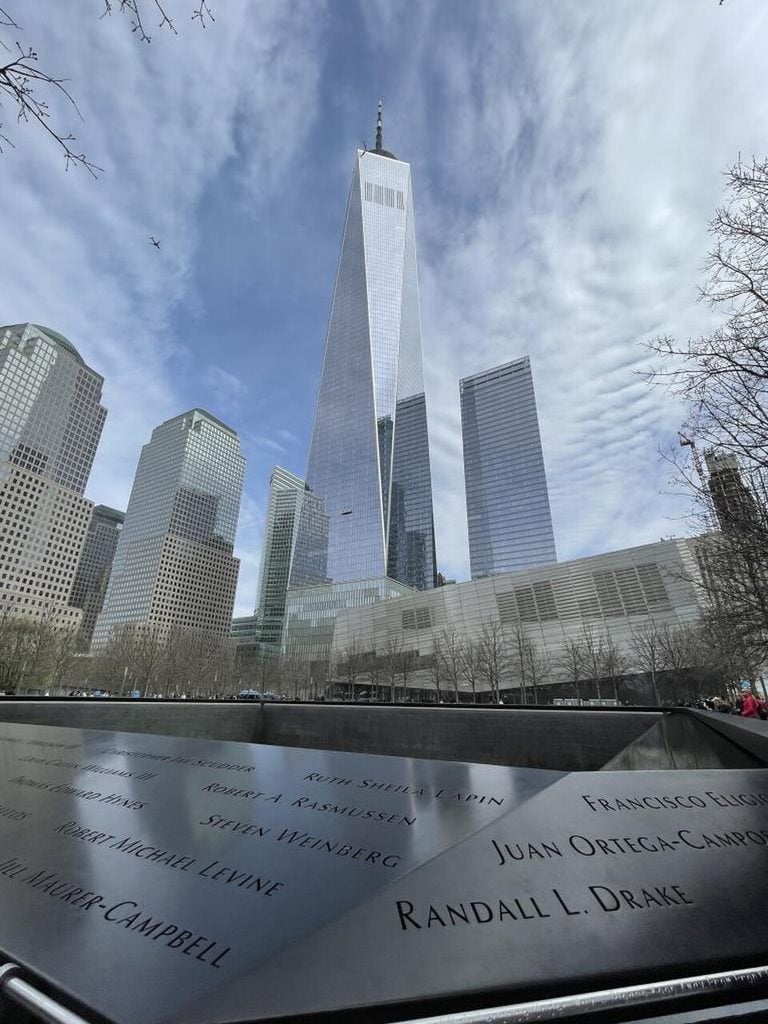
The 9/11 tragedy led to a long phase of rebuilding in New York City. Early rebuilding was slowed by debates over balancing remembrance with commercial development. Over time, rebuilding efforts transformed the site into a place of remembrance that also draws visitors from around the world. The rebuilt World Trade Center has become a symbol of resilience in the years since the attacks, with One World Trade Center being the tallest building in the Western Hemisphere. Its symbolic height of 1,776 feet references the year of American independence.
Lower Manhattan Becomes a Neighborhood
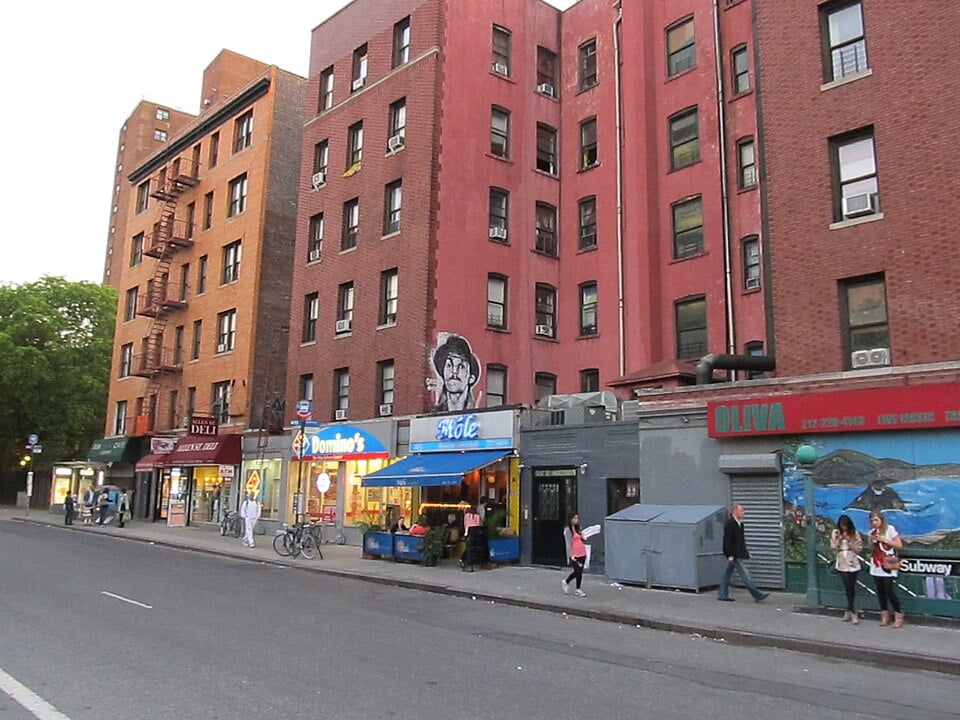
After 9/11, Lower Manhattan transformed from a 9-to-5 financial district into a vibrant, around-the-clock residential neighborhood. The change was gradual as the area evolved from a district dominated by corporate offices and financial institutions into a neighborhood where more people could live.
New apartment buildings and residential conversion projects helped drive this transformation. These changes attracted younger residents and families to the area, especially those who wanted to live close to where they worked.
As the population of Lower Manhattan grew, so did the surrounding infrastructure. Over time, new restaurants, grocery stores, retail shops, schools, and green spaces opened throughout the area. The growth of residences, stores, and entertainment venues helped Lower Manhattan become active during evenings and weekends as well as weekdays.
Changes in Security and Everyday Life
The September 11 attacks permanently altered security protocols in New York City and across the United States as a whole. In the aftermath of the attacks, the United States introduced major security changes designed to protect transportation systems, public spaces, and critical infrastructure.
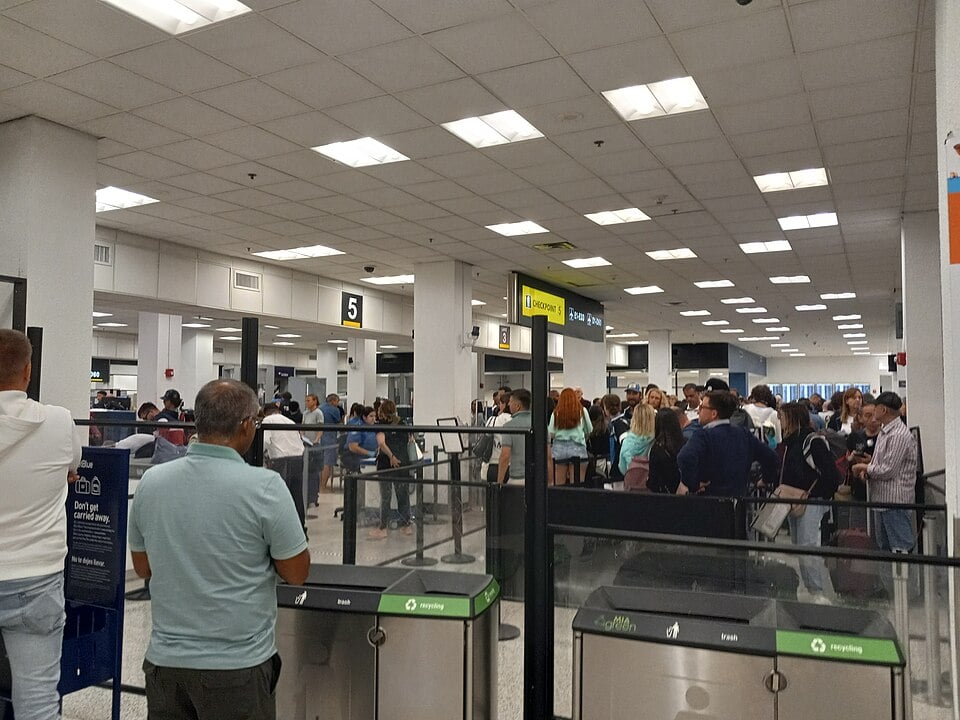
Perhaps the most evident change in security measures was seen at transportation hubs, national landmarks, and especially at airports. The attacks also led to the creation of the Transportation Security Administration, which introduced major changes to airport screening and security procedures. Other aviation reforms included reinforced cockpit doors and additional security measures.
Police visibility increased in many public areas, while cities across the country also expanded emergency preparedness and security planning. In addition, security barriers and networks of security cameras were implemented in urban landscapes.
These security measures eventually evolved into an everyday occurrence in the United States, and New Yorkers and all Americans adapted to this new routine. Bag checks became more common at museums, while metal detectors were increasingly used at office buildings and other public spaces. These changes created an ongoing balance between public safety and the preservation of everyday life that continues today, especially in New York City.
A New Generation of New Yorkers
Twenty-five years after 9/11, many Americans who were not yet born when the attacks occurred are now adults, some with children of their own. Together with younger Americans who are still growing up, they represent a generation that knows 9/11 primarily through history rather than personal memory. For younger generations, the events of September 11, 2001, are understood through family stories, education, documentaries, and annual memorial events.
As time has gone on, 9/11 has transitioned into the pages of history books. This also highlights the importance of preserving the memories and personal stories of those who were killed or survived the attacks.
While older generations remember watching 9/11 unfold, younger New Yorkers have always known the rebuilt World Trade Center as part of their city. They inherited a post-9/11 city, balancing remembrance with the need to build and move forward.
A Changing Lower Manhattan
Lower Manhattan has undergone major economic and cultural changes, evolving beyond its roots as a financial center. After 9/11, efforts to revitalize the district brought in a diverse range of new industries. The area expanded its presence in technology, media, creative industries, and startups and successfully moved beyond the Wall Street monoculture.
At the same time, Lower Manhattan continued to develop as a major cultural destination. Attractions like the World Trade Center and 9/11 Memorial draw millions of visitors each year. Growing tourism and redevelopment contributed to the opening of new restaurants, hotels, shops, and cultural venues, including the Perelman Performing Arts Center.
Once known primarily as a daytime financial district, Lower Manhattan developed into a neighborhood that combines business, culture, history, and residential life. Its combination of history, culture, restaurants, and business has made the area increasingly popular with visitors.
What Has Not Changed?
Despite 25 years of change since 9/11, New York City has maintained its identity and enduring spirit. It remains a crowded, energetic, and constantly evolving metropolis. The smoke-filled skies are gone, but 9/11 remains deeply personal for New Yorkers and their families. The city’s history of grief, recovery, and perseverance remains an important part of its identity.
Conclusion
Present-day New York City demonstrates how a community can honor its past while continuing to look toward the future. Over the past 25 years, New York City has changed socially, economically, and physically while preserving the memory of 9/11, symbolized by the new World Trade Center.
Twenty-five years have passed since the September 11 attacks changed New York City forever. The city demonstrates that places of remembrance and the energy of everyday life can coexist.
Sources:
National September 11 Memorial & Museum — 9/11 Primer
New York State Comptroller — THOMAS P. DiNAPOLI DiNapoli: Manhattan, 25 Years After 9/11
Port Authority of New York and New Jersey — One World Trade Center
Transportation Security Administration — TSA History Remebering the Past, Informing the Future
Port Authority of New York and New Jersey — World Trade Center Properties
Editor’s Disclaimer: This article examines how New York City has changed in the 25 years since the September 11, 2001, terrorist attacks. It is intended for informational and historical purposes and is based on publicly available information from credible sources. The article reflects on the lasting impact of 9/11 and the changes that have shaped New York City in the years since the attacks.
