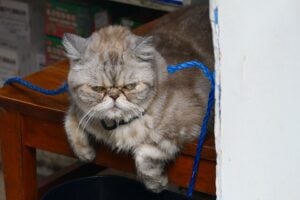
NEW YORK, NEW YORK — In a city famous for its towering skyscrapers, crowded sidewalks and seemingly endless population of people, some of New York’s most familiar residents have often gone unnoticed.
They sleep in sunny shop windows, patrol neighborhood stores, wander through community gardens and curl up beside the people who feed and care for them. For generations, cats have quietly shared New York City with millions of residents, becoming working animals, companions and, in many cases, beloved members of their neighborhoods.
Today, the New York cat may be most recognizable as the bodega cat — the watchful feline sitting near a cash register or stretching out between shelves. But the relationship between New Yorkers and cats extends much further into the city’s past.
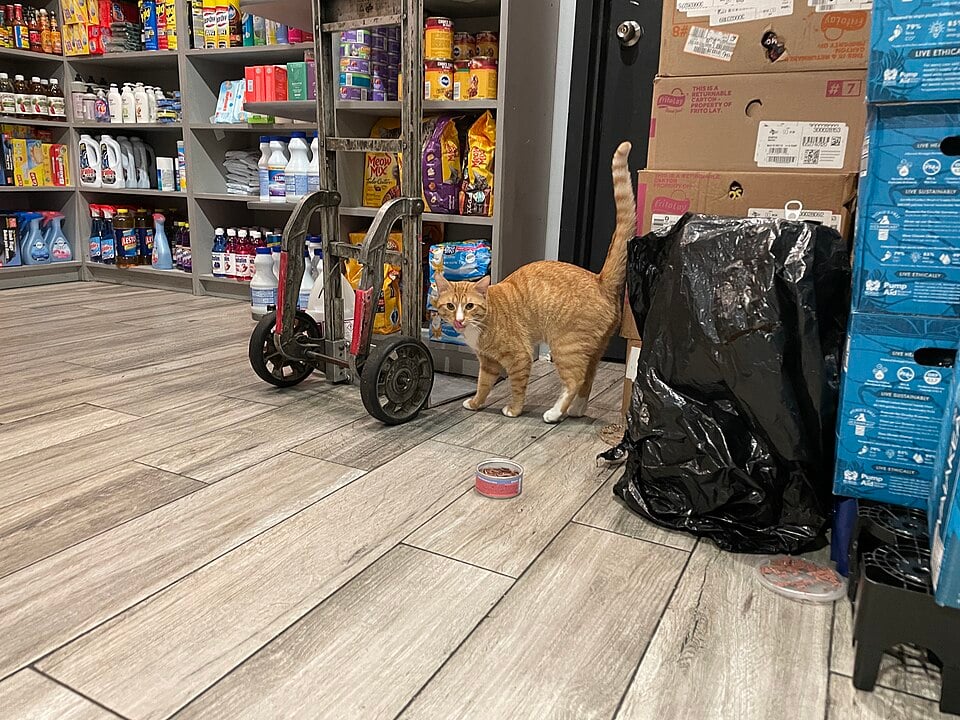
The history of cats in New York is also a story about the people who have lived alongside them, from working cats that kept rodents away from businesses and buildings to today’s community cats cared for by volunteers and neighborhood residents.
Cats in a Growing City
For much of human history, cats have lived alongside humans for practical reasons. Because of their ability to hunt rodents, cats have been useful in places where food storage areas, ships, warehouses, and homes attract mice and rats.
That relationship became especially important in growing cities.
New York grew from a colonial settlement into one of the world’s largest cities, creating conditions in which rodents could thrive. Ships unloaded cargo at busy ports, markets stored food, and warehouses held goods from around the world. Homes, businesses, warehouses, and public buildings also provided rodents with places to find food and shelter.
Cats, in turn, found opportunities of their own in the growing city.
Cats have long been kept in buildings where rodents posed a problem, and historical records document their presence at locations including the New York City Post Office and the Brooklyn Navy Yard during the late 19th century.
Some cats even became locally known for their work.
According to historical research compiled by Bodega Cats of New York, newspaper records mention cats associated with the New York City Post Office as early as 1875, while named cats were documented at the Brooklyn Navy Yard by the 1890s.
These animals were not simply pets. They performed a job that was valuable long before modern pest-control systems became widespread.
But cats also occupied a more personal place in the life of the city.
They lived alongside families and workers, becoming familiar parts of everyday life in their communities. Like generations of New Yorkers, cats adapted to life in a busy and constantly changing city.
The Forgotten History of New York’s Cats
One of the most fascinating aspects of New York’s feline history is how much of it was never documented.
Some institutions recorded the cats they kept, while newspapers occasionally mentioned cats in stories about noteworthy events. But many neighborhood businesses left little record of the cats that lived and worked alongside them.
That does not mean they were absent.
Photographs and historical accounts suggest that cats were common in storefronts and on city streets long before the term “bodega cat” entered popular use. A 1955 photograph by Angelo Rizzuto, now held by the Library of Congress, captures a cat resting on a street near a New York grocery store. At the time, the scene may have seemed entirely ordinary: a neighborhood cat sharing the streetscape with a local business. Today, however, little appears to be known about the cat’s name or story.
This forgotten history shows how easily ordinary parts of urban life can disappear without leaving much of a record. Buildings are preserved, major events are recorded, and politicians and celebrities leave behind extensive historical records.
But a neighborhood cat sleeping near the entrance of a corner store may leave little more than a photograph.
In recent years, that has begun to change.
Projects such as Bodega Cats of New York have worked to document individual cats, their stores and the people who know them. Since beginning its work in 2022, the project has collected photographs and stories from across the five boroughs, helping create a record of animals that might otherwise remain anonymous.
The idea is simple: history is shaped not only by famous people and major institutions, but also by ordinary individuals—and even animals—that are part of everyday life.
The Rise of the Bodega Cat
For many New Yorkers, the bodega cat has become one of the city’s most recognizable unofficial symbols.
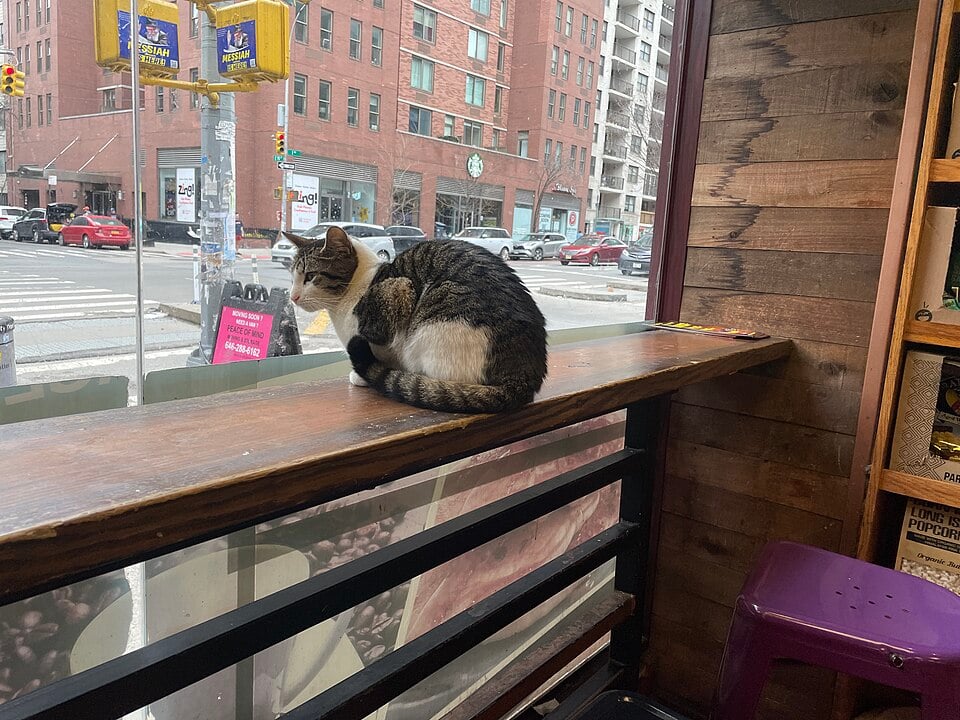
Bodega cats have become increasingly popular and recognizable. They can often be seen strolling through stores. Others spend their days sleeping near shelves or lounging in sunny spots. Some are cared for by store owners, while others become familiar fixtures at businesses where they are welcomed and fed.
Their traditional purpose is also practical.
Cats are natural hunters, and stores containing food can attract rodents. For generations, cats have helped discourage rodents at businesses and other locations where food and supplies could attract them.
The relationship between store owners and their cats has often become part working arrangement and part companionship.
However, bodega cats have also existed in a complicated legal and regulatory environment.
Food-safety regulations have created a complicated legal environment for bodega cats, sometimes placing longstanding neighborhood practices in conflict with rules governing animals in food establishments.
The issue received renewed attention in 2025 when city officials introduced legislation addressing cats in food establishments. The proposal ultimately did not become law. The debate illustrates the complicated role cats occupy in urban life—as working animals, companions, and, in some cases, animals viewed as pests.
While cats were once valued primarily for their ability to hunt rats, today’s bodega cats may have regular customers who know them by name. Customers and visitors take photos with them. Neighborhood residents notice when a familiar cat is missing. Their stories are often shared on social media. The working cat has, in many cases, become a local celebrity.
More Than Just a Store Cat
The modern fascination with bodega cats reflects a larger story about life in New York City. In a city where businesses can change quickly and residents frequently come and go, familiar animals can provide a sense of continuity.
Over the years, a local shop may see changes in its employees. The products it sells may change as well. The store itself may eventually be renovated or remodeled. Yet regular customers may continue to see the same cat resting in its favorite sunlit spot. That sense of connection helps explain the growing interest in projects dedicated to documenting bodega cats and their neighborhoods.
Bodega Cats of New York collects photographs of the animals along with information about their names, habits, and relationships with store owners. Together, these details give each cat a recognizable place in its neighborhood’s story. The cat becomes part of the social experience of the neighborhood.
New York’s Community Cats
Not every cat in New York lives in a home or works in a store.Across the city and throughout the United States, community cats live outdoors and may be cared for by volunteers, residents, and animal-welfare organizations.
These cats may be socialized and approachable, feral and wary of people, or somewhere in between. Some have lived outdoors for generations, while others may have been abandoned or become separated from previous owners.
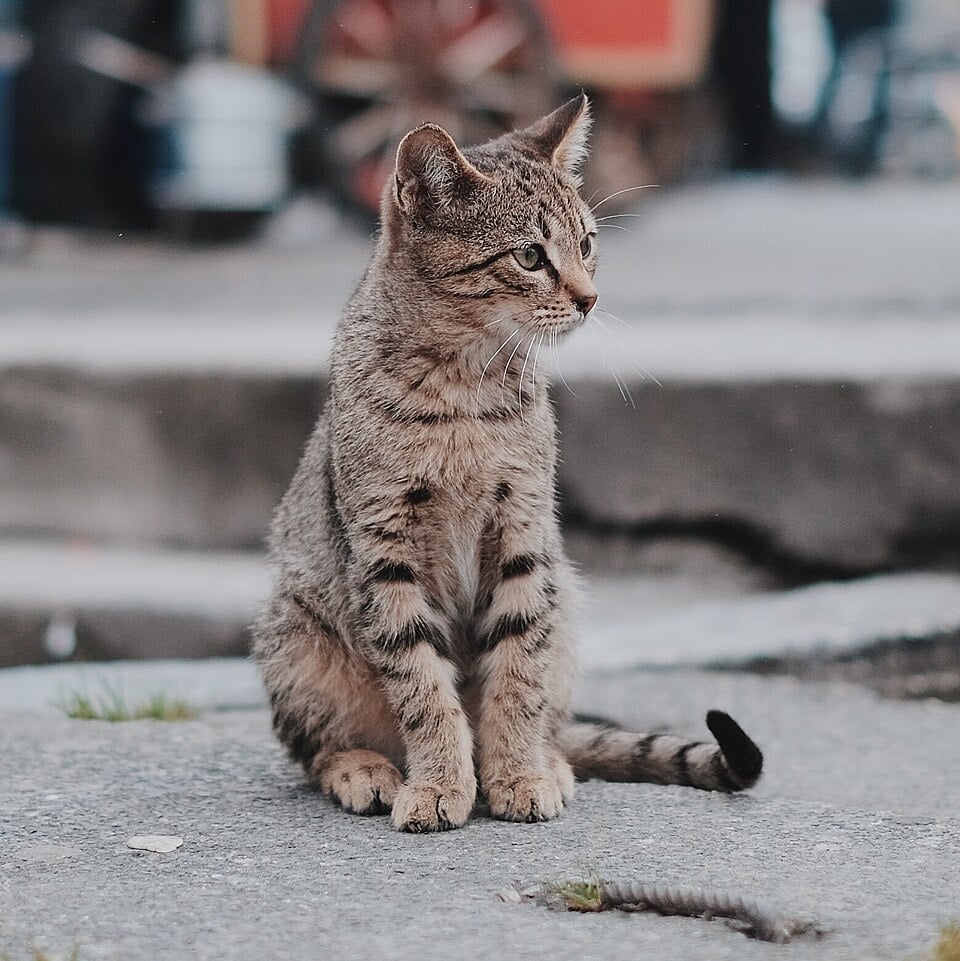
Managing community cat populations has become an ongoing concern for animal-welfare advocates and volunteers. Animal-welfare organizations support approaches such as trap-neuter-return-monitor programs, which involve humanely trapping cats, sterilizing and vaccinating them, and returning them to their outdoor environments when appropriate.
This approach reflects a significant shift in how many communities view free-roaming cats.
In the past, free-roaming cats were often viewed primarily as pests to be controlled. Today, however, many animal-welfare advocates support community-based programs that focus on the care and management of free-roaming cats.
People are often the unseen force behind cat colonies, but their efforts frequently go unrecognized. They provide food and water and arrange veterinary care when needed. In addition, they build or provide shelters to help protect the cats during severe weather, while monitoring the colonies and helping prevent additional litters through sterilization programs.
Their work represents another chapter in the long relationship between New Yorkers and the animals that share their city.
A City Shared With Cats
New York City’s history has been shaped not only by its human residents but also by the animals that have shared the city with them.
As horse-drawn carriages once moved through city streets, pigeons nested in parks and squares, and dogs walked alongside their owners.
Cats, too, have followed their own path through the city’s history. They have hunted rats in workplaces, lived in private homes, occupied neighborhood businesses, and survived outdoors with human assistance.
Some became famous. Most did not. Perhaps that is what makes their history so compelling.
The cat lounging near a bodega checkout line will never make its way into a history book. A community cat cared for by volunteers may never be known beyond the block where it lives.
They appear in photographs, memories, and neighborhood stories. They can connect people who might otherwise have little reason to speak with one another.
A customer asks about a cat. A store owner tells its story. A neighbor leaves food for an outdoor animal. A volunteer spends the evening caring for a colony. Small interactions create connections.
The Next Chapter
Today, New York City’s cats are receiving more recognition than many of their predecessors did. Writers document their lives. Animal-welfare advocates work to protect and care for them.
Meanwhile, New Yorkers continue to photograph them and share stories about the animals that have become part of their neighborhoods. The bodega cat, formerly known as “the cat at the store,” is now part of New York’s culture.
But much of the city’s feline history remains undocumented or unknown.
Countless cats likely lived in businesses, apartments, factories, and other parts of the city without leaving behind a written record. Although their names may be forgotten, they still shaped the lives of the people around them.
Perhaps that is the most fitting lesson from the hidden history of New York’s cats.
History doesn’t just appear in monuments, museums, and great historical events. At times, history finds its way into a cardboard box at the back of a neighborhood store, where a cat sleeps unnoticed.
For decades now, the cats of New York have observed the changes around them.
Silently, and without any recognition, they have woven themselves into the history of the place.
Sources:
Bodega Cats of New York — “Why Nobody Wrote About Bodega Cats for 50 Years”
New York State Assembly Bill A8341 — Cats Living in Retail Food Stores
Bodega Cats of New York — “Are Bodega Cats Legal in NYC?”
NYC Health — Trap-Neuter-Return of Feral Cats in NYC
ASPCA — Position Statement on Community Cats
Library of Congress — Angelo Rizzuto’s “[Cat and dog in the front window of a pet store]”
NYC Mayor’s Office of Animal Welfare — Outdoor Cats and TNR
ASPCA — NYC Agencies and Local Youth Work Together to Help Community Cats
Editor’s Disclaimer: This article is a historical and human-interest feature examining the relationship between cats and the people and communities of New York City. Information was compiled from publicly available historical records, animal-welfare resources, government information, and organizations that document New York City’s bodega and community cats. While reasonable efforts were made to ensure factual accuracy, some aspects of the historical record remain incomplete, and information regarding individual cats and their histories may be limited or unavailable. This article is intended for informational and cultural purposes and does not constitute legal, veterinary, or animal-welfare advice.
