
It appears that many endangered species might be facing even more challenges. This month, the U.S. Fish and Wildlife Service and NOAA Fisheries made major revisions to the Endangered Species Act. The changes included the removal of the regulatory definition of “harm.” In addition, they repealed the “blanket rule” that provided automatic protections for threatened species. The new criteria subsequently weakened protection mechanisms.
The recent revisions to the Endangered Species Act carry national significance. The recent regulatory changes altered a foundational environmental law, and critics argue they prioritize economic interests over biological science. Critics argue the changes could accelerate biodiversity loss while reshaping industries such as energy, mining, and development.
The central issue surrounds the proper balance of wildlife conservation efforts and long-term economic growth. It is still uncertain whether these regulations will promote economic development without endangering threatened species.
What Is the Endangered Species Act?
Congress passed the Endangered Species Act (ESA) in 1973 with overwhelming bipartisan support. It serves as the primary U.S. law for preventing species extinction and safeguarding critical habitats. In addition, the act is jointly administered by the U.S. Fish and Wildlife Service and NOAA Fisheries.
The United States Congress enacted the Endangered Species Act in 1973. Modern-day extinction problems have become increasingly common due to humans’ actions such as post-war developments, habitat destruction, and inadequate previously applied preservation methods. The legislation’s focus is on issues pertaining to species such as the bald eagle.
The Endangered Species Act is implemented by various national agencies, which use a procedure of endangered and threatened species listing based on scientific data analysis as well as critical habitat definition. Along with this, as part of the Act’s application, projects must undergo the process of Section 7 consultation.

What Changed?
As far as the specific changes to the Act that were recently set in place, the regulatory rollback removes automatic protections for threatened species. It also narrows the definition of “harm” to exclude indirect habitat degradation. Additionally, the policy allows agencies to decline habitat protections based on high economic costs to industries.
Previously, regulations regarding the Endangered Species Act adhered to a universal policy that not only extended protections for endangered species to threatened species but also required that any regulatory decisions of the Act be made strictly on the principles of science. In addition, these rules also defined habitat destruction as a prohibited “taking.” The regulations mandated consideration of long-term climate impacts on species recovery.
When it comes to the administration and implementation of the Endangered Species Act’s regulatory changes, the responsibilities fall into the hands of the U.S. Fish and Wildlife Service (USFWS) and the National Marine Fisheries Service (NOAA Fisheries).
Nonetheless, it’s important to note that the Endangered Species Act revisions represent a regulatory change, not a statutory amendment. Both USFWS and NOAA have altered enforcement interpretations without requiring congressional action.
Why Supporters Favor the Change
These changes to the Endangered Species Act have all taken place under the watch of the administration of President Donald Trump. The Trump administration has defended its stance that the recent changes to the Act help improve regulatory clarity and reduce bureaucratic delays. It also claims the changes enhance federal decision-making efficiency. In addition, certain officials have placed an emphasis on the balance of responsible conservation efforts and economic health.
Many industry groups have also spoken out in favor of these recent revisions. For instance, the National Mining Association has pointed out how the definition of “harm” that the Endangered Species Act specifies has resulted in the penalization of companies for even just mere potential habitat modifications. Additionally, some free-market and property groups have maintained that it’s wrong to treat threatened species the same as endangered ones. They argue it penalizes private landowners.
Supporters of the recent changes to the Endangered Species Act have pointed to things such as the reduction of regulatory burdens and greater flexibility for landowners. In addition, others say it helps with infrastructure and energy development by accelerating pipelines, grid, and highway construction.
Why Critics Oppose the Change
As one can imagine, conservation organizations have been very vocal about their opposition to these recent changes. Some of them have made the argument that certain revisions to the Endangered Species Act leave vulnerable wildlife more likely to have their habitats destroyed. Additionally, some maintain that the changes place corporate interests above biodiversity.
One of the overall oppositions to the regulation of the Endangered Species Act centers around how they could potentially weaken habitat protections. The argument rests on the idea that industrial activity is allowed in critical areas for the environment.
There’s also the criticism that focuses on how the regulations to the Endangered Species Act can possibly accelerate species extinction rates and cause severe, irreversible habitat fragmentation over the coming decades. The changes could threaten vital ecosystem services. Additionally, they could undermine natural climate adaptation capabilities.
Potential Impact on Wildlife and Communities
The regulatory revisions could have wide-ranging implications for both wildlife and the communities that depend on healthy ecosystems. Protection supporters are worried that the chances of survival for animals that depend on expanded ecosystems will lessen with the limitation of habitat protections for wildlife such as migratory birds, freshwater fishes, amphibians, and other animals that suffer from habitat loss. The reduction of the protection levels could complicate recovery efforts, as it would force federal authorities to create regulations that would apply to specific species instead of implementing general automatic protections.
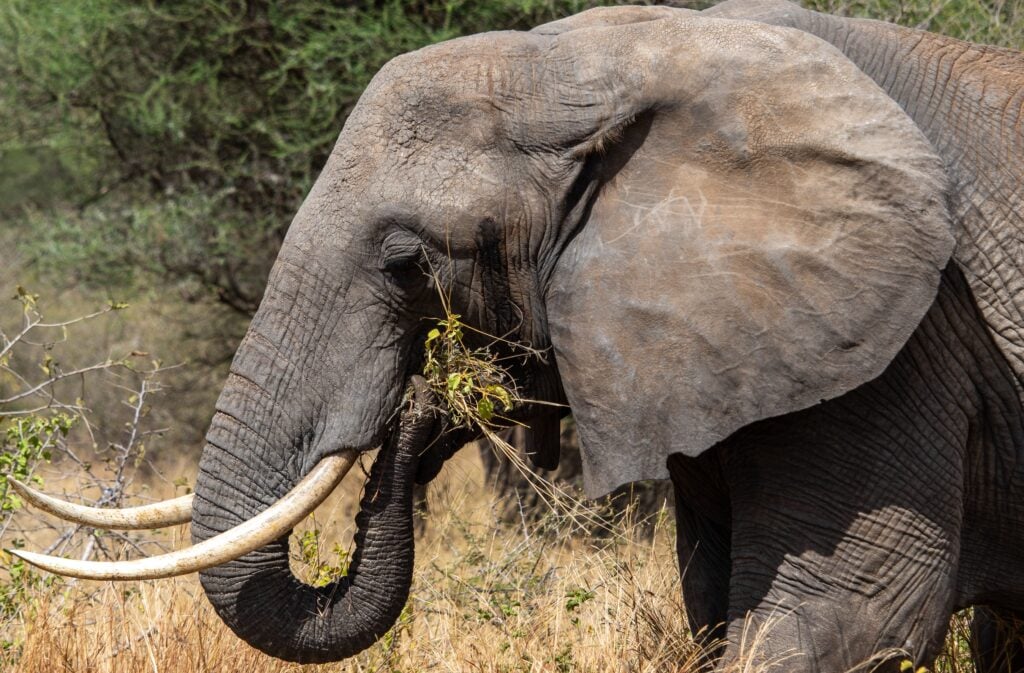
However, the implications of the changes will go beyond wildlife protection. Those in favor of lifting unnecessary regulations claim that this move would provide the construction, energy, mining, and development industries with increased operational speed. Moreover, it would allow for lower costs related to the procurement of permits. Others, however, are negative about doing away with regulations because they believe that this might have a negative impact on outdoor activities, as well as fishing, hunting, and tourism.
What Happens Next?
The new regulations are said to follow guidelines issued by the U.S. Fish and Wildlife Service and NOAA to make sure that implementation of regulations follows rules outlined in finalized regulations. However, certain aspects of legislation have already been challenged in court by environmental groups who argue about contradictions between amendments and the Endangered Species Act. Moreover, it is said that the final ruling will depend on further legal proceedings regarding this question. In addition, Congress may make sure any changes are in line with its strategies by applying certain interventions in the final version of legislation through hearings or inciting legislative actions connected with the issue.
Conclusion
The recent revisions to the Endangered Species Act represent one of the most significant regulatory changes to U.S. wildlife conservation policy in recent years. Proponents believe the changes will improve regulatory efficiency and promote economic activity. However, opponents fear those changes will undermine conservation of sensitive species and ecosystems. To determine how successful the changes will be in the long run, one must consider the enforcement of the rules by the federal agencies, the judicial verdicts in the current lawsuits, and the actions taken by the federal government or Congress in the future.
Sources:
U.S. Fish & Wildlife Service – Endangered Species Act Regulation Revisions
Reuters – Trump administration rule weakens protections for threatened species
Associated Press – Proposed rule change on endangered species triggers alarm for environmentalists
Vox – It’s no longer illegal to destroy the one thing endangered species need most to survive
U.S. Fish & Wildlife Service – Rescinding the Definition of “Harm” Under the Endangered Species Act
Editor’s Disclaimer: This article is intended for informational and journalistic purposes only. It is based on publicly available information from government agencies, official regulatory documents, and other credible sources available at the time of publication. Because legal challenges and policy developments related to the Endangered Species Act remain ongoing, certain regulatory interpretations and implementation details may change. Presence News will continue to monitor significant developments and provide updates as new information becomes available.
