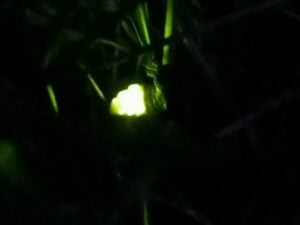
Fireflies have often been seen as among the most common natural occurrences; when viewed on a warm summer night, one is often reminded of childhood television programming. Fireflies’ spectacular light displays have inspired folklore, games, scientific research, and generations of people. However, many parts of the world no longer see the light displays from fireflies that used to be so abundant. Although there are still some regions that have a good population of fireflies, there are many other regions that have experienced declining numbers of fireflies, and researchers would like to understand what this change may suggest about the general quality of the environment in which fireflies live.
Understanding why fireflies are disappearing has become an important area of research for scientists. According to researchers, there is no single explanation for the decline of many firefly populations. Some species remain fairly common but are declining because of habitat loss, light pollution, pesticides, and other environmental pressures.
Rather than signaling a single global crisis affecting every species equally, the decline of many firefly populations illustrates how multiple human-driven changes can combine to disrupt delicate ecosystems.
There is more to learn about fireflies than just preserving this popular insect of summer. Firefly populations can provide scientists with insight into how forests, wetlands, grasslands, and suburban environments are being impacted. Due to the fact that fireflies rely on the environment while going through each stage of development, scientists frequently use fireflies as a means to measure the health of an ecosystem.
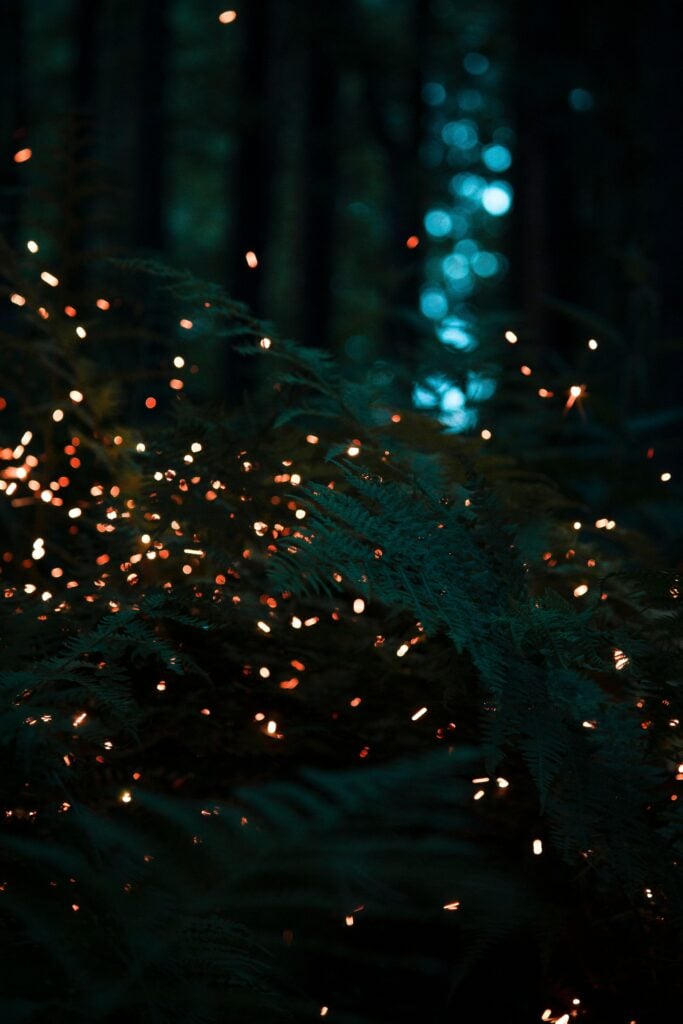
Nature’s Living Lanterns
Are Fireflies Really Disappearing?
Habitat Loss Remains the Greatest Threat
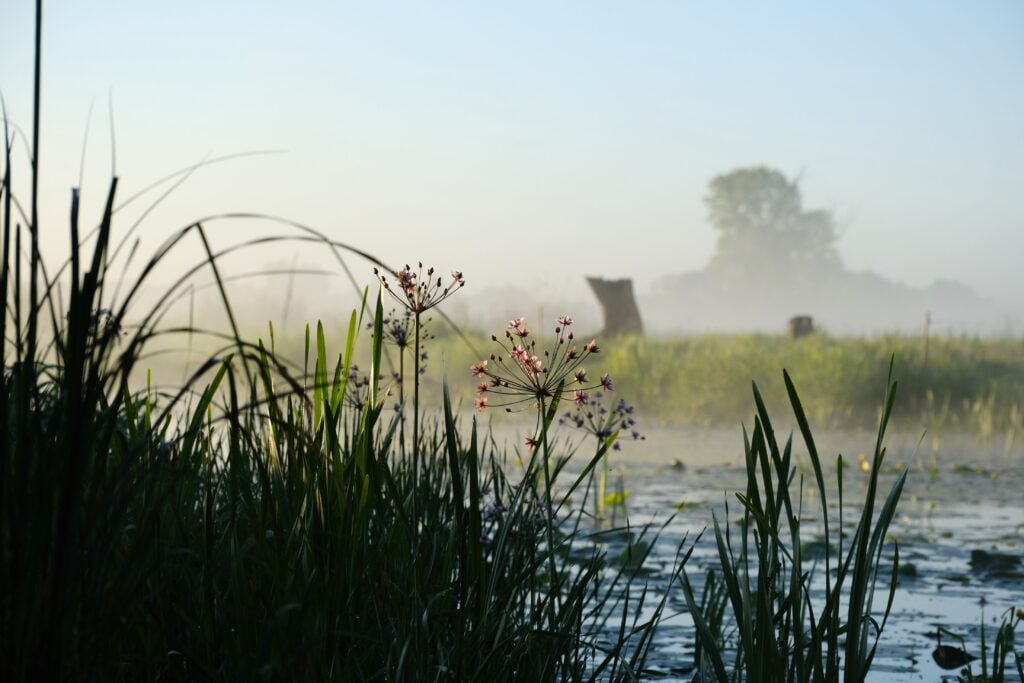
Habitat destruction is widely considered one of the primary reasons why fireflies are disappearing in many parts of the world.
The Hidden Effects of Artificial Light
Research suggests that artificial light at night is another important factor explaining why fireflies are disappearing from some landscapes.
Pesticides and Chemical Exposure
Modern pesticides have helped control agricultural pests and disease-carrying insects, but they can also affect beneficial species.
Scientists have raised alarms about the detrimental impact broad-spectrum insecticides have on both firefly adults and larvae, as studies on the impact of other chemicals on fireflies continue to be conducted. This is particularly concerning in light of the length of time larvae remain within the soil and leaf litter, and therefore, they can be exposed to pesticide residues for an extended period.
Scientists continue investigating the role pesticides play in why fireflies are disappearing, particularly in areas with intensive agriculture.
Other treatments applied to lawns or during mosquito control can inadvertently impact the populations of other non-target insects and may reduce their ability to reproduce or provide food for birds and other wildlife. Mosquito management is critical where mosquito-borne illnesses pose a risk to public health; however, it is important to use strategies focused on the elimination of mosquito populations and materials approved for that use wherever possible.
Unnecessary chemicals used around homes and gardens can be reduced, which will benefit several beneficial species that contribute to an ecosystem (pollinating and detritivorous insects), like fireflies.
New Problems Arise Due To Climate Change
Climate change may not be the only issue that causes declines in firefly populations; however, climate change will likely pose additional challenges.
Numerous firefly species must time their life cycle (which includes breeding) based on temperature and rainfall patterns. Changes to rainfall patterns, prolonged periods of drought, flooding, and unseasonably warm winters can result in decreased nesting success or loss of larval development.
Habitat loss due to habitat destruction or degradation continues to put species that depend on wetland habitats at risk because of the historic habitat’s high moisture levels.
There are many ongoing investigations into the effects of Climate Change on reproduction timing, geographic ranges, and whether new species will appear because of climate change. The response to climate change will differ for species found in multiple climate regions across the globe.
Climate change is unlikely to be the only explanation for why fireflies are disappearing, but researchers believe it may increase pressure on many species.
The Importance of Fireflies
At first glance, fireflies (Photinus pyralis) may seem to be aesthetically pleasing and culturally important; however, fireflies play an integral role in the ecosystem.
As larval insects, fireflies help control populations of small invertebrates by preying on land snails and slugs before they metamorphose into an adult form. As an adult, firefly larvae serve as a prey item for many animals, including birds, spiders, amphibians/reptiles, and dozens of additional animal species.
Habitat degradation continues to threaten the ability of previously existing wetland-dependent organisms to survive due to constantly moist conditions in their historic ranges.
Studies are ongoing to identify how climate change will affect the timing of reproduction, unique geographic range distributions, and the emergence of new species. Species that occur in diverse climatic conditions across global geographic distributions will respond to climate change differently.
Why Fireflies Matter
At first glance, fireflies may appear to serve mainly aesthetic or cultural purposes. In reality, they play meaningful ecological roles.
The population control of small mollusks like snails and slugs is aided by insects in their larval stage.Adult fireflies are prey for birds, spiders, amphibians, reptiles, and other wildlife, though their natural defenses deter some predators.
Fireflies, more generally, are one of many different components that exist within larger systems where many different organisms interact. Habitat degradation that reduces firefly populations can also harm many other species, even if the effects are not immediately visible.
For this reason, scientists often describe fireflies as bioindicators. The presence or absence of fireflies can reveal habitat quality, moisture levels, and nighttime light pollution.
Conserving fireflies will often protect many other wildlife and plant species that live in the same habitat as fireflies.
Citizen Science Is Helping Researchers
Having so many different landscapes makes it impossible for researchers to monitor all of them. Therefore, people are getting more involved with helping researchers monitor more areas. One example is citizen science programs. Volunteers are able to observe fireflies in their area during the summer months. Researchers use volunteer data to track firefly populations and how environmental factors affect them.
Smartphones with new technologies allow for simple data collection methods. Participants can record the date, time, weather, and flash behavior, providing valuable long-term data for wildlife conservation.
These community-based efforts illustrate how ordinary observations can support scientific understanding on a much larger scale.
Creating Firefly-Friendly Spaces
Fortunately, many conservation actions are relatively simple.
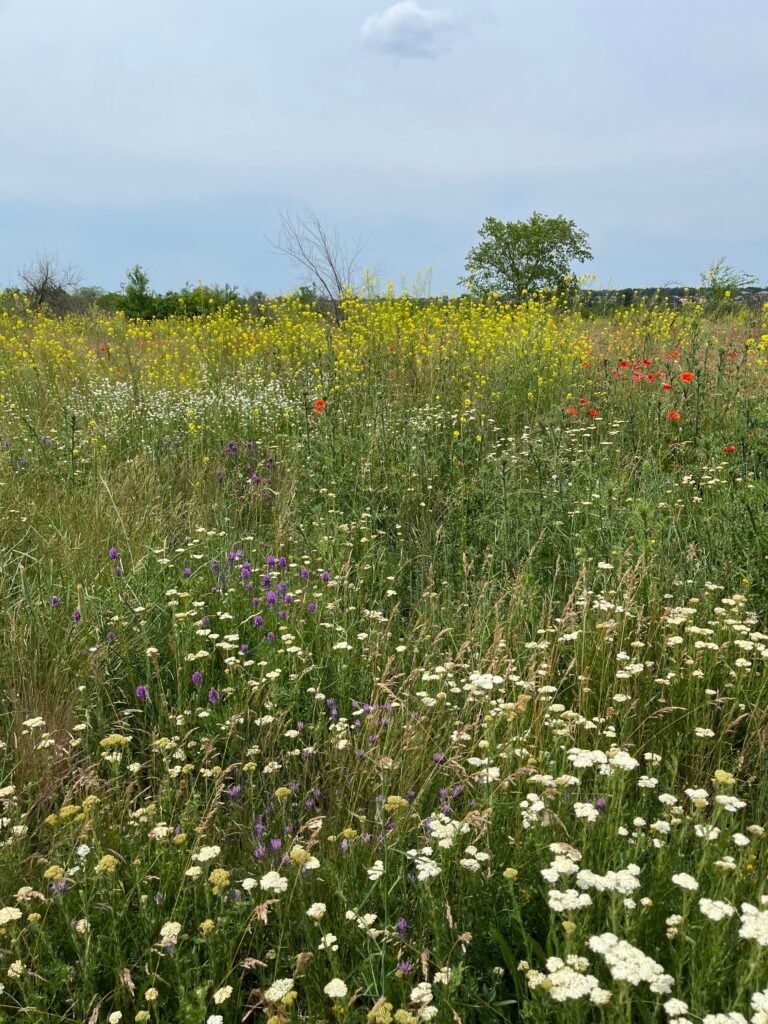
Homeowners can support fireflies by allowing portions of their property to remain more natural. Leaving leaf litter, planting native vegetation, reducing pesticide use, and preserving moist areas help create suitable habitat.
Diminishing outdoor illumination is one of the quickest ways to see a difference. Motion-activated, downward-facing, and warm-colored lights, along with turning off unnecessary lighting, can reduce light pollution while maintaining safety.
Municipalities can protect wetlands, forests, and other natural areas that provide habitat for fireflies and other wildlife.
Even small habitat improvements made across neighborhoods may collectively support healthier local populations.
A Broader Story About Insect Decline
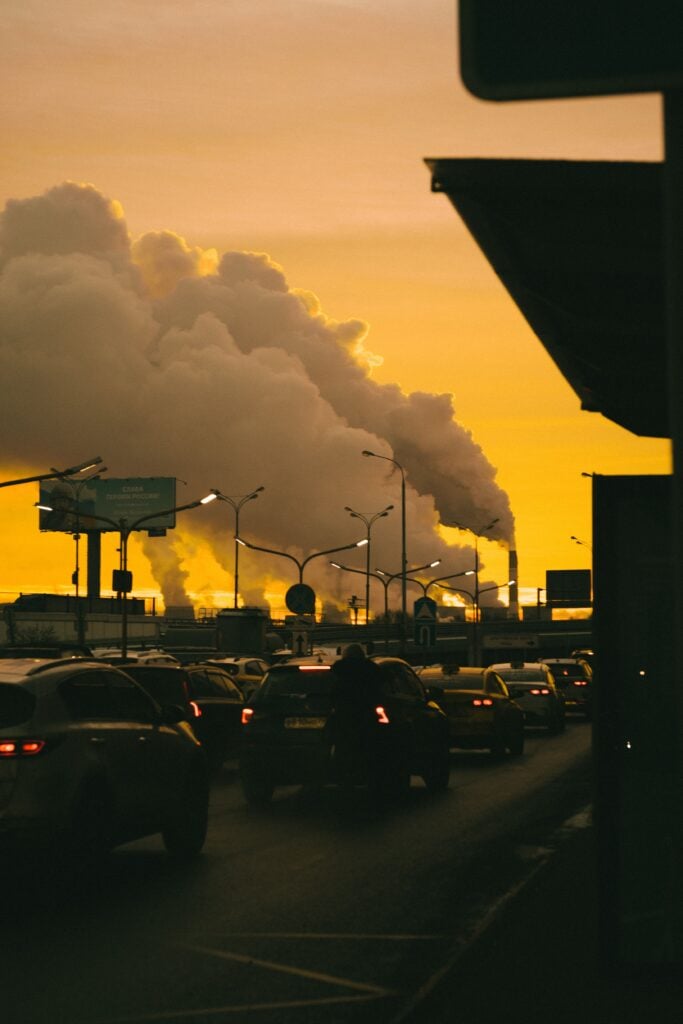
Fireflies are not the only insects facing environmental pressures.
Examining why fireflies are disappearing also helps scientists better understand broader trends affecting insects around the world.
Researchers have observed a variety of problems with butterflies, honeybees, moths, dragonflies, and many other insect families. Despite different challenges, these groups share common threats, including habitat loss, pollution, climate change, and landscape fragmentation.
The services that insects provide to the ecosystem are extremely important but often unnoticed. These services include pollination, nutrient recycling, pest control, and providing food for other animals. As such, the insects lose their population, causing an ecological collapse for many other species apart from the insects themselves.
Fireflies help highlight broader ecological changes because their glowing displays are more noticeable than those of most other insects.
Looking Ahead
The future of fireflies is not predetermined.
Scientists are improving monitoring efforts, conservation groups are protecting habitats, and communities are rethinking how landscapes are managed.
Experts warn it is premature to say firefly populations are decreasing worldwide. While some populations exist in areas managed without pesticides, others can be found in similar localities with no stewardship. Conservation programs should prevent extinction and conserve remaining populations.
To close, Fireflies illustrate an essential aspect of being stewards of our environment. Ecosystems depend on the relationships between plants, animals, fungi, microorganisms, and other organisms to remain healthy and balanced.
When fireflies disappear from our backyards, it may signal broader changes affecting the natural world. Their fading lights remind us that protecting habitats, reducing pollution, and preserving biodiversity benefits not only fireflies, but countless other species as well.
Whether glowing over a meadow, along a woodland trail, or beside a quiet stream, fireflies continue to inspire wonder.Ensuring future generations can experience those moments may depend on how communities protect the habitats fireflies call home.
Sources:
International Union for Conservation of Nature — “IUCN SSC Firefly Specialist Group”
Xerces Society for Invertebrate Conservation — “Firefly Conservation”
Smithsonian Magazine – “The Illuminating Science Behind Fireflies”
BioScience — “A Global Perspective on Firefly Extinction Threats”
PLOS ONE — “Evaluating Firefly Extinction Risk: Initial Red List Assessments for North America”
DarkSky International — “What is light pollution?”
U.S. Environmental Protection Agency — “Climate Change”
Mass Audubon — “Firefly Watch”
Encyclopaedia Britannica – Firefly
Editor’s Disclaimer: This article is intended for informational and educational purposes and is based on current scientific research, conservation reports, and expert sources available at the time of publication. Because firefly populations vary by species and geographic region, scientific understanding of their population trends and the factors influencing them continues to evolve as new research becomes available.
