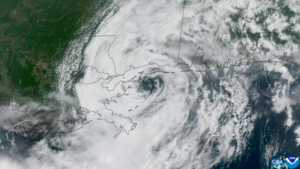
The Atlantic hurricane season is in full swing. The second named storm of the Atlantic hurricane season, Tropical Storm Bertha, brought heavy rain and flooding to parts of the Gulf Coast.
Areas across the Gulf Coast, from Texas to Florida, have experienced impacts from Bertha. Communities affected by the storm have experienced flash flooding, storm surge of up to 3 feet, beach erosion, and power outages.
Because Bertha is not a hurricane, some people may underestimate its potential dangers. However, tropical storms can still pose significant hazards. Hurricane category rankings measure a storm’s wind speed. However, flooding and storm surge associated with tropical storms can cause significant damage and are responsible for many storm-related fatalities.
Bertha’s Track and Impacts
When Bertha made landfall Wednesday, it moved onshore across southeastern Louisiana. It is currently moving westward into Texas near the Louisiana state line and weakening rapidly over land. Bertha is forecast to rapidly weaken and dissipate over inland Texas during the next 24 hours.
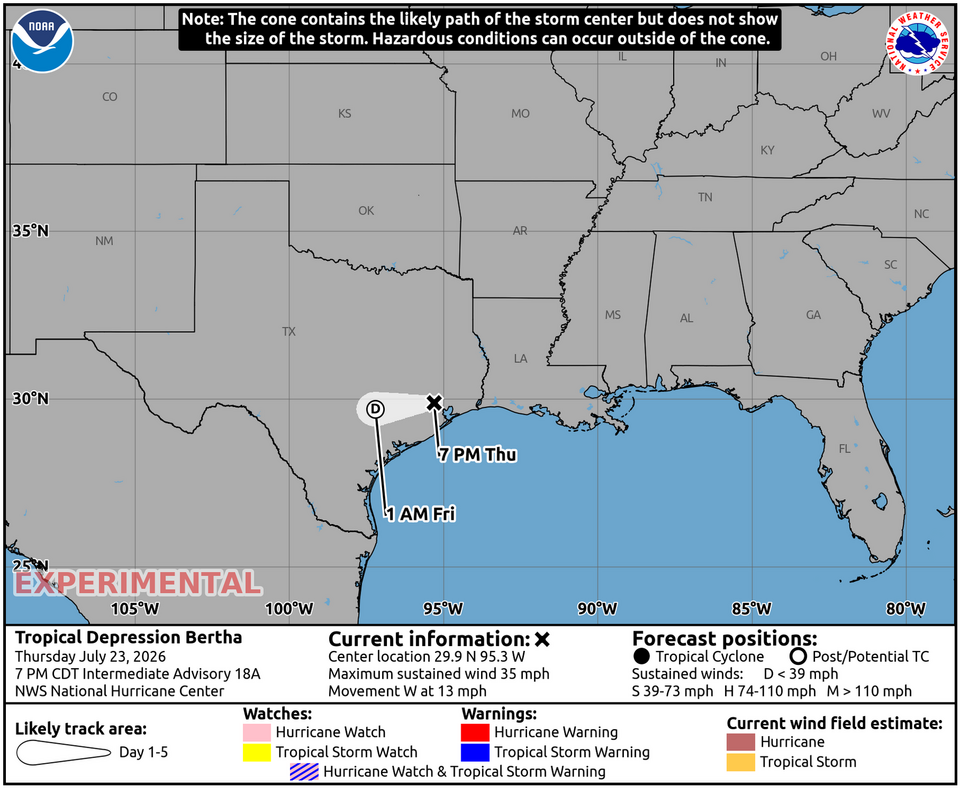
The areas of southeastern Louisiana that were directly affected by Bertha include St. Bernard Parish and Metro New Orleans. In St. Bernard Parish, strong northerly winds pushed seawater onto shore, causing minor localized flooding in unprotected tidal zones like Shell Beach. Meanwhile, bands of weather produced a 44 mph wind gust at New Orleans Lakefront Airport. Lakeshore Drive experienced flooding after rising waters in Lake Pontchartrain crashed over retaining walls onto West End Point. Although well east of Bertha’s center, beaches in Biloxi, Mississippi, and low-lying areas such as Dauphin Island, Alabama, also experienced flooding. Even parts of the Florida panhandle were mildly affected.
Why Tropical Storms Can Still Be Dangerous
Bertha demonstrates that tropical storms, while not reaching hurricane strength, can still pose significant hazards. The wind speed of tropical storms, which range from 39 to 73 mph, can still cause structural damage and break tree branches that can fall onto homes, vehicles, and power lines. This can damage infrastructure, down power lines, and leave thousands without electricity. In addition, tropical storms are known for causing flash flooding. Unlike hurricanes, they are known to dump significant amounts of rain over specific areas, disrupting transportation, businesses, and daily life.
It’s also important not to forget the dangerous storm surge that tropical storms produce. While people often lower their guard around tropical storms, some can generate storm surge comparable to—or, under certain conditions, greater than—that of a weak Category 1 hurricane. The Gulf Coast tends to have many shallow coastlines, which makes it easier for even smaller storm surges to flood coastal highways.
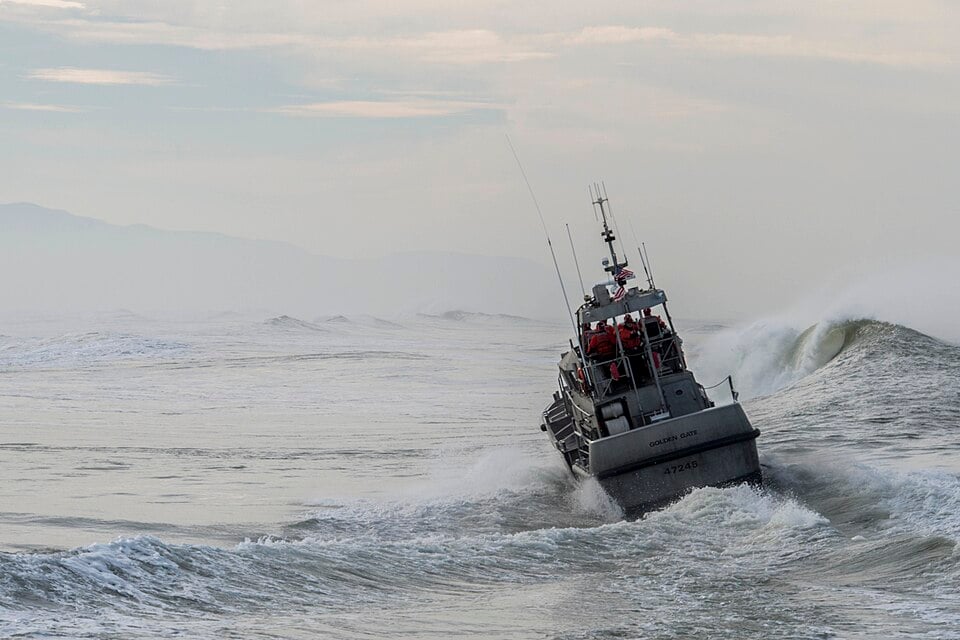
Tropical storms can also create dangerous rip currents. In fact, they don’t even have to make landfall as winds from a storm hundreds of miles away can churn up large ocean swells that travel across the sea.
https://commons.wikimedia.org/wiki/File:Surf%27s_Up_(25363079149).jpg
https://commons.wikimedia.org/wiki/Commons:Licensing#Material_in_the_public_domain
Throughout the history of tropical storms, many have proven how destructive they can be despite lacking hurricane-force winds. One instance is Tropical Storm Allison (2001), which dumped over 40 inches of rain in Southeast Texas and caused 41 deaths and over $8.5 billion in damage. Also, Tropical Storm Imelda (2019), despite having winds of only 40 mph, dropped up to 43 inches of rain in southeast Texas, resulting in flooded homes, numerous water rescues, and extensive property damage.
What Residents Should Know
For residents monitoring Tropical Storm Bertha, as well as those preparing for future storms, here are several important safety reminders.
- Monitor Official Forecasts
To stay fully informed regarding the status and location of any current storms, it’s important to check official weather forecasts, particularly from the National Hurricane Center or local emergency management teams.
- Avoid Flooded Roads
Whenever flooding occurs, whether it’s the result of a hurricane, tropical storm, or any weather-related event, never drive or walk through flooded streets or areas. Not only can a person be swept away in floodwaters, but floodwaters may also conceal debris, damaged roadways, or energized power lines.
- Stay Out of Dangerous Surf
Rip current warnings or beach closures are signs to stay as far from the water as possible.
- Follow Official Guidance
Follow any evacuation or emergency instructions issued by local officials.
Sources:
Reuters: Tracking Tropical Storm Bertha
National Weather Service – Tropical Weather Discussion
Editor’s Disclaimer: This article is based on information available at the time of publication from official weather agencies and reputable news organizations, including the National Hurricane Center, the National Weather Service, and the Associated Press. Forecasts, storm tracks, and impact reports may change as new information becomes available. Readers in affected areas should monitor updates from local emergency management officials and the National Hurricane Center for the latest forecasts, watches, warnings, and safety guidance.
