
As hostilities between Iran and the coalition of the United States and Israel appear to be easing, a memorandum of understanding outlining the parties’ intended framework for negotiations has become publicly available. But rather than a treaty, the document in question is a Memorandum of Understanding (MoU). What is an MoU? What aspects make it unique from other agreements?
Understanding the Basics
People often describe a memorandum of understanding as a “handshake in writing.” Parties generally intend it to serve as a non-binding agreement, although some MoUs may contain legally binding provisions. An MoU acts as a roadmap for merging wills, not enforcing terms per se. Instead, it is a means to ensure that there is an agreement of future plans. While not enforceable in a court of law, an MoU creates an expectation of good faith. In the case of the reported U.S.–Iran memorandum, the agreement may place diplomatic pressure on both parties to adhere to the framework outlined in the document. If either party fails to honor the framework, it could damage diplomatic credibility and complicate future negotiations. Depending on the context, organizations may instead use related documents such as letters of intent (LOIs) or letters of agreement (LOAs), although these are not necessarily interchangeable with an MoU.

Key Features of a Memorandum of Understanding
Defining Purpose: An MoU is meant to establish objectives, goals, and the context for each. For these purposes, an objective is a delineated, short-term initiative, while a goal is a long-term, aspirational pursuit.
Identifying Parties Involved: As an MoU can be used at different levels of interaction, it is important to account for individuals, groups, bodies, countries, or any other parties that are involved in the agreement. As it is not a binding contract, it is imperative to outline every actor involved. Clearly identifying the parties involved can help reduce misunderstandings and discourage parties from acting in bad faith.
Establishing Roles and Obligations: An MoU is a declaration of shared objectives and creates a structured framework of roles and obligations.
When Can an MoU Have Legal Effect?
Although an MoU is not legally binding, there may be certain provisions included therein that would allow for legal recourse against either party for breach of contract. One example would be if one party breaches a confidentiality agreement.
The MoU should include a general timeframe for milestones, reasonable estimates as to when the parties involved anticipate meeting objectives, and deadlines for tasks to be completed. Without clear timelines, a non-binding MoU may provide less incentive for the parties to continue working toward their shared objectives.
Advantages and Limitations of an MoU
An MoU can also serve as an excellent vehicle for collaborative efforts. An MoU is based upon “good-faith” communication, which can have both positive and negative impacts. This type of structure can build trust and encourage teamwork, while at the same time being cost and time efficient when compared with other methods. On the other hand, an MoU offers only limited protection. Moreover, any vague language used can lead to disputes and unmet obligations.
Confidentiality in a Memorandum of Understanding
Other examples of recent memorandums of understanding explore realms beyond the militaristic. On January 1, 2024, Ethiopia and the self-declared republic of Somaliland signed an MoU. Under this proposed agreement, Ethiopia would lease a 20-kilometer stretch of Somaliland’s coastline for 50 years to establish a naval base and commercial port. In return, the agreement includes a framework for Ethiopia to potentially become the first African nation to formally recognize Somaliland’s independence from Somalia.
The U.S.–Iran Memorandum of Understanding
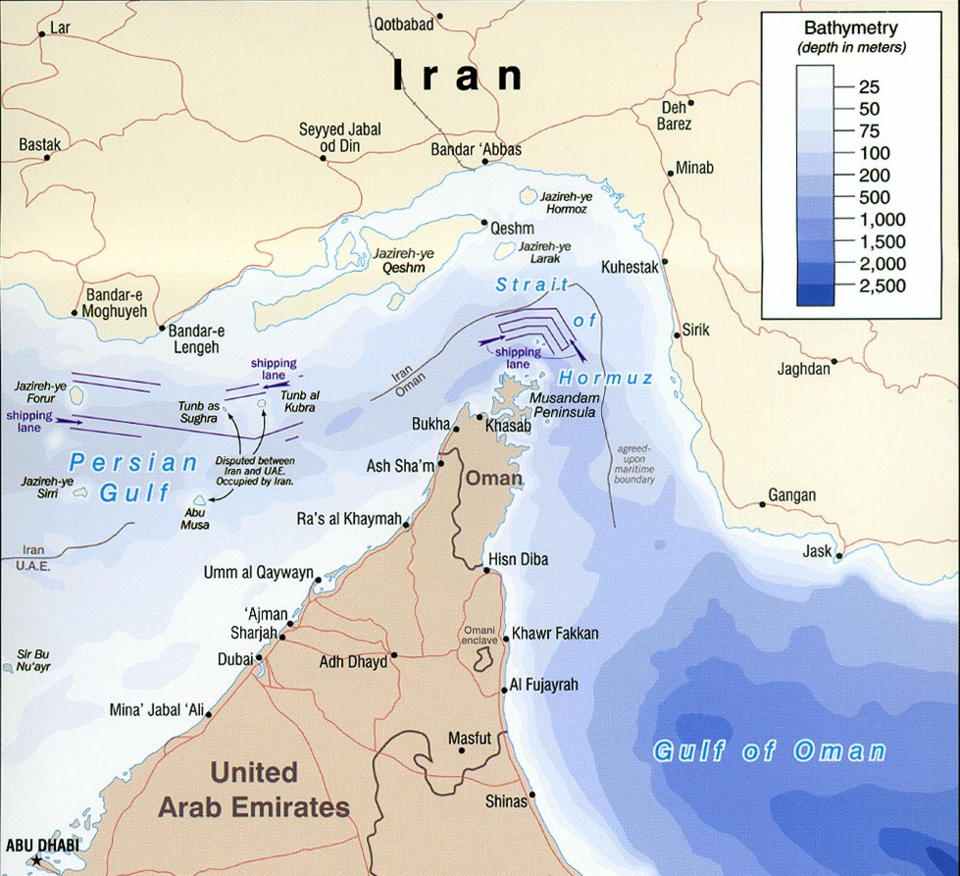
Supporters of the memorandum argue that it has helped reduce tensions surrounding the Strait of Hormuz, although standoffs and technical negotiations remain ongoing. Following a severe escalation in hostilities, officials from both countries said they have continued to engage in tense technical talks amid mutual accusations of broken terms. Utilizing an MoU as opposed to a formal treaty can produce some profound benefits. A formal treaty requires two-thirds of the US Senate for ratification. This requirement can create a significant bottleneck in the process. Moreover, as new hostilities emerge, there is also the potential that those new hostilities will violate the terms of any existing contract. This could result in the collapse of the peace process.
Because an MoU serves as a framework agreement rather than a formal treaty, its flexibility allowed both parties to resume negotiations. As a result, the parties were able to resume negotiations instead of allowing the dispute to escalate further or pursuing formal legal remedies.
Framework for Ongoing Negotiations
According to the publicly released memorandum, the fourteen-point framework agreement was signed by U.S. President Donald Trump and Iranian President Masoud Pezeshkian on June 17, 2026. Although military clashes in the Persian Gulf temporarily complicated negotiations, officials from both countries have said peace talks remain ongoing. Officials have said technical talks are expected to take place in Doha, Qatar. According to the memorandum, its principal provisions include: 1) to remove the US naval blockade in the Strait of Hormuz; 2) to end all military activity in the region; and 3) that a sixty-day period be set aside to negotiate a final agreement on a wider peace settlement.
Conclusion
According to the memorandum, the United States agreed to concessions that include lifting certain sanctions on Iranian crude oil and releasing specified frozen or restricted funds. This constitutes the roles and obligations, just one part of the many we have discussed. Geopolitical documentation can be unwieldy, even among specialists. However, it is important to be able to understand the basic idea of something that affects global political and economic affairs so drastically.
Sources:
Georgia Tech Office of General Counsel. “Memorandums of Understanding (MOUs).“
United Nations Treaty Collection.
United Nations Office of Legal Affairs
Cornell Law School Legal Information Institute – memorandum
BBC News – Ethiopia signs agreement with Somaliland paving way to sea access
Editor’s Disclaimer: This article is intended for informational and educational purposes only. It provides a general overview of memorandums of understanding (MoUs) and discusses publicly reported diplomatic developments based on information available at the time of publication. It should not be construed as legal advice, official government policy, or a comprehensive analysis of any specific agreement. Readers are encouraged to consult official government publications, treaty databases, and qualified legal professionals for authoritative guidance regarding international agreements and their legal implications.
