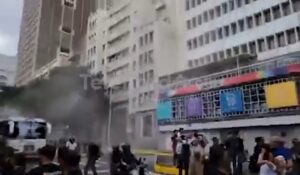
CARACAS, Venezuela — Venezuela’s recovery from the June 24, 2026, earthquakes will be measured not only by cleared rubble and delivered aid, but also by the resilience of responders and families finding hope amid unimaginable devastation.
Two powerful earthquakes, measuring 7.2 and 7.5, struck northern Venezuela 39 seconds apart, causing widespread destruction. Entire neighborhoods were reduced to rubble, while hospitals, schools, transportation, and essential services suffered severe damage. Rescue efforts began immediately, with emergency responders, volunteers, and international teams working to free people trapped beneath collapsed buildings.
Rescue Efforts Begin Immediately
Search-and-rescue teams have continued working through damaged neighborhoods as families await news of missing relatives. Heavy machinery, rescue dogs, and specialized equipment have been deployed to locate potential survivors beneath collapsed structures.
Those scenes have become powerful reminders that disaster recovery is about people as much as infrastructure.
International Assistance Expands the Response
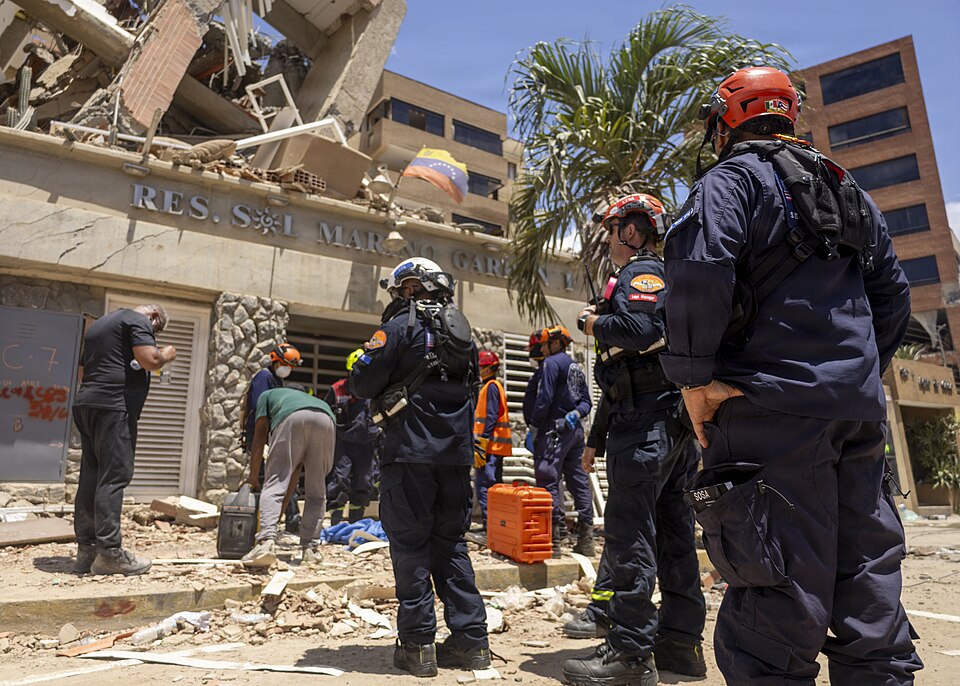
Shortly after the earthquakes, international humanitarian assistance began arriving in Venezuela. The city’s rescuers, physicians/medical teams and construction/engineering teams worked together with members of rescue teams that came from Venezuela as well as other countries to improve their capacity to carry out rescues and save lives after this tragedy. The amount of heavy rescue equipment, temporary medical facilities, communication equipment, and advanced technology that was supplied to local responders has greatly improved the responders’ ability to conduct their operations despite extremely challenging circumstances.
The earthquakes occurred in already challenged communities (socially and economically) and will be much more difficult for these communities to recover from than just rebuilding damaged buildings. Many of the people impacted by this disaster lived with very limited access to either medical services, reliable infrastructure, or a stable source of income.
That reality has shaped the international response as Venezuela earthquake recovery continues to depend on international humanitarian assistance.
The IFRC and the Venezuela Red Cross have deployed emergency teams to provide first aid, medical care, temporary shelter, psychological support, and relief supplies. Volunteers established emergency response points, assessed damage, and helped reunite separated families.
The organization says humanitarian needs continue to evolve as more information emerges from hard-to-reach communities.
Healthcare Becomes a Critical Priority
As Venezuela earthquake recovery continues, healthcare has emerged as one of the most urgent priorities.
PAHO works with local and international partners to strengthen emergency medical services, restore healthcare facilities, and maintain essential medicine supplies. Health care providers stress maintaining essential care for vulnerable populations.
In disaster situations, preventing secondary public health emergencies becomes almost as important as treating injuries sustained during the initial event. Safe drinking water, sanitation, vaccination programs, and disease surveillance all become essential components of recovery.
Supporting Children and Vulnerable Communities
Children remain among those most vulnerable following major earthquakes.
UNICEF has provided medical supplies, nutrition, clean water, child protection, and mental health support to affected communities. Humanitarian workers estimate that hundreds of thousands of children need aid after schools, health facilities, and homes were damaged.
Humanitarian organizations warn that many children may require long-term psychological, educational, and social support following the earthquakes. Mental health specialists note that disasters can have lasting effects on children’s well-being, making child-friendly spaces, counseling services, and continuity of education important components of recovery.
The Challenges Facing Rescue Teams
Search-and-rescue operations remain among the most emotionally demanding aspects of the response.
Specialized rescue personnel routinely work around the clock in carefully coordinated shifts. Engineers evaluate unstable buildings before teams enter dangerous areas. Search dogs, thermal imaging equipment, listening devices, and cameras inserted into crevices can all assist in locating potential survivors trapped under collapsed buildings.
Every successful rescue requires coordination among emergency responders, engineers, medical personnel, and support teams.
Even when survivors cannot be located, recovery teams continue their work with dignity and compassion, helping provide answers to families waiting nearby.
The engineers who are experts in evaluating structural integrity are also embarking on the monumental job of evaluating the safety of structures throughout the affected towns and cities. The engineers will perform rapid evaluations to determine which buildings can be repaired, which buildings must be demolished and which individuals are safe to return home. These evaluations will be a vital part of the reconstruction of Venezuela over the coming months and years.
Engineering teams are conducting structural assessments that may help inform future building resilience and disaster preparedness efforts.
Recovery Extends Beyond the Emergency
Humanitarian organizations stress that Venezuela earthquake recovery extends well beyond the first days following the disaster.
Ongoing international support for food, shelter, clean water, healthcare, education, and economic recovery is needed long after global attention fades.
Relief organizations continue seeking funding to sustain emergency operations, replace damaged medical equipment, restore public services, rebuild schools and infrastructure, and help displaced families rebuild their lives.
Communities Show Remarkable Resilience
Across the affected communities, countless stories have already emerged highlighting extraordinary acts of courage.
Neighbors have worked together to remove debris before professional responders arrived. Medical workers have treated patients despite damaged hospitals and limited resources. Volunteers have distributed food and water, while emergency personnel continue working despite exhaustion and emotional strain.
Though often unreported, these acts of kindness help strengthen humanitarian recovery efforts.
The Long Road Ahead
Venezuela has a vast amount of work ahead for recovery from this disaster. Rebuilding will include restoring homes, schools, hospitals, roads, and other essential infrastructure. The government and its partners continue coordinating long-term rebuilding and recovery efforts.
Although rebuilding may take years, the resilience of survivors, volunteers, healthcare workers, and rescue personnel shows that recovery depends on people working together.
Every survivor rescued, every family reunited, every emergency shelter established, and every delivery of humanitarian aid reflects the strength of international solidarity.
The people of Venezuela still face many challenges as they begin the long road to recovery.
Each day, rescue teams, humanitarian organizations, healthcare workers, and volunteers continue supporting affected communities as recovery efforts progress.
The rebuilding process will require continued cooperation among communities, humanitarian organizations, and government agencies.
Sources:
Earthquake Engineering Research Institute — “Learning from Earthquakes”
ReliefWeb — “Venezuela: Earthquakes – Jun 2026”
Reuters — “International aid heads to Venezuela after deadly earthquake”
Pan American Health Organization — “Venezuela Earthquake Response 2026”
UNICEF — “Devastating earthquakes hit Venezuela”
Reuters — “Venezuela races to rescue hundreds trapped in rubble after major twin earthquakes”
Editor’s Disclaimer: This article is a human-interest feature intended to highlight the humanitarian response and recovery efforts following the June 2026 earthquakes in Venezuela. Information has been compiled from official humanitarian organizations, engineering assessments, and reputable news reporting available at the time of publication, including the International Federation of Red Cross and Red Crescent Societies (IFRC), the Pan American Health Organization (PAHO), UNICEF, ReliefWeb, Learning From Earthquakes (EERI), and Reuters. As emergency situations evolve rapidly, casualty figures, damage assessments, response activities, and recovery needs may change as additional verified information becomes available. Presence News will update this article if significant new information is confirmed through reliable sources.
