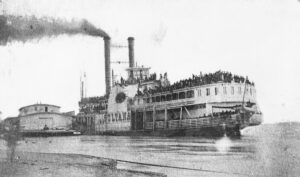
An official U.S. Coast Guard retrospective notes that the Sultana was carrying well over 2,400 men — more than six times its legal capacity — when its boilers catastrophically failed, marking the worst maritime disaster in U.S. history. MyCG
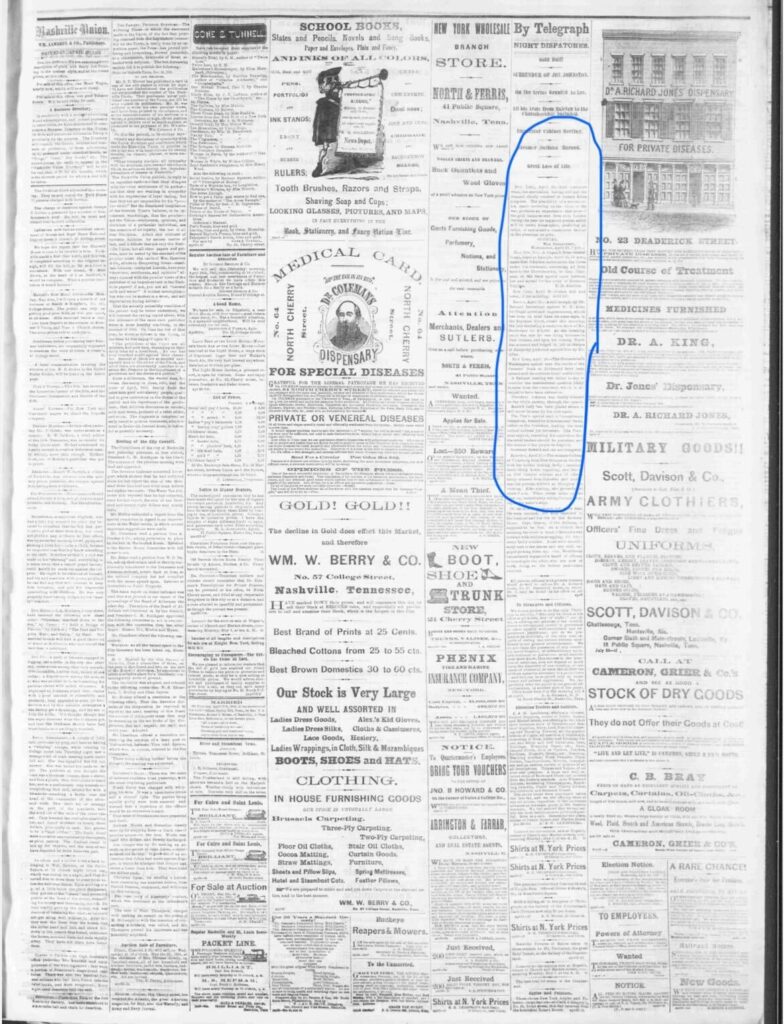
Historic newspaper archives from the Library of Congress Chronicling America project include original coverage of the April 1865 disaster and its aftermath. Research Guides
It wasn’t the Titanic.
It was the Sultana—and almost no one talks about it.
On April 27, 1865, just weeks after the Civil War officially ended, more than 2,000 Union soldiers crowded onto the Sultana, a Mississippi River steamboat designed to carry only 376 passengers. The men boarding were not tourists or wealthy elites. They were survivors—former prisoners of war recently released from Confederate prison camps, including the infamous Andersonville.
Many were weak, malnourished, and sick. But they were free. And they were finally going home.
That journey never happened.
Corruption Before the Explosion
The Sultana’s fatal voyage was doomed before it ever left the dock. Federal officials responsible for transporting soldiers accepted bribes and deliberately ignored capacity limits and safety concerns. A boiler that should have been properly repaired received only a rushed patch. Inspections were rushed—or skipped entirely.
The ship was packed beyond reason. Men were stacked shoulder-to-shoulder on decks, jammed into every available space. Human beings treated like cargo.
2:00 A.M. — The River Turns Deadly
In the early hours of April 27, just north of Memphis, disaster struck.
At approximately 2:00 a.m., the Sultana’s boilers exploded with catastrophic force. The blast tore apart the upper decks, instantly killing hundreds. Fire spread rapidly across the wooden vessel. Survivors were thrown into chaos—many burned alive, others hurled into the Mississippi River.
The river was rushing from spring flooding. The water was freezing. The current was unforgiving.
Men who survived prison camps drowned within sight of rescue.
A Death Toll Greater Than the Titanic
More than 1,150 people died.
That number exceeds the death toll of the Titanic.
It remains the worst maritime disaster in United States history.
Yet most Americans have never heard of it.
Why History Looked Away
The timing sealed the Sultana’s fate in public memory.
President Abraham Lincoln had been assassinated just weeks earlier. The Civil War had ended. The nation was grieving, exhausted, and desperate to move forward. Newspapers gave limited coverage. Investigations stalled. Accountability vanished.
No one was meaningfully punished.
The men who died were mostly poor soldiers—former prisoners, not politicians or tycoons. Their story did not fit the nation’s narrative of victory and reunion.

History Let It Sink—Twice
The Sultana was a floating death trap created by greed, negligence, and indifference.
Packed like cargo.
Destroyed in silence.
And then forgotten.
History didn’t just let the Sultana sink in the Mississippi River—it let it sink in memory.
