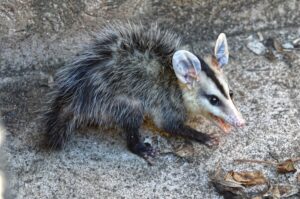
Do Opossums Make Good Pets?
Opossums are wild marsupials native to North America (specifically, the Virginia opossum) and Australia (where different “possum” species live). Despite their gentle demeanor, opossums are not recommended as pets. They are nocturnal, require a specialized diet of insects, fruits, and proteins, and do not adapt well to captivity.
In most U.S. states, it is illegal to keep a wild opossum as a pet without a wildlife rehabilitation permit. Opossums raised in captivity by licensed professionals may be more tolerant of humans, but even then, they are not domesticated animals and can become stressed or frightened easily.
Opossum vs. Dog: Key Differences
| Trait | Opossum | Dog |
|---|---|---|
| Domestication | Wild animal, not domesticated | Fully domesticated companion animal |
| Diet | Omnivore – eats fruits, insects, small animals | Varies by breed – commercial or homemade diet |
| Behavior | Solitary, nocturnal, defensive when scared | Social, trainable, bonds closely with humans |
| Lifespan | 2–4 years (short lifespan) | 10–15 years on average |
| Training | Very difficult to train | Highly trainable with commands |
| Affection | Limited; may tolerate handling | Seeks affection and companionship |
While dogs have evolved alongside humans for thousands of years, opossums have not. Their instincts are focused on survival, not bonding or play. They may hiss, bare their teeth, or even “play dead” when threatened — all normal behaviors in the wild but unsettling in a home.
Are Opossums Dangerous?
Opossums are generally not aggressive and rarely bite unless cornered. In fact, they often try to avoid confrontation. However, there are still safety considerations:
- Bites and Scratches: Opossums have sharp teeth and claws. If frightened, they might lash out defensively.
- Diseases: While opossums have a lower body temperature that makes them less likely to carry rabies, they can host parasites such as fleas and ticks, which may transmit other illnesses.
- Stress in Captivity: Keeping an opossum as a pet can cause severe stress to the animal, leading to poor health and unpredictable behavior.
It’s important to remember that a calm opossum is not necessarily a happy one—it may simply be too scared to react.
The Bottom Line
Opossums are fascinating, gentle creatures that play an important ecological role by eating pests and cleaning up carrion. But as pets, they are not suitable for the average household. They require specialized care, have unpredictable behavior, and are happiest in their natural habitat.
If you’re interested in helping opossums, consider supporting local wildlife rescues or volunteering with licensed rehabilitators rather than attempting to keep one as a pet.
Sources:
- National Wildlife Federation – Opossum Facts
- U.S. Fish & Wildlife Service – Wildlife Rehabilitation Permits
- The Humane Society – Why Wild Animals Don’t Make Good Pets
- Australian Museum – Common Brushtail Possum Facts
