
For years, people have sought the best ways to slow down the aging process and discover the fountain of youth. From weight loss to skincare, products have promised to be the best way to hold back the hands of time. However, researchers have investigated only a small number of therapies for their potential to slow aspects of biological aging. Several biological aging drugs are now being studied as promising candidates in this field.
Recent studies have shown partial reversal of some cellular aging markers through cellular reprogramming and senolytics. However, they have not reversed aging in humans.
The results show that there are some biological functions related to the aging process that could be more flexible than previously anticipated. Yet aging itself cannot be stopped. Scientists have identified several substances that may influence biological processes linked to aging. However, none has been proven.
Though the progress made by medicine gives us a fantastic opportunity and insight, it is still not the solution to the problem of aging. Human biology is highly complex, and researchers have yet to develop a way to stop or reverse human aging.
This article examines the emerging field of biological aging drugs, longevity science, and aging therapeutics. It includes current research on semaglutide and senolytics.
Why Scientists Study Aging
In order to understand the factors behind the scientific inquiries into aging, it is important to distinguish between the two terms, chronological age and biological age. Chronological age corresponds with the period since one was born. Whereas biological age is concerned with how an individual’s cells, or tissues, and organs operate and how they are made up.
Scientists believe slowing biological aging could eventually reduce the risk of the following diseases.
Heart Disease: Researchers believe slowing cellular aging may help protect blood vessels by reducing endothelial dysfunction. Additionally, it may reduce arterial stiffening and plaque buildup.
Alzheimer’s Disease: Researchers are investigating whether therapies that preserve cellular waste management (autophagy) could reduce the buildup of amyloid-β plaques. At the same time, they target misfolded tau proteins and chronic neuroinflammation.
Type 2 Diabetes: Some experimental therapies aim to improve nutrient sensing and mitochondrial function. This may help maintain insulin sensitivity and metabolic health.
Arthritis/Osteoarthritis: Researchers believe removing senescent (“zombie”) cells may reduce the inflammatory signals that contribute to joint degeneration.
The ultimate objective of longevity science is shifting the medical paradigm from merely extending lifespan to actively maximizing healthspan. While lifespan represents the total number of years an organism remains alive, healthspan defines the period of life spent free from chronic disease, cognitive decline, and functional disability.
The New Drug Discovery
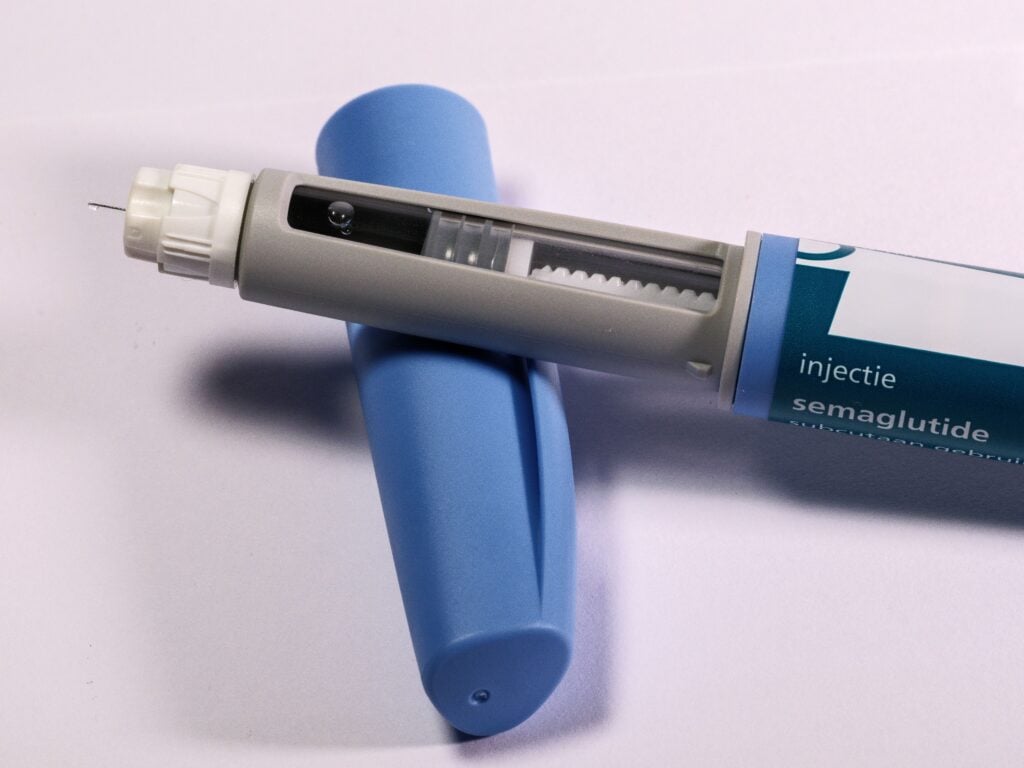
One of the most recent biological age drugs being looked into has gained fame due to new studies involving semaglutide.
Researchers at the UC San Diego School of Medicine and other leading research organizations took part in a major clinical trial. Researchers conducted a landmark 32-week, double-blind clinical trial, published in Nature Communications, involving participants with HIV-associated lipohypertrophy. It turned out that semaglutide was able to improve the parameters of numerous biological aging markers in HIV-infected individuals.
The scientists relied on DNA methylation-based “epigenetic clocks” and found that weekly injections of semaglutide positively influenced several markers indicative of biological age. This was in contrast with the case of using a placebo.
The drug evaluated in the clinical trial was semaglutide, a glucagon-like peptide-1 (GLP-1) receptor agonist commonly prescribed for type 2 diabetes and obesity. Researchers reported that semaglutide improved participants’ metabolic health. Among the results are normalization of blood sugar, enhancement of nutrient sensing, and decrease of dangerous fat. In addition, researchers believe semaglutide may influence several biological pathways linked to aging. These include systemic inflammation, visceral adiposity, chronic immune activation, and cellular stress responses.
Clinical Trial Design and Results
The process of testing did not involve any laboratory animals but only human beings. The clinical trial included 108 adults with HIV-associated lipohypertrophy, a condition associated with accelerated biological aging. 50% of the subjects received a semaglutide shot every week while the other half received placebo medication during the 32-week study period. According to one epigenetic clock used in the study, participants treated with semaglutide demonstrated approximately a 9% slower measured pace of biological aging compared with the placebo group. Researchers estimated that this corresponded to approximately 4.9 fewer biological years according to their epigenetic clock models. Additionally, the semaglutide group also showed improvements in biomarkers associated with lower estimated all-cause mortality risk. Researchers suggested these improvements may have been related to reductions in chronic inflammation. They may also relate to other biological processes associated with aging.
How These Drugs May Slow Aging
Researchers are investigating whether biological aging drugs can slow certain biological processes associated with aging by reducing cellular damage. As time passes and we age, for that matter, our cells face a steady buildup of damage. As people age, mitochondrial function gradually declines, reducing the amount of energy cells can produce. Researchers are studying whether senolytics and other therapies may improve cellular function by removing damaged senescent cells. On the other hand, there are cells that are worn out over time and at the point of no repair. “Zombie cells” are worn-out cells that refuse to die. Senolytics are designed to selectively eliminate these senescent, or “zombie,” cells. Also, these types of medications are associated with reducing age-related inflammation.
Some of these medications can also contribute to protein recycling. Over time, the proteins that cells accumulate are often deformed and damaged. Researchers are investigating therapies that may improve the recycling and removal of damaged proteins within cells. Also, aging often causes the flipping of the wrong biological switches. Some experimental therapies aim to modify epigenetic markers that influence how genes are expressed.
A New Era of Preventative Medicine
If these anti-aging drugs are proven successful, public health could be transformed as global illness could be compressed. Simultaneously, these therapies could delay the onset of multiple age-related conditions. If one’s organ system is able to function longer, older adults just might experience an improved quality of life with longer periods of independence and sharper cognitive function. Also, this would reduce healthcare costs associated with illness. Chronic diseases associated with aging account for trillions of dollars in healthcare spending worldwide. Reducing the burden of chronic disease could significantly lower healthcare costs over time. Nonetheless, it’s important to remember that all of these potential benefits of age-preventative medications are clearly speculative. Moreover, more research must take place.
Limitations and Remaining Questions
In spite of positive recent discoveries, scientists still exercise caution when drawing general conclusions. Many studies investigating the possibility of slowing the biological aging process are still at an early stage of their development, and most of the promising treatments work more effectively in laboratory studies or studies conducted on animals than in human beings. Even if positive results are achieved at the initial stage of clinical studies, larger and longer studies should be conducted to prove the efficiency and safety of the treatments on various population groups. Scientists do not yet know whether these treatments can be used for a long time or whether there can be any adverse effects after long-term application of these treatments. It is important to note that it takes a considerable time to apply the results of the research received in the laboratory into practice, and the first requirement is to conduct clinical trials and wait for the approval of regulatory companies.

What Comes Next
Researchers plan further clinical trials to evaluate whether these drugs can slow biological aging. They will study different doses, drug combinations, and longer treatment periods to better understand these medications. Researchers also want to determine whether these therapies remain effective across different population groups.
Conclusion
Although biological aging drugs remain experimental, clinical trials will determine whether they can safely improve healthspan or reduce age-related disease. An emerging area of research is longevity and how scientists approach the concept of aging and diseases related to age. Although no treatment can halt or reverse aging, recent studies suggest some therapies may slow certain aging processes. Rather than seeking a “fountain of youth,” researchers aim to extend healthy, independent lives. Although many questions remain, ongoing research may improve quality of life and reduce chronic illness.
Sources:
National Institute on Aging (NIA) – Healthy aging
World Health Organization (WHO) – Ageing and Health
Editor’s Disclaimer: This article is intended for informational and educational purposes only and is based on published scientific research available at the time of writing. While it discusses experimental therapies and emerging research into biological aging, none of the medications or treatments described have been proven to stop or reverse human aging, and most remain under investigation. References to specific drugs, including semaglutide, relate to ongoing scientific studies and should not be interpreted as endorsements or as evidence that these medications are approved for anti-aging purposes. Readers should consult qualified healthcare professionals before making any medical decisions or changes to their treatment based on information presented in this article.
