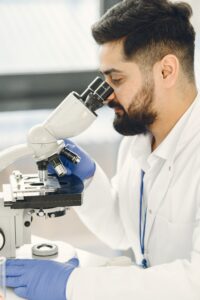
Researchers have rejuvenated human cells in the laboratory, but until now, the approach had never been tested in humans. Cellular reprogramming therapy may help reverse aging and restore cell function. For decades, scientists have believed aging’s biological effects could be reversed, though success has so far been limited to laboratory animals.
That changed in June 2026 when Life Biosciences announced that the first patient had received ER-100, an experimental cellular reprogramming gene therapy. The milestone marks the first human use of a therapy designed to reverse cellular aging.
The drug is currently being tested in a Phase I trial involving patients with optic neuropathies, including NAION. NAION is an optic nerve disease that results in damage to the optic nerve and potentially blinds someone.
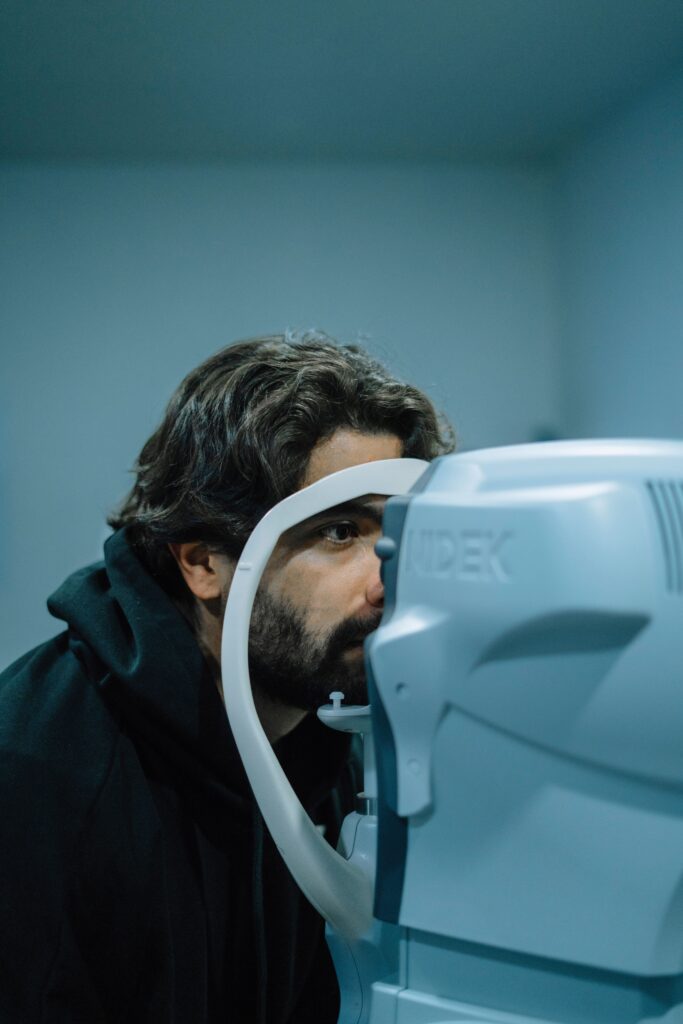
A key goal of this study is to determine whether age or damaged retinal ganglion (nerve) cells can be rejuvenated and if some restoration of these nerves may lead to improved vision.
What Is Cellular Reprogramming?
Cellular reprogramming is based on one of the most significant discoveries in modern biology. In 2006, Shinya Yamanaka was the first scientist to show that mature cells, which had been fully developed, could be reprogrammed back to their original state of pluripotency (embryonic stem cell) using just four specific genes- known as Yamanaka Factors- added to mature cells; he was the first person in history to do so.
Yamanaka made an incredible discovery that challenged accepted views about cell identity and helped him win the Nobel Prize in Physiology and Medicine in 2012. It also suggested a way to reverse many biological markers associated with senescence; however, if you do a complete reprogramming of a cell, you will lose its specialized function, so there is some concern about the safety of this and an increased chance of developing cancer.
To address these risks, researchers developed a modified approach called partial cellular reprogramming. Rather than completely resetting cells to an embryonic-like state, partial reprogramming aims to reverse age-related damage while preserving a cell’s identity and function. This strategy has emerged as one of the most promising avenues in longevity research.
Growing evidence has revealed that non-genetic mutation-related factors also play a role in the process of aging through changes in epigenetics (the chemical markers that determine how genes are expressed). Researchers believe that rejuvenating an older epigenetic pattern may assist in the regeneration of cellular functions previously lost through age and disease. During the last 10 years, studies have demonstrated that even with partial reprogramming, restoration of tissue function and an extension of lifespan can occur in animals.
The Science Behind ER-100
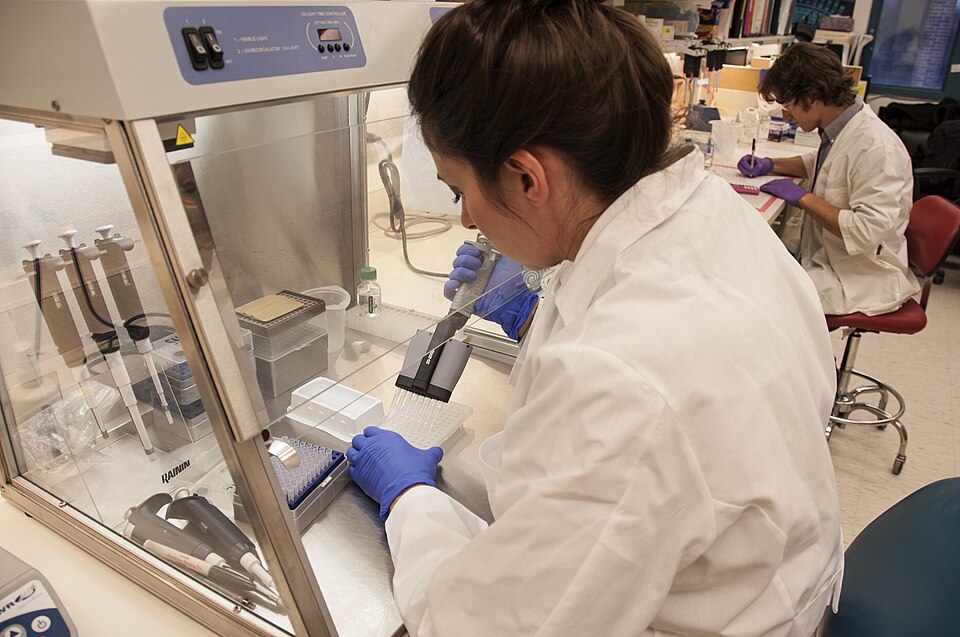
Life Biosciences’ cellular reprogramming therapy seeks to harness this concept through gene therapy. The treatment uses an engineered viral vector to deliver selected reprogramming factors directly into cells of the eye. The goal is to restore youthful gene expression without reverting cells to a stem-cell state.
Preclinical studies have shown that cellular reprogramming can regenerate damaged optic nerves and restore vision in animals. Studies in mice and non-human primates found that aged retinal cells regained characteristics of younger, healthier cells. These results served to support regulatory approvals for the first human clinical trials.
This present research study is mainly aimed at evaluating safety but not effectiveness. About 18 patients are expected to enroll in the trial to assess the therapy’s safety. Researchers will also collect preliminary data on biological responses and potential vision improvements.
Building on Years of Research
The trial represents the culmination of years of work in regenerative medicine and aging biology.
Research published in Nature Communications suggests that age-related changes in gene regulation may be reversible under certain conditions. Experimental studies have demonstrated that reprogramming interventions can produce youth-like molecular patterns within aged cell lines and body organs/tissues. This has led researchers to develop therapies that target the root causes of aging rather than individual age-related diseases.
Researchers have also studied how cells maintain their identity and why this process breaks down over time. There is a growing perception by researchers that aging is an accumulation of epigenetic changes that result in cellular dysfunction and a loss of its capacity to reproduce. Reprogramming techniques aim to address the underlying causes of aging rather than simply treating its symptoms.
This field has drawn considerable interest from both biotech firms and investors alike. Pharmaceutical companies and investors have poured money into longevity research, viewing aging as a potentially treatable biological process.
Promise and Caution
Despite the excitement surrounding the first human treatment, experts emphasize that significant scientific hurdles remain.
One of the primary concerns involves safety. Because cellular reprogramming alters genetic and epigenetic processes, researchers must carefully monitor potential risks such as uncontrolled cell growth. Excessive reprogramming can cause cells to lose their identity, making precise control essential.
Scientists also caution that success in animal models does not guarantee success in humans. Many promising biomedical interventions have produced impressive results in mice only to fail during human clinical testing. Determining whether cellular rejuvenation benefits humans will require years of research and clinical trials.
Nevertheless, the initiation of human testing represents a historic moment for the field. If successful, cellular reprogramming therapies could treat a range of age-related diseases, including glaucoma, neurodegenerative disorders, and cardiovascular disease.
For now, the first patient treated with ER-100 marks the beginning of a potentially transformative chapter in medicine. Whether cellular reprogramming will fulfill its promise remains unknown, but human trials are now underway after years of laboratory and animal research. The trial’s results may reveal whether age reversal can become a reality in medicine.
Sources:
Nature Communications — “The long and winding road of reprogramming-induced rejuvenation”
Business Insider — “The first-ever reverse-aging drug was just injected into a human”
Editor’s Disclaimer: ER-100 remains an experimental therapy currently being evaluated in a Phase I clinical trial. The treatment has not been approved for general use, and its safety and effectiveness have not yet been established. Findings from laboratory and animal studies do not necessarily predict outcomes in humans.
