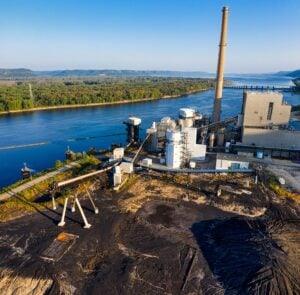
Bayer AG, a German multinational pharmaceutical, biotechnology, and agricultural company, is a major producer of glyphosate and the sole domestic producer of elemental phosphorus in the United States.
Bayer became the manufacturer of Roundup after acquiring Monsanto and remains one of the world’s largest agricultural and biotechnology companies.
In February 2026, President Trump issued an executive order invoking the Defense Production Act to support domestic production of glyphosate and elemental phosphorus.
Research into Bayer’s phosphorus production also revealed the material’s role in both agricultural and military applications.
Human rights organizations have argued that the use of white phosphorus in populated civilian areas may violate international humanitarian law. Human Rights Watch and Amnesty International have argued that incidents involving airburst white phosphorus munitions over residential areas violated international humanitarian law.
Questions have also been raised about the broader phosphorus supply chain and Bayer’s role as a major producer of elemental phosphorus.
What is White Phosphorus?
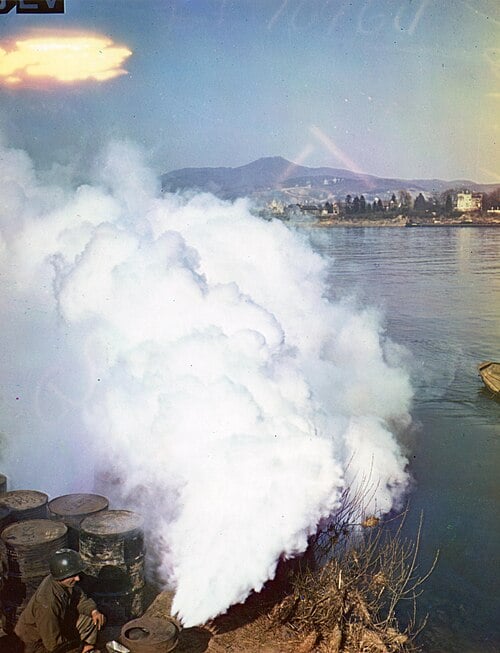
White phosphorus is an extremely reactive, highly toxic, translucent chemical that has a waxy texture. The chemical is often described as having an odor similar to garlic.
An allotrope of phosphorus, the waxy substance, spontaneously ignites when it contacts oxygen. This results in an intense crucible-like burning that produces temperatures up to 1,500°F while producing clouds of dense white smoke.
Because of these features, it is mostly used in military scenarios and highly specific industrial chemical manufacturing applications.
The Accusations of Unlawful Use of White Phosphorus by The IDF
Human Rights Watch and Amnesty International have argued that three documented incidents involving airburst white phosphorus munitions over residential areas may have violated international humanitarian law.
Some human rights organizations have criticized certain airburst white phosphorus attacks as indiscriminate because fragments can spread across large areas.
According to Human Rights Watch and Amnesty International, these incidents may constitute violations of international humanitarian law.
International Humanitarian Law (also known as IHL) mandates that militaries must take all feasible precautions to reduce harm from these attacks on civilians.
Critics of Israel’s use of white phosphorus argue that alternative smoke-screening methods were available and could have reduced the risk to civilians.
Humanitarian organizations have criticized these incidents as creating unnecessary risks to civilians.
White phosphorus can cause severe burns and injuries when it comes into contact with human tissue.
Bayer and Elemental Phosphorus Production
Bayer is the sole domestic producer of elemental phosphorus in the United States. According to reporting by The New York Times, elemental phosphorus is used in a variety of industrial applications, including the production of glyphosate and certain military munitions.

Because elemental phosphorus serves both commercial and defense-related purposes, the material has become strategically important to U.S. supply chains. However, the available reporting reviewed by Presence News does not establish that Bayer-produced phosphorus was used in any specific white phosphorus munition or military operation.
Bayer’s Role in the Phosphorus Supply Chain
Bayer’s role in phosphorus production has generally been treated as a legal industrial activity. They make and sell elemental phosphorus, which isn’t itself illegal.
Bayer runs the sole domestic elemental phosphorus plant in the United States. Public reporting reviewed by Presence News does not indicate that Bayer controls the end use of phosphorus after it enters commercial supply chains.
The U.S. government considers elemental phosphorus vital to national defense and uses federal policies to protect related supply chains.
Legal Questions and Accountability
As a result, regulators generally regard Bayer’s production of the raw material as a legal industrial activity rather than participation in military operations.
International law adds another layer of complexity. White phosphorus itself is not universally banned. Existing legal frameworks permit the use of such munitions for smoke screens, illumination, and battlefield concealment. Investigators typically focus on how these munitions are used and their impact on civilians rather than on the manufacturers of their components. Historically, international humanitarian law has held governments, military commanders, and combatants accountable for war crimes. When chemical manufacturers supply materials used in weapons, legal accountability for their role is often limited. International watchdogs tend to criticize weapon users rather than the suppliers. Human rights organizations continue to debate the legality of using white phosphorus in densely populated civilian areas. As a result, public scrutiny and legal accountability have generally focused on governments and military forces rather than manufacturers of raw materials.
Sources:
“The New York Times — “A Trump Order Protected a Weedkiller. And Also a Weapon of War.”
Al Jazeera — “Israel unlawfully used white phosphorus in Lebanon: HRW”
Le Monde — “Human Rights Watch accuses Israel of ‘unlawfully’ using white phosphorus in new Lebanon attacks”
Editor’s Note: This article discusses allegations regarding the production, distribution, and use of white phosphorus. References to potential violations of international law, unlawful conduct, or war crimes are based on reports, statements, and findings published by human rights organizations, journalists, and other cited sources. Presence News does not independently determine criminal liability or make legal conclusions regarding governments, military organizations, corporations, or individuals. Readers are encouraged to review the cited source material for additional context and information.
