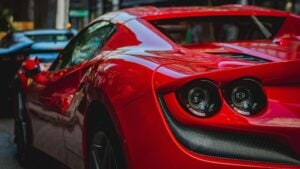
Ferrari’s shift to electric vehicles is becoming one of the most controversial moments in the brand’s modern history. The debut of a Ferrari electric vehicle marks a new era for the iconic brand.
Ferrari shares fell following the unveiling of the Luce, its first fully electric vehicle and a sharp break from the brand’s traditional supercars. The four-door EV reportedly starts above $640,000 and quickly sparked debate among investors, enthusiasts, and analysts.
The unveiling represented more than just a new product launch. The launch could represent Ferrari’s most significant brand gamble in a decade.
Ferrari’s Biggest Identity Test Yet
But the market’s initial response suggests many remain unconvinced.
Ferrari sees the Luce as a high-risk push into the EV era while trying to preserve the brand’s emotional appeal.
Ferrari’s challenge is unique because the company sells more than performance cars. It sells emotion, prestige, sound, and tradition.
The Luce attempts to redefine what a Ferrari can be in the electric age.
A Radical Design Departure
The vehicle unveiled in Rome reflects a sharp departure from Ferrari’s traditional low-slung supercar designs.
Ferrari gave the Luce a larger four-door design and partnered with LoveFrom, the design firm founded by Jony Ive and Marc Newson.
The result has divided both the automotive industry and Ferrari’s loyal fan base. Wired noted that the Luce “completely breaks the Italian car maker’s aesthetic archetype,” underscoring concerns that Ferrari may be drifting too far from its traditional identity.
Some critics praised the Luce for embracing a futuristic minimalist aesthetic and attempting to rethink luxury EV interiors. Some critics argued that the car deviated too sharply from Ferrari’s historical identity. Former Ferrari chairman Luca di Montezemolo publicly condemned the vehicle, and some users took to social media after the car was unveiled to mock various features of its design and styling.
Why Enthusiasts and Investors Are Nervous
The backlash reflects broader tensions facing luxury automakers as governments, investors, and global markets continue pushing the industry toward electrification. Many enthusiasts still associate high-performance vehicles with combustion engines.
Luxury performance brands face intense scrutiny when introducing fully electric models, particularly when their identities are closely tied to engine sound and driving tradition. Ferrari understands the risks it takes when launching an all-electric car under the Ferrari Brand. They made it clear that the goal of electrification is to develop their future & not replace their past.
Ferrari CEO Benedetto Vigna said the automaker plans to continue investing in petrol, hybrid, and fully electric cars “to offer our clients maximum freedom of choice” as the company advances its electrification strategy.
Still, many investors remain uncertain about whether affluent buyers truly want an electric Ferrari experience at a time when luxury EV demand remains uneven across global markets.
That strategy may ultimately prove successful. Ferrari has historically benefited from exclusivity, limited production, and strong pricing power. Although Ferrari has historically succeeded with controversial models over time, the EV market introduces new risks that luxury automakers have not previously faced.
Reuters noted that “the Luce comes at a time of doubts over electric sports cars,” underscoring broader uncertainty surrounding demand for ultra-luxury EVs.
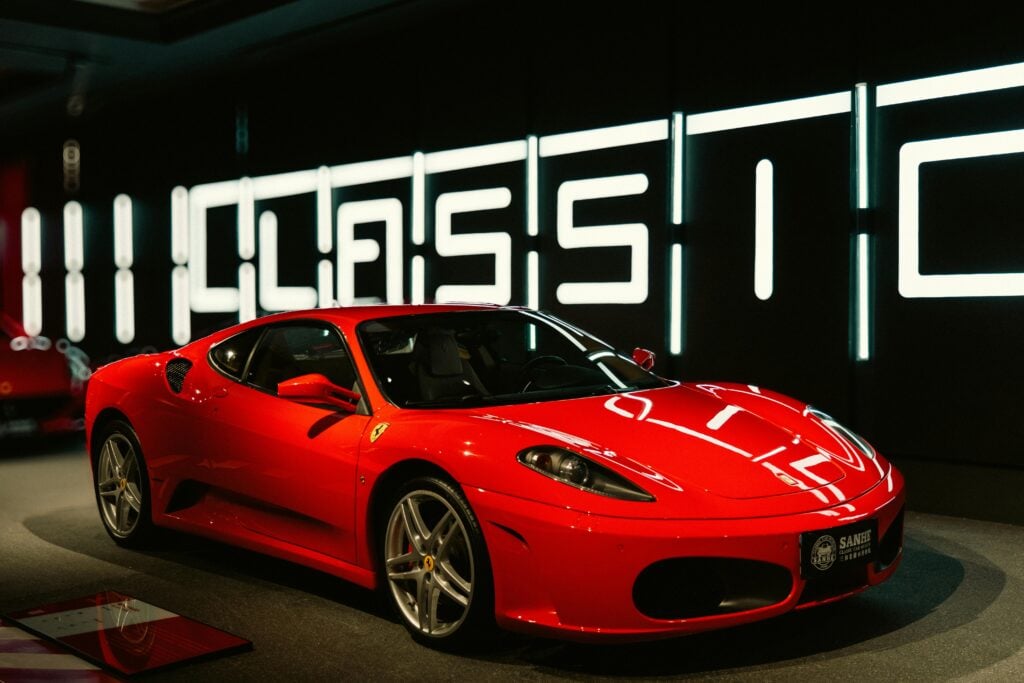
Ferrari Enters an Intensifying EV Race
At the same time, competition in the EV market has intensified dramatically. Tesla and several Chinese automakers have helped redefine expectations for electric performance, acceleration, and in-car technology. Analysts have also noted the rapid pace at which Chinese EV manufacturers are releasing increasingly advanced vehicles, with some models now rivaling or surpassing the performance benchmarks traditionally associated with combustion-powered supercars.
Ferrari is betting that luxury buyers still value craftsmanship, heritage, exclusivity, and emotional branding enough to distinguish the Luce from other EV offerings.
Automotive publications have emphasized that Ferrari attempted to engineer the Luce around emotional experience rather than simply raw electric performance metrics.
Road & Track reported that Ferrari intentionally chose a larger five-seat configuration because the electric platform allowed engineers greater flexibility in packaging, weight distribution, and interior comfort. Rather than attempting to imitate a traditional combustion Ferrari, the company sought to design an EV around the strengths of electric architecture itself.
Meanwhile, Car and Driver described the Luce as Ferrari’s boldest design departure in years, noting that the automaker appears willing to alienate some traditional enthusiasts in pursuit of long-term evolution.
The Verge highlighted another controversial aspect of the vehicle: its Apple-like design influence. The publication argued that the Luce’s interior blends tactile physical controls with restrained digital interfaces in a way that differs sharply from many modern EVs dominated by oversized touchscreens.
For some observers, those design choices make the Luce feel more like a luxury technology product than a conventional supercar.
That comparison may not be accidental.
Jony Ive’s involvement has fueled speculation that the Luce reflects ideas originally explored during Apple’s abandoned electric vehicle project. Wired noted that Ferrari and LoveFrom created a vehicle intentionally “out of line” with traditional automotive design, emphasizing minimalism and a futuristic user experience.
Still, Ferrari faces a difficult balancing act.
Can an Electric Ferrari Still Feel Like a Ferrari?
Much of Ferrari’s mystique comes from nostalgia and tradition. For many buyers, Ferrari ownership represents entry into a legacy of motorsport, engineering excellence, and Italian craftsmanship.
Electric vehicles disrupt that formula.
Many enthusiasts believe Ferrari’s identity is at risk without the sound and feel of its signature engines. Wired described the Luce as both impressive and “heartbreaking,” reflecting the emotional divide surrounding Ferrari’s electric transition.
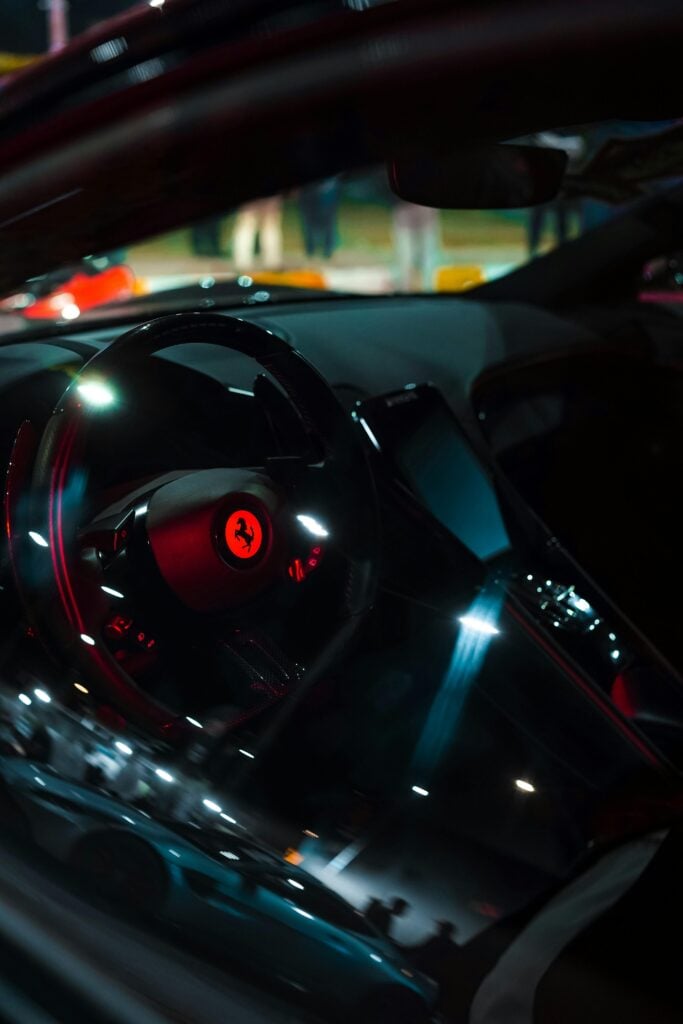
Why Ferrari Believes Electrification Is Unavoidable
Yet Ferrari may have little choice but to adapt.
As emissions regulations tighten globally, younger luxury consumers increasingly associate performance with advanced technology and sustainability. Ferrari itself has already committed to increasing the share of electric and hybrid vehicles in its future lineup.
A High-Stakes Gamble for Ferrari’s Future
The Luce, therefore, represents more than a single model launch. It is a test of whether Ferrari can reinvent itself without losing the identity that made the brand valuable.
For investors, the concern is understandable. Ferrari has spent decades building one of the world’s strongest luxury brands, making any threat to that image a source of uncertainty.
Ferrari appears willing to accept short-term backlash to secure its long-term future in a rapidly changing industry.
Some analysts believe that the Luce’s success or failure could influence how Ferrari’s brand evolves.
Sources:
Top Gear — “It’s finally here: meet the Ferrari Luce, Maranello’s first ever fully electric car”
Reuters — “Ferrari aims to prove doubters wrong after divisive EV debut”
The Verge — “Jony Ive’s Ferrari looks nothing like a Ferrari: Ferrari fans are losing it.”
WIRED — “I Like the Ferrari Luce EV, but This Is Why It’s Heartbreaking”
Reuters —Ferrari prepared for years for its first EV, chairman says
Car and Driver — “Ferrari Goes Electric: The Luce Is Here!”
Reuters — “Ferrari’s Luce leads bold leap into uncertain electric era”
Ferrari — “Ferrari Luce: Engineering”
Editor’s Note: This article contains analysis and commentary based on publicly available reporting, market reactions, and statements from industry figures. References to Ferrari, Reuters, Wired, Road & Track, Car and Driver, and other publications are included for contextual and editorial purposes.
