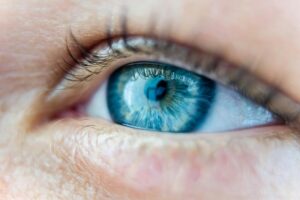
Colored contact lenses have become increasingly popular over the last few years. From social media creators and Halloween costumes to fashion shoots and nightlife culture, cosmetic lenses are everywhere. Some people use them to subtly enhance their eye color, while others go for dramatic looks like icy blue, bright green, cat-eye styles, or even full theatrical effects.
But while cosmetic contact lenses may look harmless online, eye doctors continue to warn that they are still medical devices — even if they do not correct your vision. That means the wrong lenses, poor hygiene, or unsafe sellers can potentially lead to infections, scratched corneas, or long-term vision problems.
The good news? There actually is a safe way to buy and wear colored contacts if you do it correctly.
Why Cosmetic Contacts Can Be Risky
A lot of people assume decorative contacts are similar to makeup or fashion accessories. They are not.
Unlike sunglasses or cosmetics, contact lenses sit directly on the surface of your eye. If a lens is poorly made, does not fit correctly, or is contaminated with bacteria, it can quickly become a serious issue.
One of the biggest problems is that many cheap cosmetic lenses sold online are not properly regulated. Some are manufactured with lower quality materials, poor oxygen flow, or incorrect sizing. Even if the lenses “look fine,” the fit may not match the shape of your eye.
That can cause:
- Eye irritation
- Redness
- Dryness
- Corneal scratches
- Blurry vision
- Pain or swelling
- Infections
- Light sensitivity
In more severe situations, untreated infections can potentially lead to corneal ulcers or permanent vision loss.
Doctors especially warn against lenses sold at:
- Gas stations
- Beauty supply stores
- Costume shops
- Flea markets
- Random social media ads
- Overseas websites that skip prescriptions
If a website says “no prescription needed,” that is usually a major red flag in the United States.
Yes — Even Non-Prescription Colored Contacts Require a Prescription
This surprises a lot of people.
Even if the lenses are purely cosmetic and do not help your eyesight at all, U.S. law still classifies them as medical devices. That means a prescription is legally required.
The reason is simple: an eye doctor needs to measure your eyes properly to make sure the lens fits safely. Two people can have perfect vision but completely different eye shapes and sizes.
A poorly fitting lens can rub against the eye every time you blink. Over time, that irritation can damage the cornea or create openings where bacteria can enter.
Many eye doctors say the fitting itself is just as important as the lens quality.
The Biggest Mistake People Make
One of the most common risky behaviors is sharing contact lenses with another person.
Some people share contacts for photos, parties, or events without realizing how dangerous it can be. Sharing contacts can transfer bacteria, viruses, or other contaminants directly into another person’s eye.
Another major issue is sleeping in cosmetic contacts that are not approved for overnight use. Your eyes already receive less oxygen while sleeping. Adding cosmetic lenses into that situation can dramatically increase irritation and infection risk.
Water exposure is another problem many people overlook.
Doctors generally advise people to avoid:
- Showering with contacts
- Swimming with contacts
- Washing contacts with tap water
- Storing contacts in water
Water can contain microorganisms that may cause severe eye infections.
So What Is the Safe Way to Buy Them?
If someone wants to wear cosmetic contacts safely, there is a much smarter way to do it.
Step 1: Get a Proper Eye Exam
Even if your vision is perfect, an eye exam allows an eye doctor to:
- Measure your eyes
- Check eye health
- Determine proper lens sizing
- Recommend safer brands and materials
The exam is not only about vision correction — it is about making sure your eyes can safely tolerate contact lenses.
Step 2: Buy From a Legitimate Seller
A trustworthy seller should:
- Require a prescription
- Verify the prescription
- Sell FDA-cleared or doctor-approved brands
- Provide sealed sterile packaging
Good signs usually include:
- Clear company information
- Customer support
- Proper hygiene instructions
- Real manufacturer labeling
Bad signs include:
- “One size fits all”
- No prescription verification
- Extremely cheap pricing
- Unlabeled packaging
- No return or safety information
Step 3: Learn Proper Hygiene
A lot of contact-related issues come from poor cleaning habits rather than the lenses themselves.
Safe habits include:
- Washing hands before touching lenses
- Using fresh contact solution
- Replacing the storage case regularly
- Removing lenses if eyes become irritated
- Following wear-time limits exactly
One mistake many people make is “topping off” old contact solution instead of replacing it completely. Eye doctors say that can allow bacteria to build up inside the case.
Daily Wear vs. Long Wear
Many eye doctors believe daily disposable contacts are often safer for cosmetic use because they reduce the amount of bacteria buildup and cleaning mistakes.
Reusable lenses can still be safe, but they require more discipline with storage and cleaning.
People who only wear cosmetic contacts occasionally for events or content creation may find daily disposables easier and lower maintenance.
Social Media Trends and Reality
Platforms like TikTok, Instagram, Snapchat, and cosplay communities have massively increased the popularity of colored contacts. Some looks online can be extremely dramatic and visually striking.
But viewers should remember that influencers often:
- Use professional lighting
- Edit footage
- Wear lenses briefly for filming
- Have sponsorships with specific brands
- Work with stylists or makeup artists
That does not automatically mean the products are unsafe, but it does mean consumers should avoid impulse-buying random lenses from viral ads without researching them first.
Can you wear colored contacts when you are outside in the sun all day?
Yes — people can wear colored contacts outside in the sun all day, but there are a few important things that make a big difference in comfort and safety.
The biggest issue usually is not the sunlight itself — it is dryness, UV exposure, sweat, dust, wind, chlorine, dehydration, and long wear time. Cosmetic colored contacts can sometimes feel drier than regular clear contacts because of the tint layer in the lens.
If someone plans to be outdoors for hours at:
Recommended: Wear Sunglasses if in direct sunlight
When to Remove Them Immediately
If cosmetic contacts ever cause:
- Sharp pain
- Severe redness
- Discharge
- Swelling
- Sudden blurry vision
- Light sensitivity
- Feeling like something is stuck in the eye
They should be removed immediately.
If symptoms continue, people should contact an eye doctor as soon as possible instead of trying to “wait it out.”
Eye infections can sometimes worsen very quickly.
Final Thoughts
Cosmetic contact lenses are not automatically dangerous. Millions of people wear them safely every year. The real issue usually comes down to how they are purchased, fitted, cleaned, and used.
The safest approach is simple:
- Get an eye exam
- Use a legitimate prescription
- Buy from trusted sellers
- Practice proper hygiene
- Never share lenses
Colored contacts can absolutely be part of fashion, nightlife, cosplay, or creative expression — but your eyesight is not something worth gambling with over a cheap online deal.
Sources
FDA – Colored and Decorative Contact Lenses: A Prescription Is a Must
CDC – About Decorative Contact Lenses
American Academy of Ophthalmology – Colored Contacts and Eye Safety