
Editor’s Note: This opinion piece discusses ongoing public debate regarding forestry herbicide practices in Maine. Claims regarding environmental or health impacts reflect allegations, opinions, advocacy positions, and disputed scientific interpretations unless otherwise stated.
Debate continues among residents, advocacy groups, forestry interests, and regulators regarding the environmental impacts of aerial herbicide use in Maine forests. Some residents, environmental advocates, and forestry observers have raised concerns about aerial herbicide use in Maine forests and its potential environmental impacts.
While various explanations have been proposed by residents, activists, and forestry observers, a recent video from former Maine State Senator Troy Jackson highlighted concerns about aerial herbicide spraying in parts of Maine.
Public Debate Over Forestry Practices in Maine
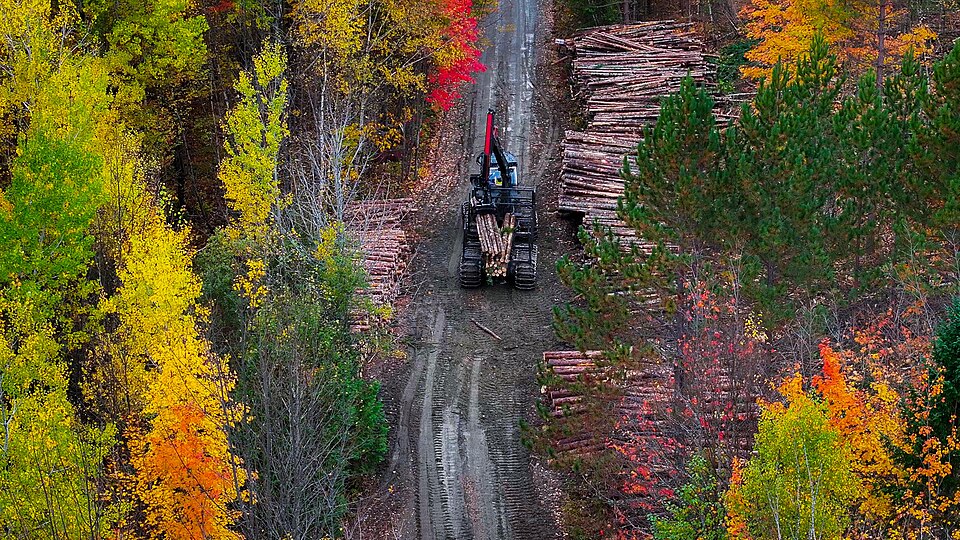
Photo by Forest Service Photography/Preston Keres / USDA Forest Service via Wikimedia Commons.
Wikimedia Commons image page
Wikimedia Commons licensing details
Different regulatory agencies and scientific bodies have published differing assessments regarding certain potential risks associated with glyphosate exposure.
Regulatory agencies including the U.S. Environmental Protection Agency have stated that glyphosate is unlikely to pose a cancer risk when used according to label directions. However, debate over its environmental and health impacts continues among researchers, advocacy groups, and affected communities.
Glyphosate remains approved for regulated use by the U.S. Environmental Protection Agency and other regulatory bodies. However, debate regarding its long-term environmental and health impacts continues among researchers, advocacy organizations, plaintiffs’ attorneys, and industry representatives.
Aerial herbicide application remains legal under current Maine and federal regulations when conducted according to approved labeling and permitting requirements.
Jackson’s statements have contributed to ongoing public debate regarding the possible environmental impacts of aerial glyphosate spraying in parts of Maine. Glyphosate, the active ingredient used in products such as Roundup, has been the subject of years of litigation and scientific debate over potential health risks. Some plaintiffs and advocacy groups allege that long-term glyphosate exposure may increase cancer risk, claims Bayer disputes.
Bayer has consistently denied claims that Roundup causes cancer, though the company has faced thousands of lawsuits alleging links between glyphosate exposure and serious illness. Several lawsuits involving glyphosate exposure have resulted in jury verdicts against Bayer, while other cases remain contested or under appeal.
Litigation outcomes and settlements do not by themselves establish scientific causation regarding alleged health effects.
Jackson has stated that large landowners in Maine have contracted aerial spraying companies to apply glyphosate over 16,000 acres of land in various parts of Maine.
While the issue has received limited public attention outside certain regional discussions, this article examines ongoing debate surrounding aerial herbicide spraying and forestry practices in parts of Maine.
Round Up: What is Glyphosate?
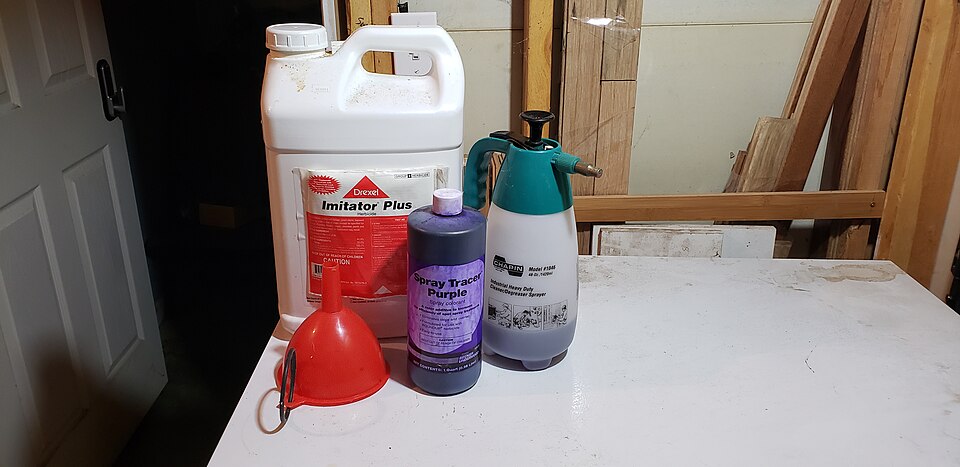
Photo by Slknight, via Wikimedia Commons, licensed under CC BY-SA 4.0.
Glyphosate, dye, and sprayer image page
CC BY-SA 4.0 License
Glyphosate is a widely used herbicide currently manufactured by Bayer, which acquired Monsanto in 2018. It is the active ingredient historically associated with Monsanto’s Roundup herbicide products.
However, Bayer has only been producing Round Up since they purchased the original maker, Monsanto, back in June of 2018. During that time, the herbicide has remained controversial due to ongoing litigation and public debate involving plaintiffs who allege that glyphosate exposure caused serious health problems.
The Ongoing Debate Over Roundup
Bayer has denied allegations that Roundup causes cancer or poses unreasonable health risks when used according to label instructions.
Plaintiffs and advocacy groups argue that the large number of lawsuits and settlements reflects continuing public concern surrounding glyphosate exposure. One law firm involved in Roundup litigation has provided its summarization of the issues. According to Simmons Hanly Conroy, plaintiffs in ongoing Roundup litigation allege that long-term glyphosate exposure may increase cancer risk, claims Bayer denies. Bayer has faced thousands of lawsuits related to Roundup and has agreed to major settlements while continuing to maintain that glyphosate-based products are safe when used according to label directions.
Forestry companies and land managers who support herbicide use argue that glyphosate helps control competing vegetation and supports the growth of commercially valuable tree species. Supporters also note that glyphosate remains approved for regulated forestry use by federal and state agencies. However, critics continue to question those conclusions, citing ongoing litigation, environmental concerns, and differing findings from international health organizations.
Forestry groups and licensed applicators maintain that glyphosate is an important tool for vegetation management, helping young commercial tree species compete against faster-growing hardwoods and brush. Federal and state regulators continue to allow its use under regulated application standards.
Debate Continues Over Aerial Glyphosate Spraying in Maine
Recently, former Maine State Senator and gubernatorial candidate Troy Jackson and some environmental advocates argue that aerial herbicide spraying may negatively affect forests, wildlife, and waterways.
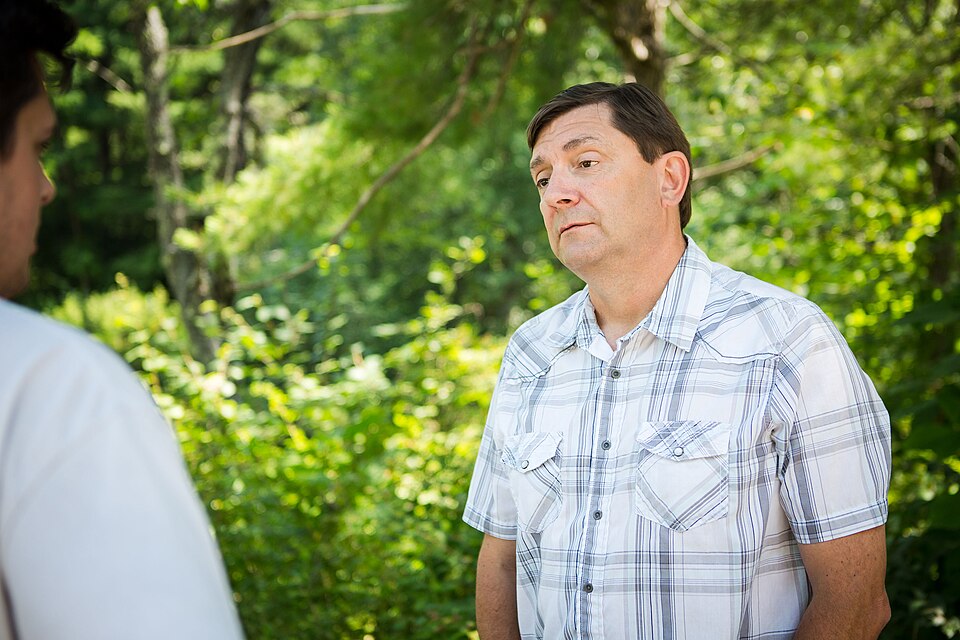
Photo by Cbk2026, licensed under CC BY 4.0, via Wikimedia Commons.
Troy Jackson image (Wikimedia Commons)
Creative Commons Attribution 4.0 International License
Jackson also claimed that large landowners are funding aerial glyphosate spraying across thousands of acres.
Some environmental advocates argue that intensive forestry management practices can, at times, conflict with certain ecological priorities.
Critics of aerial spraying argue that repeated herbicide use may affect aspects of forest ecosystems, though researchers continue to debate long-term ecological impacts. In another campaign video, Jackson criticized the continued use of aerial herbicide spraying in Maine forests.
In this video, Mr. Jackson states that, if elected governor, he would seek to restrict or end aerial herbicide spraying programs in Maine.
Why the Debate Matters
Residents interested in the topic may wish to review publicly available information regarding Maine forestry regulations, land management practices, and herbicide policies. Community organizations and environmental groups across Maine continue to debate the long-term effects of aerial spraying practices.
Regulatory agencies, including the EPA, continue to permit glyphosate use under approved guidelines, while debate among researchers, advocacy groups, and affected communities continues.
Sources:
Simmons Hanly Conroy — “Roundup Lawsuit”
U.S. Environmental Protection Agency — “Glyphosate”
Reuters — “Bayer’s $7.25 billion proposed Roundup settlement faces first signs of pushback in court”
Editor’s Disclaimer: This commentary discusses ongoing public debate regarding herbicide use and forestry practices in Maine. Statements regarding potential health or environmental impacts reflect claims, allegations, opinions, or policy positions from publicly identified sources unless otherwise indicated. The publication does not independently assert that glyphosate causes cancer or environmental harm.Regulatory agencies and scientific organizations have reached differing conclusions regarding certain aspects of glyphosate-related risk assessment.
