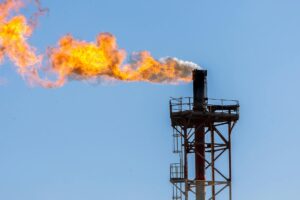
Series: The 10 Most Dangerous Jobs in America (4 of 10)
Oil and gas extraction fuels much of modern life, powering transportation, electricity generation, manufacturing, and heating across the United States. But behind this essential industry is a workforce operating in some of the most dangerous conditions in the country. Year after year, federal labor data places oil and gas extraction among the occupations with the highest fatal workplace injury rates.
From offshore drilling platforms to remote oilfields, workers face explosive materials, heavy machinery, extreme environments, and long hours—often far from immediate emergency care.
Why Oil & Gas Extraction Is So Dangerous
Oil and gas operations combine industrial hazards with environmental risks. Workers routinely deal with flammable materials under high pressure, complex mechanical systems, and unpredictable weather conditions.
Key danger factors include:
- Explosions and fires, caused by flammable gases and pressurized systems
- High-pressure drilling equipment, capable of catastrophic failure
- Heavy machinery, including rigs, cranes, pumps, and transport vehicles
- Remote work sites, offshore or in isolated land-based locations
- Extreme weather, including hurricanes, heat waves, and freezing conditions
Even routine maintenance tasks can become deadly if a system fails or safety protocols break down.
Common Risks and Fatal Injuries
Injuries in oil and gas extraction are often severe and sudden. Common risks include:
- Burns and fatalities from explosions or fires
- Crushing injuries from heavy equipment and pipe handling
- Falls, especially from elevated platforms and rigs
- Vehicle accidents, particularly in remote oilfield regions
- Toxic exposure, including hydrogen sulfide and other hazardous gases
When incidents occur offshore or deep in oilfields, rescue and medical response times can be significantly delayed.
Long Hours and Fatigue Increase Risk
Oil and gas workers frequently operate on extended shifts—sometimes 12 hours or more—over consecutive days or weeks. Fatigue reduces reaction time and situational awareness, increasing the likelihood of mistakes around dangerous equipment.
Offshore crews, in particular, may remain on platforms for weeks at a time, relying entirely on on-site resources in the event of an emergency.
Safety Improvements—But Inherent Risk Remains
Advances in technology, monitoring systems, and safety training have reduced certain risks over time. Federal regulations and industry standards have also improved accountability and emergency preparedness.
However, the core dangers of oil and gas extraction remain unavoidable. Flammable materials, high-pressure systems, and heavy equipment mean the margin for error is extremely small. When failures occur, consequences are often catastrophic.
The Human Cost Behind Energy Production
Oil and gas workers play a crucial role in keeping the country running, yet their risks are rarely visible to the public. Fatal accidents, serious injuries, and long-term health effects leave lasting impacts on families and communities.
As Presence News continues its series on America’s most dangerous jobs, oil and gas extraction highlights the often-overlooked human cost behind energy production.
Coming Next: #5 Roofing and High-Risk Construction Work
Presence News continues tomorrow with another dangerous profession.
Source
? Civilian Occupations with High Fatal Work Injury Rates — Bureau of Labor Statistics
Federal labor statistics consistently rank oil and gas extraction among occupations with the highest fatal workplace injury rates in the United States.
Disclaimer:
You don’t truly understand how dangerous a job is—until someone you love dies doing it.
