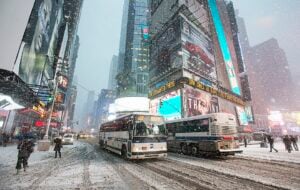
NEW YORK CITY — New York City is expanding snow removal, warming centers, and emergency plans to protect residents during the 2026–2027 winter season.
Last winter brought heavy snowfall and prolonged periods of dangerously low temperatures, prompting the city to strengthen its emergency preparations.
Mayor Zohran Mamdani announced $25 million to expand Code Blue services for homeless residents during extreme cold. The administration also plans to improve snow removal, expand emergency outreach, and maintain residential heating systems.
As meteorological winter begins Dec. 1, city agencies are working to keep streets clear, residents warm, and shelters open.
New York City Expands Its Winter Preparedness Plans
Several city agencies, including DSNY, NYCEM, DHS, NYC DOT, and NYCHA, coordinate winter preparations.
Last winter tested the city’s emergency response system. The mayor’s Nov. 9 announcement reported 43.4 inches of snowfall last winter, nearly double the 22.9-inch seasonal average.
The city also experienced nine consecutive days when temperatures did not rise above freezing, creating additional challenges for residents, transportation services and emergency personnel.
Officials say the experiences of the previous winter helped identify areas where the city could improve its response.
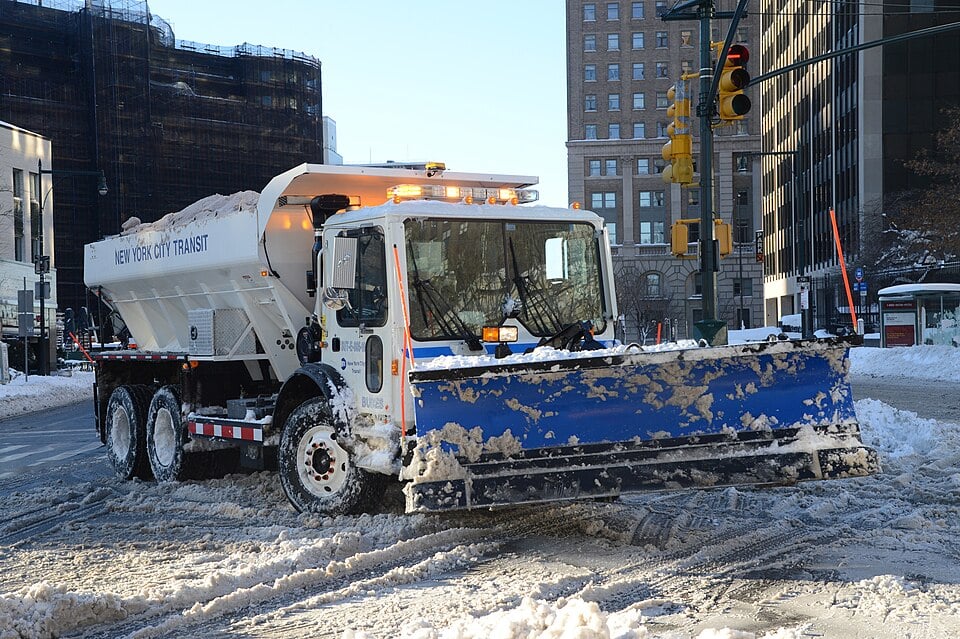
The updated preparations include additional equipment, revised snow-removal routes, expanded cold-weather outreach and improved coordination among city agencies.
The National Weather Service outlook cited in the city’s announcement also points to a potentially warmer and wetter winter associated with a strong El Niño. Such conditions can influence precipitation patterns, although seasonal outlooks cannot determine exactly when individual storms will occur or whether precipitation will fall as rain, sleet, or snow.
Snow Removal and Ice-Clearing Operations
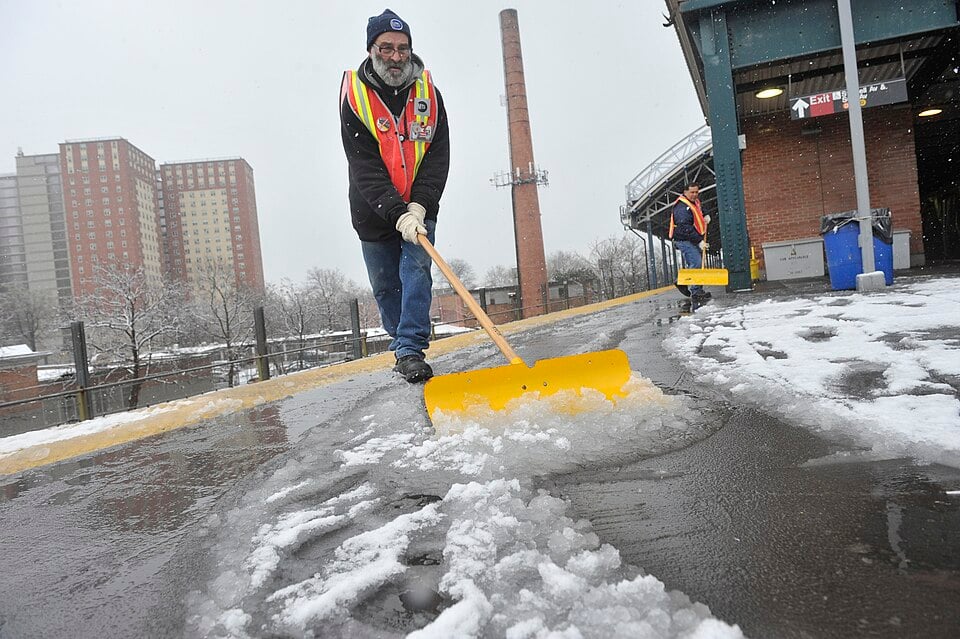
Meanwhile, the Parks Department is preparing nearly 400 vehicles to clear more than 2,000 miles of park pathways following snowfall.
These measures are intended to help residents travel safely throughout the city while reducing the risks associated with snow and ice.
Expanded Warming Centers and Code Blue Operations
Extreme cold can create serious health and safety risks, particularly for people experiencing homelessness, older adults, and residents who do not have reliable access to indoor heating.
To address those concerns, the Mamdani administration announced a $25 million investment in an expanded Code Blue system.
Code Blue is the city’s cold-weather response program, activating additional outreach and shelter resources when temperatures create dangerous conditions for people outdoors.
Under the expanded plan, more than 300 additional outreach workers will conduct walking and driving routes throughout all five boroughs. The city says these routes will cover approximately 75% of locations where homeless New Yorkers are known to stay.
The initiative is designed to help outreach teams locate people who may need assistance and connect them with available shelter and medical services.
NYC Health + Hospitals will also deploy up to 55 WARM mobile units. These vehicles will provide medical support and transportation to warming centers, medical facilities, and other safe locations. Each team will include a registered nurse or nurse practitioner.
Additional warming locations will also be available during severe cold.
The city plans to make at least three Health + Hospitals facilities available as warming centers during Code Blue activations, expanding to all 11 facilities during the most severe conditions.
The Department of Homeless Services will also activate eight drop-in centers, four new warming centers, and as many as 20 warming buses when the response reaches its peak level.
The plan also calls for more than 600 additional shelter rooms, providing an estimated 800 beds for people seeking refuge from the cold.
These measures are designed to give more people access to shelter during extreme winter weather.
City officials are also encouraging residents to contact 311 if they encounter someone outdoors who appears to need assistance. Anyone facing an immediate emergency should call 911.
Preparing Apartments and Public Housing for Winter
Heating is another major concern as New York City approaches the colder months.
Under New York City’s housing regulations, residential buildings must provide tenants with adequate heat and hot water during the designated heating season, which runs from October 1 through May 31.
The New York City Housing Authority has spent the year inspecting and maintaining heating infrastructure throughout its public housing developments.
According to the mayor’s announcement, NYCHA conducted preventive maintenance, inspections, and necessary repairs involving 965 boilers, 1,472 hot-water systems, and 1,507 heat-distribution systems.
The authority has also invested in heating infrastructure improvements and equipment repairs to help reduce the possibility of service interruptions.
NYCHA currently has 22 mobile boilers connected to developments, with four additional units available for deployment if needed during a heating emergency.
Residents living in privately managed apartment buildings also have options when heating problems occur.
The city’s Department of Housing Preservation and Development responds to heat and hot-water complaints and can conduct inspections when landlords fail to provide required services.
Tenants experiencing heating problems should first notify their landlord or building superintendent. If the issue remains unresolved, residents can contact 311 to request assistance and an inspection.
HPD also plans to respond individually to every nonanonymous heat complaint this winter rather than grouping complaints from multiple apartments together.
These preparations are particularly important for residents who depend on older buildings and aging heating systems during prolonged cold spells.
Preparing Transportation and Emergency Services
Winter weather can affect more than road conditions. Snow, ice, fallen trees, and power outages can also disrupt public transportation, emergency medical services, and critical infrastructure.
NYC Emergency Management is working with city agencies and first responders to ready resources so they can be mobilized when needed.
The New York City Police Department is preparing to use tow trucks during storms to remove vehicles that obstruct roadways and snowplow routes. Officers can provide assistance to snowplow drivers and help facilitate the passage of emergency vehicles in areas of high traffic.
The Fire Department of New York is preparing to adjust staffing and position specialized vehicles in advance of certain weather emergencies.
City agencies are also preparing for fallen trees and branches, which can become a concern during storms involving heavy, wet snow or strong winds.
NYC Emergency Management will distribute weather information and emergency instructions through Notify NYC, the city’s emergency notification service.
The service provides updates about severe weather, transportation disruptions, power outages, and other emergencies. Residents can sign up by texting NOTIFYNYC to 692-692 or downloading the Notify NYC mobile application.
These communication efforts are intended to help residents make informed decisions before and during winter weather events.
How New Yorkers Can Prepare for Winter
While city agencies handle public infrastructure repairs and emergency response coordination, there are still things for residents to do to safeguard their own households.
New Yorkers should monitor forecasts, follow emergency advisories, and prepare for major storms.
Residents should keep essentials on hand, including water, food, flashlights, batteries, medications, and cell phones.
Residents who rely on public transportation should check for service changes before traveling during snowstorms or freezing temperatures.
The Fire Department warns residents against using ovens, stovetops, outdoor grills, or generators to heat their homes because of fire and carbon monoxide risks.
Residents using portable space heaters should follow the manufacturer’s instructions, never leave heaters unattended, and keep them away from combustible materials.
Residents should check on older neighbors, particularly those living alone or with limited access to essential services, during periods of extreme cold.
To learn more, New Yorkers can also visit the City’s emergency preparedness website, nyc.gov/beready.
A City Preparing for the Winter Months Ahead
New York City is using last winter’s lessons to prepare emergency services for 2026-2027.
City officials say expanded snow removal, additional warming centers, increased outreach, and heating-system maintenance will help protect residents.
The effectiveness of these preparations will depend on coordination among city agencies during winter weather.
For millions of New Yorkers, winter preparedness is about more than clearing snow-covered streets. It also means maintaining transportation, heating homes, and sheltering those vulnerable to the cold.
City officials urge residents to check emergency kits, monitor weather alerts, and help neighbors.
As winter approaches, city agencies are preparing their personnel, equipment, and emergency resources for the months ahead.
Sources:
- New York City Mayor’s Office
- New York City Department of Sanitation (DSNY) Mayor Mamdani Mobilizes Citywide Winter Response, Expands Code Blue and Supercharges Snow and Ice Removal
- New York City Department of Housing Preservation and Development (HPD) Heat and Hot Water
- New York City Housing Authority (NYCHA)
- New York City Emergency Management Housing Quality / Safety Emergency Preparedness
- New York City Council – NYC Winter Storm Resources
- National Weather Service (NWS) – Winter 2026–2027 Outlook
- New York City Department of Health and Mental Hygiene 2026 Health Advisory #27: Protect People at Risk of Cold-Related Death During Prolonged Cold Temperatures
Editor’s Disclaimer: This article is based on information released by New York City government agencies, official public announcements, and the National Weather Service. Winter weather forecasts and seasonal outlooks are subject to change. Preparedness measures, emergency services, and warming center availability may also change depending on weather conditions and city agency updates. Readers are encouraged to consult official NYC government resources and local emergency alerts for the latest information.
