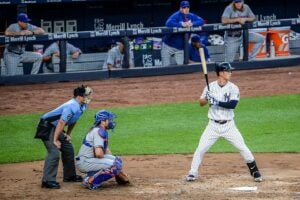
NEW YORK CITY — For New York City baseball fans, few matchups carry as much significance as seeing the New York Yankees and New York Mets compete for a World Series championship. The two teams represent different leagues, different championship traditions, and generations of fans who have spent decades debating which club deserves the city’s baseball bragging rights.
Although they both play in New York, the Yankees and the Mets have faced each other in the World Series only once. The Subway Series took place in the year 2000 and saw the two teams meet with the ultimate goal of becoming the best in baseball.
The Yankees won that clash, taking the series 4-1. The loss was unfortunate for the Mets, as it denied them a chance to win their third title. For the Yankees, however, the victory secured an incredible “three-peat” of three successive championships.
The story behind the meeting is more than statistics; it traces the two teams’ history in New York baseball.
The Yankees Establish a World Series Tradition
The franchise was established in Baltimore in 1901 as the Orioles before moving to New York in 1903, where the team initially played as the Highlanders. The club adopted the name Yankees in 1913.
With Babe Ruth’s signing in 1920, the team gained national fame. Ruth became one of the game’s most important figures, boosting the team’s popularity.
The franchise won its first World Series title in 1923, defeating the New York Giants. That win marked the start of a pattern that would eventually make the Yankees the most successful franchise in World Series history.
Yankees kept adding to their championship tally in the 20th century. Several generations of players, such as Lou Gehrig, Joe DiMaggio, Mickey Mantle, and Yogi Berra, helped shape the club’s identity across eras.
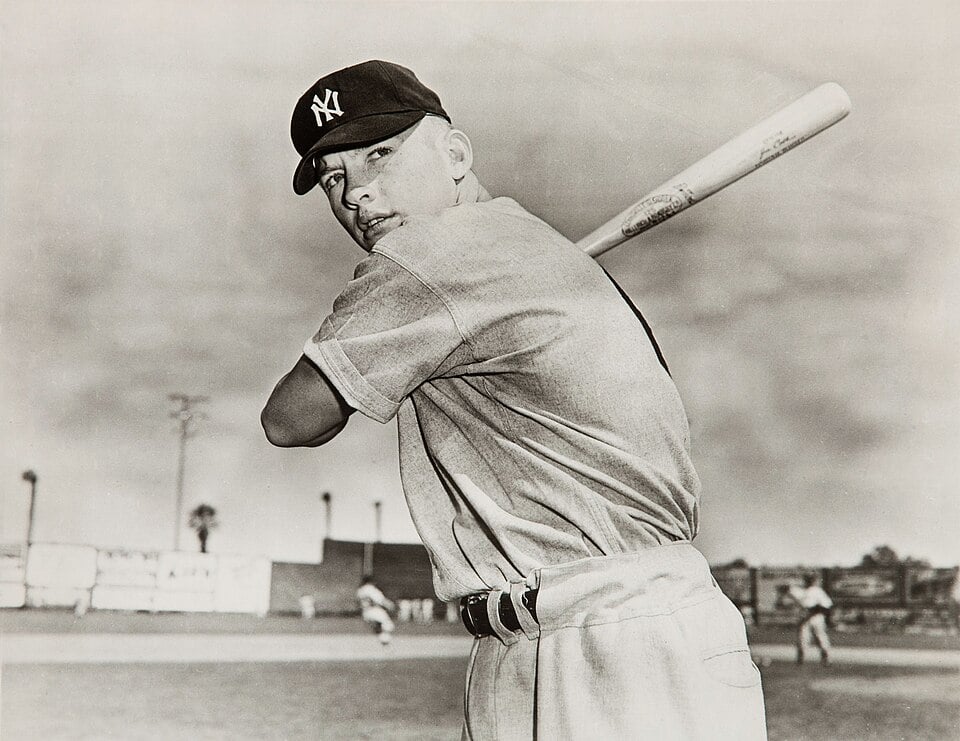
It was between 1949 and 1953 that one of the franchise’s most notable successes happened: the winning of five consecutive World Series.
That postseason success continued in other decades, but not without periods when the team had no glory. Yankees achieved success again in the late 1990s with manager Joe Torre.
By the start of the 2000 season, the Yankees were defending champions and had a chance to do what few teams in baseball history had done: win three consecutive World Series.
Another New York team stood in their way, with its own championship ambitions.
The Mets Create Their Own Championship History
The New York Mets joined and participated in Major League Baseball in 1962, especially to reintroduce National League baseball to New York due to the departure of the Brooklyn Dodgers and New York Giants, who had moved to California after the 1957 season.
Initially, the Mets struggled to settle in. In fact, they finished their debut season with just 40 wins and 120 losses, followed by six more unsuccessful seasons. Nevertheless, the franchise developed a loyal following. For Mets supporters, the team’s eventual success became especially meaningful because it followed years of disappointment.
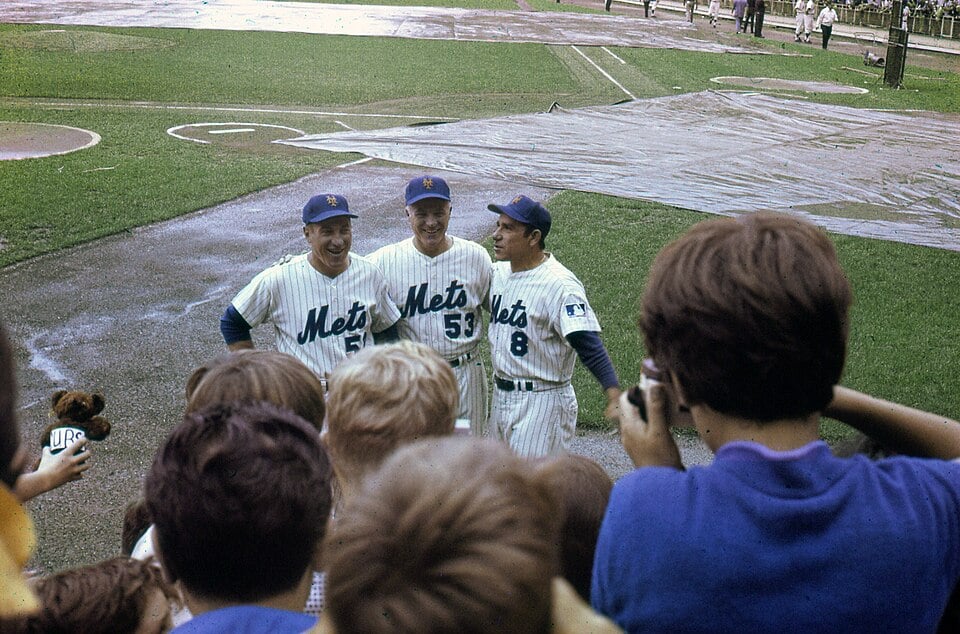
That breakthrough arrived in 1969. Managed by Gil Hodges, the Mets won 100 regular-season games and captured the National League East division title. They then defeated the Atlanta Braves in the National League Championship Series to reach the World Series against the Baltimore Orioles.
The Orioles entered the matchup as a formidable opponent, but the Mets overcame an opening-game defeat and won four consecutive games to capture the championship. The victory earned the team its famous nickname, the “Miracle Mets.” Their championship run was a momentous occasion even outside New York. The Mets made history by becoming the first expansion team to win the World Series, doing so just eight years after their formation. The shift was remarkable for a team that had long struggled with the absolute basics of winning.
The Mets reached the World Series again in 1973, but fell short to the Oakland Athletics. Their next opportunity arrived in 1986, when yet another generation of Mets players delivered one of the most memorable seasons in playoff history.
The Mets’ Dramatic Return in 1986
The New York Mets finished the 1986 regular season with 108 wins, earning a reputation as one of the sport’s strongest clubs that year. Under manager Davey Johnson, the team boasted stars such as Keith Hernandez, Gary Carter, Dwight Gooden, and Darryl Strawberry. After winning a challenging six-game National League Championship Series over the Houston Astros, the team reached the World Series against the Boston Red Sox.
Bill Buckner’s Error and the Mets’ Unforgettable Comeback
The series became famous for its dramatic sixth game. In that game, the Mets fell behind the Boston Red Sox but managed a legendary comeback in the tenth inning. As the Sox appeared on the verge of winning their first championship in 68 years, a sequence of clutch, two-out singles and a critical wild pitch kept the Mets’ chances alive.
The game-changing moment came when Mookie Wilson hit a ground ball that passed through the legs of Red Sox first baseman Bill Buckner, permitting Ray Knight to run home with the winning run. The play became one of the most recognizable moments in World Series history. However, the Mets’ comeback involved more than just that single error; their absolute persistence at the plate and ability to keep the inning alive with two outs created the opportunity.
New York won Game 7 two nights later, capturing its second World Series championship. The 1986 title remains the Mets’ most recent World Series victory, although the team has returned to the championship round since then. Nearly a decade and a half after that triumph, the Mets faced a completely different challenge: competing against their city’s other baseball franchise, the New York Yankees, in the 2000 Subway Series.
The 2000 Subway Series: Yankees vs. Mets
The 2000 World Series brought together the Yankees and Mets for the first time in a championship matchup.
The Yankees entered the postseason looking to defend their title, while the Mets earned their place in the Fall Classic after defeating the San Francisco Giants and St. Louis Cardinals in the National League playoffs.
The Yankees advanced by defeating the Oakland Athletics and Seattle Mariners.
The resulting matchup generated considerable interest because the teams represented the same city. The series became known as the Subway Series, reflecting New York’s extensive public transportation network and the connection between the two ballparks.
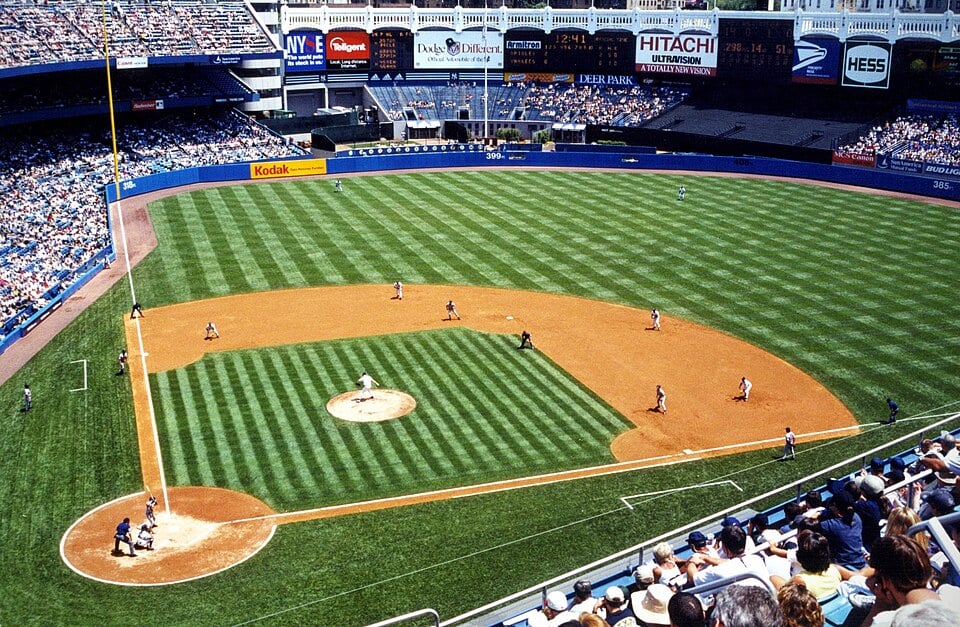
The Yankees played at Yankee Stadium in the Bronx, while the Mets played at Shea Stadium in Queens.
For New York baseball fans, the series offered something different from the usual rivalry. Supporters who normally watched the teams compete in separate leagues could finally see them play for the same championship.
The Yankees Take Control Early
The historic 2000 World Series opened at Yankee Stadium on Oct. 21, 2000, with a game that immediately delivered high-stakes drama. After a scoreless pitchers’ duel through five innings, the Mets struck first to capture a late edge. The Bronx Bombers ultimately forced extra innings, setting the stage for José Vizcaíno to deliver a dramatic, two-out, game-winning single in the 12th inning to secure a 4-3 victory for the Yankees.
Game 2 brought another win for the Yankees, who defeated the Mets 6-5 after holding off a furious late-inning rally. While the Mets had plenty of opportunities to flip the script, they left the Bronx facing a daunting two-game deficit.
When the series moved to Shea Stadium, the Mets answered back. They captured Game 3 with a 4-2 victory, thanks to timely hitting and strong bullpen contributions. Playing in front of their home crowd, the win offered a flash of optimism that the National League champions could turn the series around.
However, the Yankees reasserted their authority in Game 4. Derek Jeter homered on the very second pitch of the game, immediately deflating the Shea Stadium crowd. The Yankees maintained control to win 3-2, moving within just one victory of another championship.
Derek Jeter and Mariano Rivera Seal the Championship
Game 5, played on Oct. 26 at Shea Stadium, became the decisive contest. The Yankees struck first on a Bernie Williams home run, but the Mets quickly answered to take a 2-1 lead. Derek Jeter later hit a solo home run in the sixth inning to tie the score. The game remained deadlocked until the top of the ninth, when Luis Sojo hit a tie-breaking single up the middle. A throwing error on that same play allowed an insurance run to cross the plate, giving the Yankees a crucial two-run cushion.
Mariano Rivera shut the door in the bottom of the frame, sealing a 4-2 victory and allowing the Yankees to claim the title on their crosstown rivals’ home turf.
With a 4-1 series victory, the Yankees earned their 26th World Series title. Jeter was named World Series Most Valuable Player after batting .409 with two home runs. The historic win also completed the Yankees’ legendary three-peat, following their consecutive championships in 1998 and 1999.
How the Two Teams’ World Series Records Compare
The Yankees and Mets entered the 2000 World Series with very different postseason histories.
By then, the Yankees had set a championship standard no other Major League Baseball franchise could match. Their titles span several generations, with different groups of players and managers building the winning teams.
The Mets had a much shorter history, entering the league in 1962. The championships in 1969 and 1986 were watershed moments for the organization, while their appearances in 1973 and 2000 proved they could return to baseball’s biggest stage.
The Yankees’ 2000 victory widened the gap in championship totals, but it did not diminish the significance of the Mets’ achievements.
The Mets’ 1969 championship remains one of baseball’s great turnarounds, while their 1986 victory is remembered for its dramatic finish.
Meanwhile, the Yankees upheld their championship heritage with a three-year streak in 2000.
These different histories help explain why New York fans feel such strong loyalty to both teams.
Will There Be Another Subway Series?
Since their last meeting in 2000, Yankees and Mets fans have been waiting for their teams to meet again in the championship series.
For this to happen, both franchises would need to make it to the postseason and win their respective playoff series if they’re to meet again.
Although the teams can meet during the regular season, the World Series remains the ultimate prize. Another championship matchup would let a new generation of New Yorkers experience the excitement that surrounded the 2000 series.
It would also allow the Mets to pursue a championship against the team that defeated them in their only World Series meeting.
For Yankees supporters, another Subway Series would offer a chance to add a new chapter to the franchise’s championship history.
Until that happens, the 2000 matchup remains the defining World Series meeting between New York’s two teams.
The Yankees and Mets have followed different paths, but their histories share a common thread: both have produced championship seasons that remain important to their supporters decades later.
Their one World Series meeting brought those histories together for five games in October 2000. The Yankees left with another title, while the Mets wondered what might have happened if a few key moments had gone differently.
For baseball fans across New York, the prospect of another Subway Series remains an appealing possibility—one that could bring the city’s two teams back together on baseball’s biggest stage.
Sources:
MLB.com — 2000 World Series Recap
Baseball-Reference — 2000 World Series
MLB.com — 2000 Postseason History
Baseball-Reference — 2000 World Series, Game 1
MLB.com — ‘We won when we had to’: How the 2000 Yankees made history
Editor’s Disclaimer: This article is intended for informational and historical purposes. Every effort has been made to ensure the accuracy of the information presented. Historical records and statistics are based on publicly available sources.
