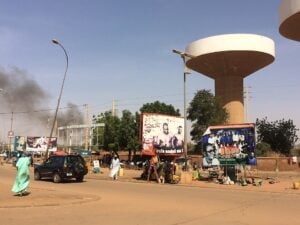
According to the Global Terrorism Index 2025, the Sahel region has become a global epicenter of terrorism. In 2024, the region accounted for 51 percent of all terrorism-related deaths worldwide. The Liptako-Gourma region, where Mali, Niger, and Burkina Faso meet, has become a key region of violence. Several factors, including political, economic, security, social, and ecological reasons, played a part in the continuation of violence in this area. However, the conflict in the region receives less international attention than some other major conflicts.
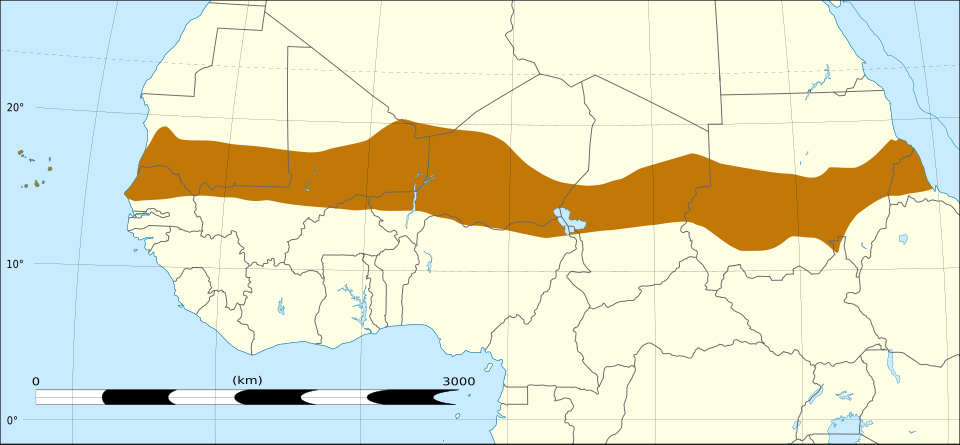
Ungoverned Spaces
There are several factors that contribute to the prevalence of terrorism in the Sahel region. Firstly, the malfunctioning of national government institutions has rendered the state incapable of handling the actions of armed groups. The government also has trouble delivering basic services or dealing with the causes of terrorism and conflict. Secondly, the regions with weak control from the government offer insurgents and extremist groups a space to operate and recruit. Furthermore, they secure some local support. Finally, the porous borders of the region help armed groups, traffickers, and criminal elements travel between countries. This makes it even more difficult for governments to control violence.
Regional collaboration and good security partnerships are still crucial. The transborder nature of conflicts makes any single government unable to deal with them all on its own. On top of that, states like Mali, Niger, and Burkina Faso have already seen military coups in the last decade. The coups resulted in military-led governments. These governments have subsequently altered their relationships with former Western security partners. Meanwhile, they have expanded cooperation with Russia.
Some commentators and local observers argue that military regimes have concentrated their efforts on maintaining political control while struggling to address the root causes contributing to the persistence of insurgent factions. There has been a considerable decline in partnerships with Western countries in several Sahel states. The role of Russia’s Africa Corps has also expanded following the decline of the Wagner Group. The Africa Corps has incorporated many former Wagner personnel.
Extreme Poverty
Several Sahelian countries have some of the world’s fastest-growing populations. This places additional pressure on already limited public services and economic opportunities. Acute developmental stagnation, lethargic per capita economic gains, and widespread vulnerability and insecurity have created dismal economic conditions. These conditions can particularly affect young people who are frustrated with the current state of affairs. Such conditions can increase vulnerability to recruitment by insurgents and extremist groups, particularly when legitimate economic opportunities and state support are limited.
The modest economic momentum that Sahel economies enjoy is highly subject to volatile commodity markets. Gold, cotton, and oil are among the commodities exported by several Sahelian countries. However, they are highly exposed to external price shocks.
Absence of Institutions
There is a rural-urban divide in access to public institutions. The ability of decentralized municipal authorities to assist rural areas may be restricted. Rural areas may be served poorly by decentralized municipal institutions. National armies are busy with the issue of terrorism or ensuring the stability of the political system. This leaves them with insufficient resources and support for civilian law enforcement.
Formal justice systems can work slowly and be difficult to reach, and can also be seen as giving inefficient or corrupt outcomes by people in the relevant community. As a result, it could be that, at times, farmers and herders do not have the possibility to use available public mechanisms to solve their disputes. This creates more opportunity for conflict as well. Environmental degradation and inconsistencies in the situation of weather patterns, along with the competition of the farmers and herders for land, water, grazing routes, and other natural resources, affect farmers and nomadic herders alike.
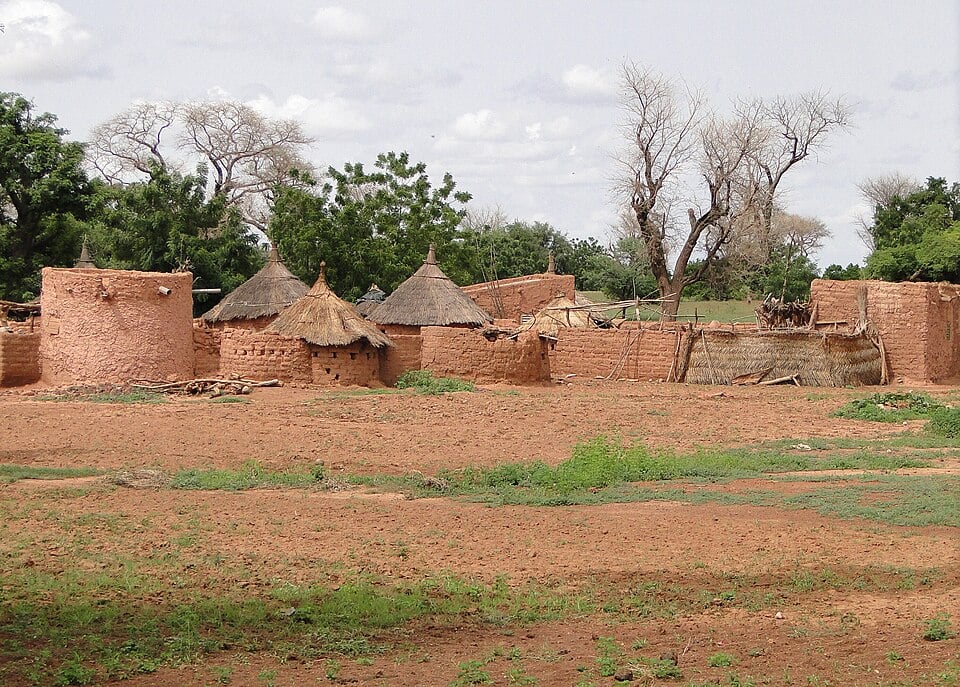
Numerous healthcare and educational establishments have either sustained damage or been shut down completely due to the ongoing war. This has weakened the ties that exist between state institutions and society. Analysts involved in the monitoring of regional governance and human rights have reported that accountability and transparency, as well as democratic control, remain at a low level. It is often argued that this is necessary because of national security reasons. The military leadership has sometimes provided reasons for the restrictions on political activity and civilian oversight. The reason is generally presented as an attempt to restore security and stabilize the nation.
Illicit Trafficking Economies
In certain areas of the Sahel, illegal markets are starting to thrive when government authority is weak and there is little presence of the government. Owing to the extent and complexity of the region and the localized conflicts in the Sahel, it has created favorable conditions for organized crime and armed groups. Therefore, this creates a feedback loop where conflict and illegal trade are mutually reinforcing processes. The financial gains of illegal economies finance further violence.
These illicit trading enterprises negatively impact local communities, as conflicts surrounding them cause disruptions in conventional economics. These networks facilitate transportation of goods and services, people, and money, sometimes going beyond borders without too much effort. Doing so enables armed groups to exert influence over communities reliant on local markets, transport routes, social settlements, and other forms of service and goods provision. These are services that the state may struggle to provide. This, in turn, can engender more support and recruitment for the insurgencies. In some regions, militant organizations have undertaken efforts to promote loyalty in the populations by offering or regulating access to financial activities, protection, problem-solving, and similar services. At the same time, the effectiveness of the state institutions falls short because they cannot maintain a permanent presence.
Artisanal Mining and Illicit Trade
Artisanal and small-scale gold mining is an important part of the Sahel’s informal economy, but weak oversight and smuggling can allow armed and criminal groups to profit from the trade.
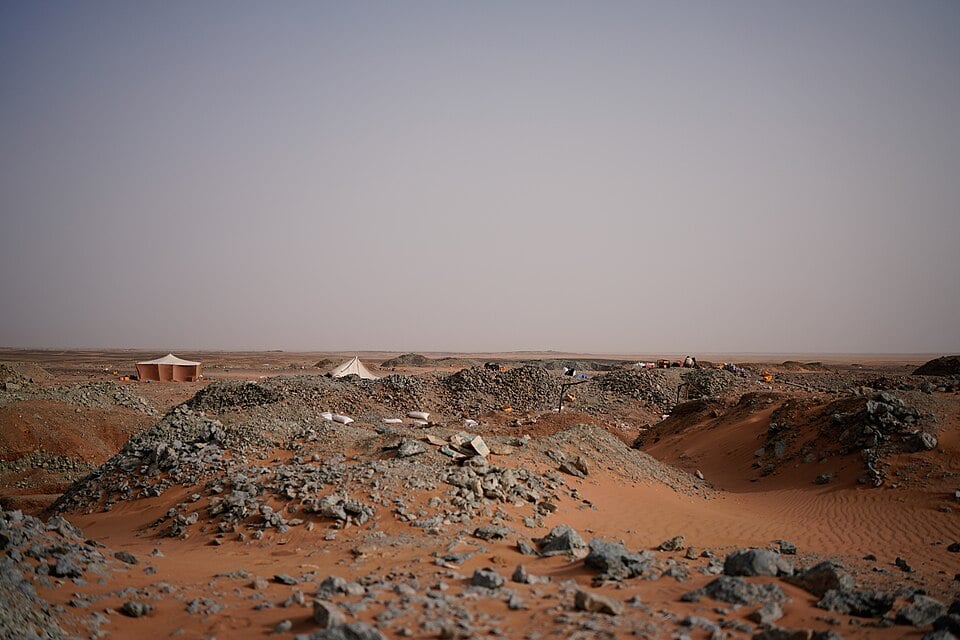
This industry’s significant income may not pass through official state taxation systems. It also generates high profits for various armed groups with the help of the mining sites and the smuggling channels connected with them. Fuel subsidies and price discrepancies in different states result in the emergence of the fuel smuggling market. This market is gaining popularity among smugglers. Local hostilities and instability in the region make it possible for arms traffickers from Libya and Sudan to profit from selling weapons throughout the region. The Sahel also serves as a transit corridor for some cocaine shipments originating in South America and ultimately destined for Europe.
Going Forward
To contain civil wars and violent extremism in the Sahel region, various approaches will need to be initiated. This involves tackling issues of security, governance, economic prospects, social services, and local dynamics.
A Crisis Without a Single Solution
Growing levels of poverty and inequality can inhibit economic growth and increase chances of recruitment by criminal organizations. Military governments will continue to be forced to follow a balanced course by ensuring both stability and tackling issues causing insecurity. At the same time, the demand for illegal goods serves as a source of income for criminal networks and insurgent groups.
These conditions show why no single cause explains conflict in the Sahel or any single solution can resolve it. Political, economic, social, and geographic dimensions reinforce each other. Thus, tangible change is challenging to predict and even more challenging to measure.
Sources:
Council of Foreign Relations | Violent Extremism in the Sahel
Global Centre for the Responsibility to Protect | Central Sahel (Burkina Faso, Mali and Niger)
Development and Cooperation | Why military solutions keep failing in the Sahel
Africa Defense Forum | Russia’s Africa Corps PMC ‘Hands-Off’ Approach in Mali Proves Costly
Africa Defense Forum | Russian Mercenaries’ Failure in Mali Sparks Resentment
Brookings | To prevent democratic backsliding in the Sahel, establish democratic governance first
The Pan African Review | Coups in the Sahel:Rejection of Liberal Democracy?
United Nation News | Trafficking in the Sahel: Cracking down on illicit drugs
Reliefweb | Firearms trafficking in the Sahel
Editor’s Disclaimer: This article provides an analysis of the factors contributing to terrorism and conflict in the Sahel region, including political instability, poverty, weak institutions, and illicit economies. It reflects analysis based on publicly available research and reporting from the sources cited and does not represent the views of any government, political organization, or security group. Presence News does not endorse terrorism, political violence, or the activities of any armed group discussed in this article.
