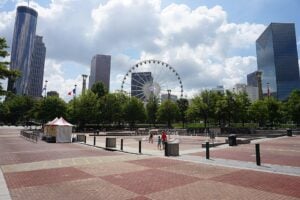
The 30th anniversary of the explosion at Centennial Olympic Park occurred today. The explosion transformed how officials approach event security, emergency response, and crisis communication.
Since then, officials have continued to apply the changes in security to all major gatherings around the globe.
Many of the policies instituted after the bombing are still in use today in arenas and other venues. The bombing demonstrated weaknesses associated with open public spaces, thereby leading officials to establish strict perimeters, screen entries, and use see-through bags. The way in which people are reached and informed during major events has improved ever since that fateful day in 1996.
What Happened on July 27, 1996?
On July 27, 1996, at Centennial Olympic Park in Atlanta, Georgia, several thousand individuals attended the celebration of the Summer Olympic Games. The band Jack Mack and the Heart Attack also had a late-night concert during the festivities. However, as the clock ticked near midnight, security guard Richard Jewell saw something suspicious. A green military backpack was abandoned near the sound tower. As a result, Jewell contacted the Georgia Bureau of Investigation and worked with law enforcement to clear the area.
Jewell’s actions significantly reduced the potential devastation. At 1:20 a.m., as officials cleared the area, the pipe bomb inside the backpack exploded, sending nails and screws into the crowd. The blast killed one person, Alice Hawthorne, while injuring more than 100 others. In addition, Melih Uzunyol, a Turkish cameraman, suffered a fatal heart attack while rushing to cover the scene. Paramedics and law enforcement personnel in emergency response teams entered the scene of the event in order to deliver emergency medical treatment and transfer the victims to area hospitals, making the Olympic square a triage area. The attack turned the park’s festive atmosphere into one of panic and fear.
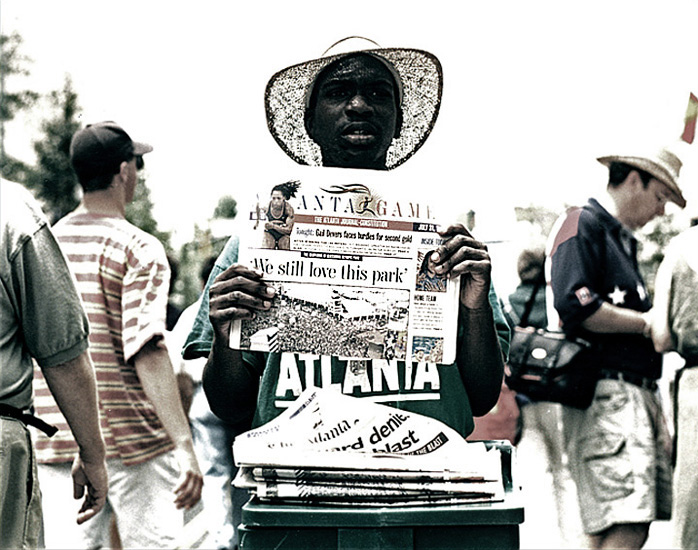
Investigation and Public Information Challenges
The FBI initially praised Richard Jewell as a national hero for discovering the bomb and helping save lives.
However, that soon changed when the FBI began investigating him as a prime suspect. In fact, Jewell’s life was upended by an aggressive investigation and intense media scrutiny.. In addition, Jewell had to undergo intense federal surveillance, home searches, and severe public vilification for a total of 88 days. Eventually, though, investigators formally cleared Jewell’s name.
The person who would be identified as the true perpetrator of the 1996 Centennial Olympic Park bombing would end up being an anti-abortion extremist named Eric Robert Rudolph. However, Rudolph was not able to be captured for years as he spent much time hiding out in the mountains of North Carolina. In 2003, Rudolph was ultimately identified and apprehended by law enforcement. Two years later, he ended up pleading guilty to the Olympic Park attack in 1996 as well as three other bombings.
How Event Security Changed
As a result of the 1996 Summer Olympics bombing, concrete updates to event entry were eventually set into place. For one thing, wide-open perimeters at events were eliminated, with all event traffic being funneled through structural barricades and designated security lanes. Also, walk-through and hand-held metal detectors became mandatory baseline infrastructure to intercept firearms, knives, and pipe bomb components. Security personnel also began searching all personal containers brought into events. When it comes to high-volume venues, X-ray screening became the new norm.
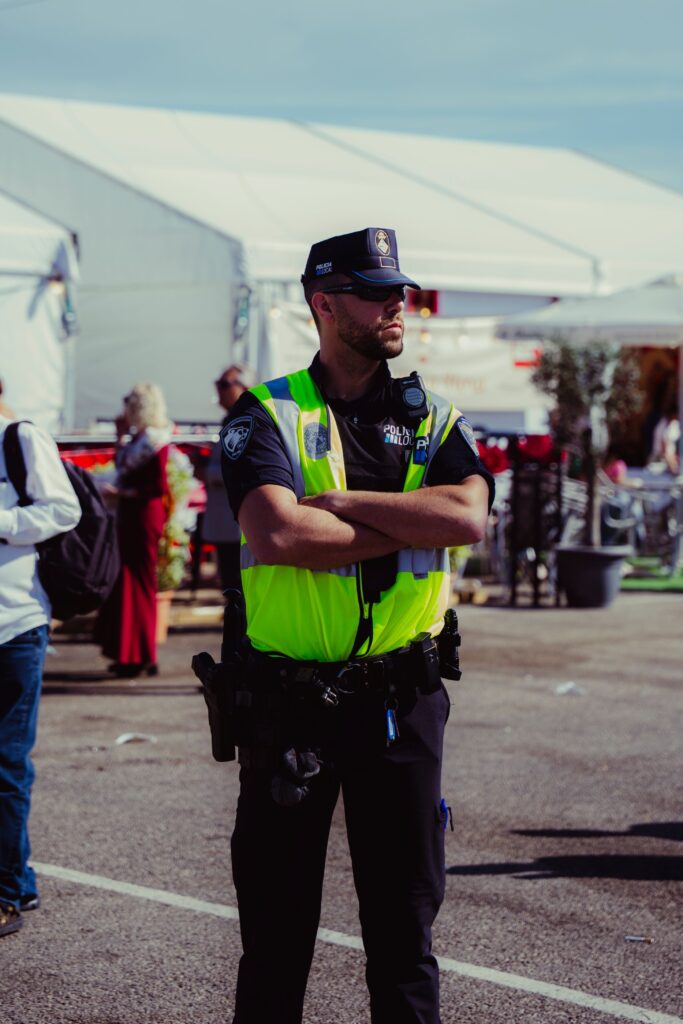
The plaza in Atlanta where the 1996 bombing took place was unmonitored. Therefore, venues began rapidly expanding CCTV camera networks. Security teams use these systems to eliminate blind spots across public plazas, concourses, and entry perimeters. Security officials established on-site surveillance hubs and increased visual patrols throughout event crowds.
Because of the fact that there was such a breakdown in communication that occurred after the 1996 incident, it’s understandable that an overhaul of tactical coordination has occurred. At events, responding organizations sit right next to each other at venues. Police, fire, and EMS each have defined roles and coordinate during emergencies.
Today, event organizers follow established procedures to maximize safety before major public events.
Security teams now conduct intelligence and vulnerability assessments before events to identify potential threats. Multiple agencies participate in mandatory, full-scale simulation exercises to practice active-shooter and bomb-threat scenarios before gates open to the public. Venues also use designated exit routes and automated announcements to safely evacuate large crowds.
The Legacy 30 Years Later
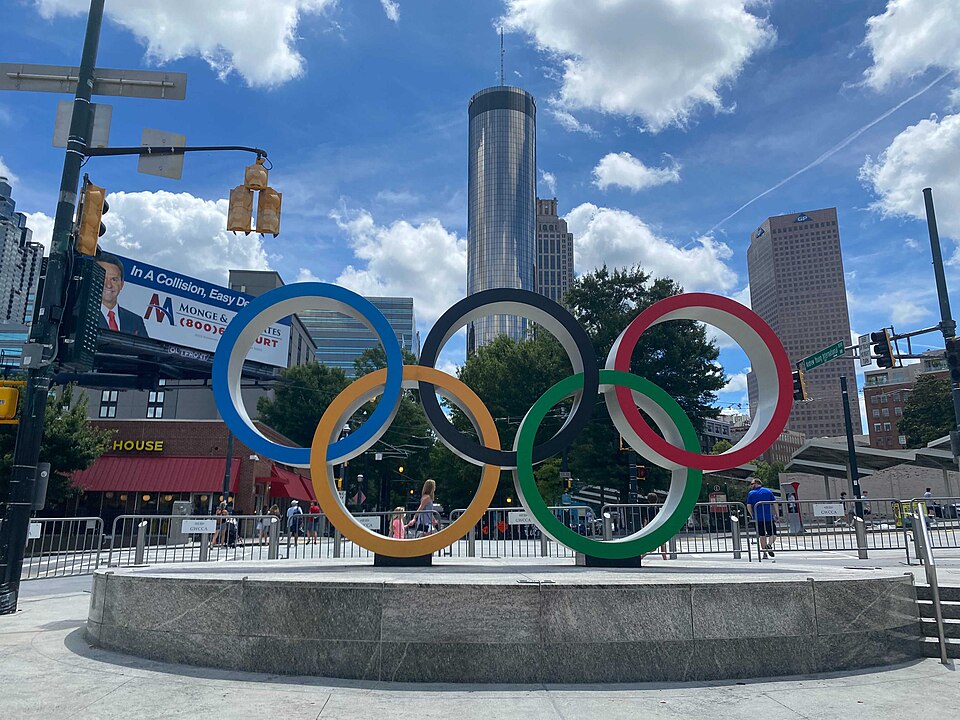
Event planners continue to apply lessons from the Centennial Olympic Park bombing decades after the attack. The boundaries of modern-day security planning include thorough risk assessments, cooperation among all the agencies involved, preparation with regard to emergency medical help, and running a public information campaign about safety. The logic behind successful security planning will also apply to the Olympics in Los Angeles in 2028, where local, state, federal, and international authorities will work together to ensure the safety of guests.
Conclusion
The Centennial Olympic Park bombing remains one of the most significant security incidents in Olympic history. The bombing claimed lives, injured about 100 others, and permanently changed security at major public events. The bombing underscored the importance of coordination and accurate communication, especially after investigators wrongly suspected Richard Jewell before completing the investigation. The lessons learned continue to strengthen crisis management, security planning, and crisis communication.
Sources:
Federal Bureau of Investigation (FBI) – FBI Atlanta History
U.S. Department of Justice – ERIC RUDOLPH CHARGED IN CENTENNIAL OLYMPIC PARK BOMBING
International Olympic Committee (IOC) – Olympic Games History
National Center for Spectator Sports Safety and Security (NCS⁴)
U.S. Department of Homeland Security – Homeland Security Enterprise
Encyclopaedia Britannica – Atlanta Olympic Games bombing of 1996
Federal Bureau of Investigation (FBI) – Eric Rudolph
Editor’s Disclaimer: This article is a historical feature published in recognition of the 30th anniversary of the 1996 Atlanta Olympic Bombing. Information presented is based on official government records, historical archives, and reporting from reputable organizations available at the time of publication. The article is intended to provide historical context and examine the lasting impact of the event on public safety, event security, emergency management, and public information practices. It is not intended to sensationalize the tragedy or diminish the experiences of those affected.