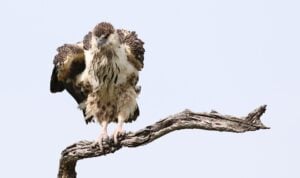
A claim occasionally heard among bird enthusiasts is that bird feathers are so clean that a person could safely eat off of them. While birds spend a significant amount of time grooming themselves, experts say the statement is more myth than scientific fact.
Birds devote a large portion of their day to preening—using their beaks to clean, align, and maintain their feathers. Preening helps remove dirt, debris, and some parasites, while many species also bathe in water or dust to keep their plumage in good condition. Healthy feathers are essential for flight, insulation, and protection from the elements. (Audubon)
The origin of the claim may come from research showing that feathers themselves are remarkably sophisticated structures. Some studies have even found that feather mites and naturally occurring microorganisms can help remove fungi and organic debris from feathers, contributing to their maintenance. (PubMed Central (PMC))
However, scientists caution against confusing well-maintained feathers with sterile feathers.
A scientific review published in the journal Antonie van Leeuwenhoek notes that bird feathers can carry a variety of bacteria, fungi, viruses, and other microorganisms. While many are harmless to humans, feathers can act as surfaces where microbes may be present depending on the bird’s environment and health. (PubMed)
Research from the U.S. Department of Agriculture has also shown that feather follicles themselves are not significant hiding places for bacteria during poultry processing. That finding helped overturn one long-held assumption about how bacteria spread on processed chickens, but it does not mean bird feathers are sterile or safe to eat from. (ARS)
The Bottom Line
Bird feathers are fascinating biological structures that birds work hard to keep clean through constant preening and bathing. However, there is no scientific evidence supporting the idea that bird feathers are among the cleanest surfaces in the world or that they are safe enough to eat from without concern.
Instead, experts generally recommend treating feathers like any natural object found outdoors: admire them, wash your hands after handling them, and avoid assuming they are free of microorganisms.
Sources
- U.S. Department of Agriculture (USDA) Agricultural Research Service – Chicken Feather Follicles Don’t Harbor Bacteria (explains what researchers actually found about feathers and bacteria during poultry processing). (ARS)
- PubMed / Antonie van Leeuwenhoek – Bird feathers as potential sources of pathogenic microorganisms: a new look at old diseases (peer-reviewed review examining bacteria, fungi, viruses, and other microorganisms associated with bird feathers). (PubMed)
