
This past Sunday marked the end of the 2026 FIFA World Cup as Spain defeated Argentina 1-0, earning their second World Cup win. The 2026 World Cup economic impact has become a topic of discussion among economists, tourism experts, and sports business analysts.
According to AP News, the World Cup final attracted a large television audience in the United States, while increased fan engagement and consumer spending highlighted the tournament’s broader economic impact.
The tournament reached audiences around the world, highlighting the global appeal of international soccer.
Even if the matches have ended, their economic effects last. Interest in World Cup merchandise remained strong throughout the tournament, with consumers continuing to purchase jerseys and other sporting goods. In addition, many companies used marketing campaigns tied to World Cup interest during the tournament.
Championship Merchandise Drives Retail Sales
Spain’s victory and Argentina’s appearance in the final helped generate strong interest in World Cup merchandise during the tournament. Fans purchased a wide variety of official World Cup merchandise during the tournament. Retailers sold a variety of World Cup merchandise throughout the tournament.
Championship jerseys were among the most popular World Cup merchandise during the tournament. Hats, scarves, and national flags were also popular World Cup souvenirs. Collectible items such as coins, sports cards, and program guides were also available to fans and collectors.
FIFA and licensed retailers generated revenue through official merchandise sales. As an example, FIFA generates income through the conclusion of licensing agreements with companies involved in the production and sale of official products for the World Cup. FIFA also sells merchandise through licensed retailers and official retail channels. In addition, these authorized products can be bought from different retail shops and online websites.
Official World Cup merchandise was available through online retailers following the tournament. Merchandise sales formed one part of the tournament’s broader economic activity.
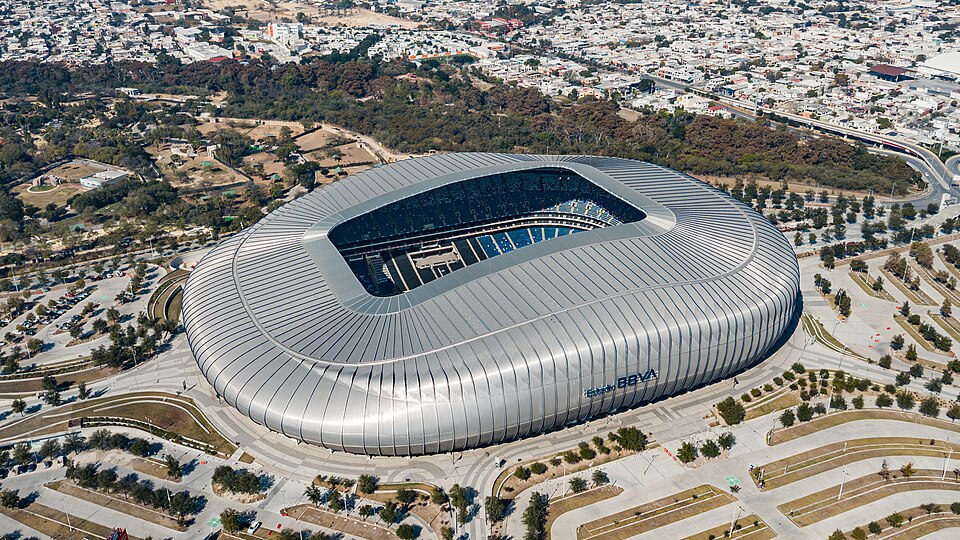
https://creativecommons.org/licenses/by-sa/3.0/de/deed.en
Tourism and Hospitality Continue to Benefit
The tournament attracted large numbers of visitors to host cities during the competition.
Hotels in many host cities prepared for increased visitor demand during the tournament. Restaurants and entertainment venues were among the businesses expected to benefit from tournament visitors.
Air travel associated with the tournament increased as fans traveled to attend matches. Host cities also promoted local attractions to tournament visitors.
Winners Across Multiple Industries
When it comes to more specifics of the industries that have benefited from the post-World Cup surge, we can start with the aviation and hospitality sectors. Both industries benefited from increased travel associated with the tournament. This increase in travel also supported local restaurants, bars, and independent event venues. Sponsors, advertisers, and television networks also received increased international exposure during the tournament. Sports merchandise companies such as Adidas and Fanatics benefited from demand for official World Cup merchandise during the tournament.
Long-Term Economic Impact
The 2026 FIFA World Cup’s effects on the finances of the future are dependent on host cities’ capability to change short-term tournament-related spending into long-term economic growth. Host cities may continue to benefit from investments made in stadium districts and surrounding infrastructure. Beyond the competition itself, the World Cup provided host cities with international visibility and opportunities to promote future economic development. Therefore, the 2026 World Cup economic impact could continue to shape financial outcomes for years to come.
Looking Ahead
The tournament’s last match has already taken place, but the effects of the 2026 FIFA World Cup on business are still expected to unfold later. Merchants will continue to monitor consumers’ demand for merchandise for the championship as interest in other competitions arises. Likewise, the participating cities have the opportunity to conduct new tourism initiatives and sporting events owing to the recognition received during the tournament.
The World Cup also provided companies with insights into customer behavior, travel trends, and sports marketing. Companies that managed to react to tournament-related demand may draw upon this experience in future international sporting events.
The tournament may be over, but its economic consequences are still being evaluated. Additional data will continue emerging regarding investment, hospitality performance, retail sales, and tourism activity. There are multiple ways in which the 2026 FIFA World Cup has illustrated the impact of such events on the economy, starting from spending by visitors to increased publicity of brands and ongoing interest from consumers.
Sources:
North Carolina State University. The Economics of the FIFA World Cup: Who Really Profits?
Morgan Stanley – Media and Beverages Score at World Cup
EMARKETER – Prime Day, World Cup Fuel June Retail Sales
FIFA – Spain’s recipe for success
Editor’s Disclaimer: This article is an independent analysis of the potential economic effects of the 2026 FIFA World Cup based on publicly available information from reputable organizations, news outlets, and industry reports. Economic impacts may continue to evolve as additional data becomes available, and some long-term outcomes discussed are forward-looking in nature. Readers are encouraged to consult the original sources listed below for additional context and the latest information.
