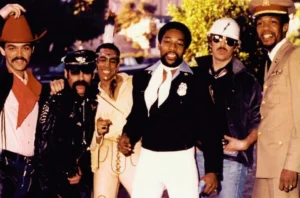
In addition to their continued presence through numerous Halloween costumes made in the likeness of the Village People, they have had a significant impact on the careers of many comedians, television shows, advertisements, and movies. These works refer to or parody their well-known characters.
In contrast to various musical trends that fade away as fashions change, the Village People’s image has become a part of popular culture itself. Even those who do not know the entire repertoire of the Village People’s music can often look at the costume. They can still recognize who the performer is.
Representation and LGBTQ+ Cultural History
Beyond their commercial achievements, the Village People also occupy an important place in discussions surrounding LGBTQ+ history and cultural visibility.
During a time when certain LGBTQ+ communities were becoming more visible in many artistic and cultural areas, particularly in disco, this group established itself through artistic imagery that referenced parts of gay culture. Moreover, they presented those in a super-energized and entertaining way. This made them digestible to a large audience worldwide.
Eventually, the Village People became known for their themes of inclusion, celebration, and self-expression within the LGBTQ+ community. While symbolic interpretations of the group have changed through the years, the Village People represent an important part of LGBTQ+ history. They introduced aspects of an LGBTQ+ culture to many people who may have had no exposure to these cultures before. Furthermore, they did this through music that represented optimism and communal celebration as opposed to division.
The group’s popularity transcended beyond just one community at the time. Their music appealed to families, schools (children), sports organizations (teams and leagues), civic groups, and audiences from all types of backgrounds. By encouraging everyone to have fun and take part, this broad acceptance solidified the Village People as entertainers. Consequently, it created a reputation for being able to unite people through a common experience.
Building a Brand Beyond the Music
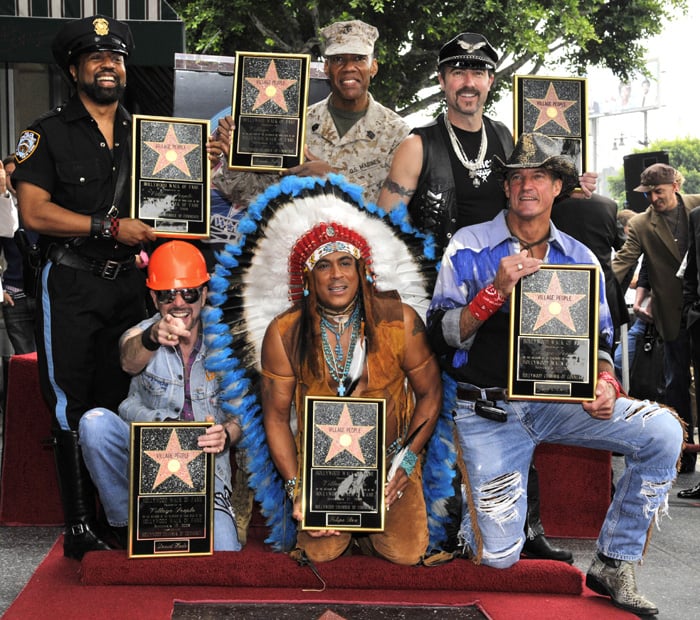
https://commons.wikimedia.org/wiki/File:VPStarfront.jpg https://commons.wikimedia.org/wiki/Commons:Licensing#Material_in_the_public_domain
Their influence can also be measured through the countless performers who adopted theatrical costumes, distinctive stage personas, and carefully crafted visual identities in later decades. While the Village People certainly did not invent theatrical performance, they demonstrated how a strong visual concept could become inseparable from a musical act’s identity.
Today’s popular music tends to emphasize branding as much as creative expression. For example, many performers have developed unique fashion styles, images, and visual aesthetics that will be immediately associated with them. This helps differentiate themselves from their competitors in an increasingly competitive environment. The Village People are one group that demonstrated how effective branding could be many years before the emergence of social networks and online marketing.
Their focus on audience involvement predicted current trends, as well. As concertgoers want to be immersed in an experience rather than be a spectator at a performance, Village People’s songs all urged fans to sing along. They encouraged audiences to dance and to celebrate together as a group. As a result, spectators were turned into participants.
Why the Music Still Resonates Today
The ability of the group as a whole to create a community of shared experiences would also account for their continued popularity despite several changes in music styles over the past several decades. While the stylistic production of music has constantly evolved and there has been the emergence of different types/genres of music, songs that promote a sense of belonging and encourage celebration still resonate with audiences.
Another example of the Village People’s continued success has to do with how popular culture cycles. Each generation (or multiple generations) tends to look back at previous musical time/era and introduce all-time great songs to younger demographics via newer forms of entertainment. These include movies, television, streaming/playlists, and other forms of digital media (i.e., YouTube, TikTok, etc.). As such, many younger audiences who were born well after the disco era have become aware of the Village People’s catalog through these newer forms of media.
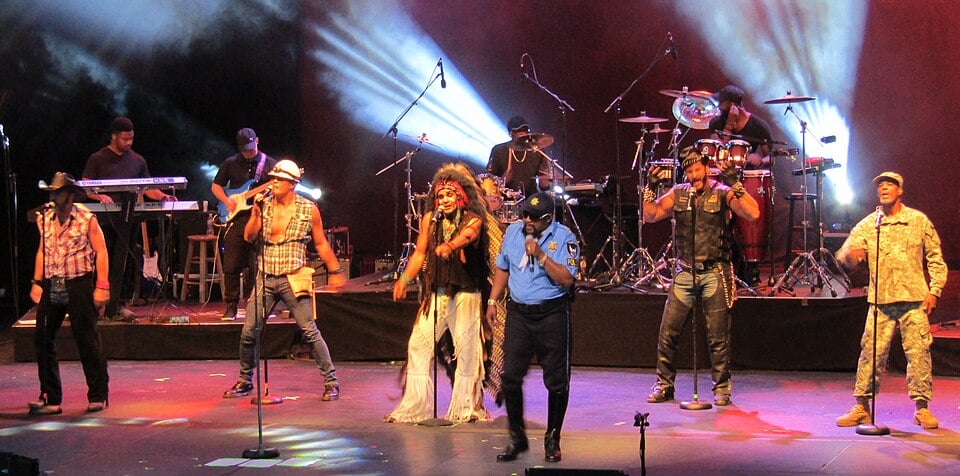
The continued popularity of their music has kept the legacy of this group alive (not just in the past). Songs by this group are used at important moments, community events, and sporting occasions. Thus, all generations share in the same great feeling of energy that brought audiences together almost 50 years ago.
https://creativecommons.org/licenses/by/2.0/
A Legacy That Continues
The recent passing of the group’s lead singer has understandably prompted reflection on both personal memories and the broader legacy of the Village People. Many people continue to show love for the group and what they did in music and pop culture. There are tributes from fans, other musicians, and entertainers.
Some artists leave a legacy in music and create a way for their music to continue long after their death through the traditions that surround their music, such as with the Village People, whose music has become part of public celebrations all over the world. Therefore, their impact goes far beyond record sales or chart rankings.
More Than a Musical Legacy
The Village People’s story shows us that cultural significance can result from more than just commercial success; it can also result from how long something endures. Within the world of entertainment, songs that are still relevant across many generations of people, performances that can cause many people to come together to participate, and images that are easily recognized are all examples of major accomplishments.
The Village People have been one of the best-known representations of the disco age, and are still a strong symbol of the future success of popular culture, after almost fifty years as international superstars. Additionally, their music continues to motivate fans to dance, sing, and join together in the feeling of community and unity. In turn, this shows us that having fun together can be a part of our continuing legacy.
While fans reflect on their dearly departed singer, they will also be honoring an era in music. The musical impact of the Village People continues to be felt around the world today, regardless of age, nationality, or decade. The Village People had an amazing experience and highlighted a unique fact regarding music: musical styles are constantly changing. However, very few cultural icons have the rare ability to survive beyond the time they gained their initial fame.
Sources:
Library of Congress. – National Recording Registry: It’s Victor Willis, Mr. “Y.M.C.A.”
Recording Academy (GRAMMY). GRAMMY HALL OF FAME AWARD.
Village People Official Website
Library of Congress. Happy Pride! How “Y.M.C.A.” Became a Gay Anthem!
The Guardian – Victor Willis, frontman of Village People, dies age 74
Editor’s Disclaimer: This article is a feature examining the cultural legacy and historical influence of the Village People. It is intended to provide context about the group’s impact on music, entertainment, and popular culture based on publicly available historical information and reputable sources. References to LGBTQ+ history are included for historical and cultural context and are not intended to advocate for or endorse any particular social or political viewpoint. Any discussion of recent events involving members of the group is based on information available at the time of publication.
